
Battery & Electrical System Upgrades
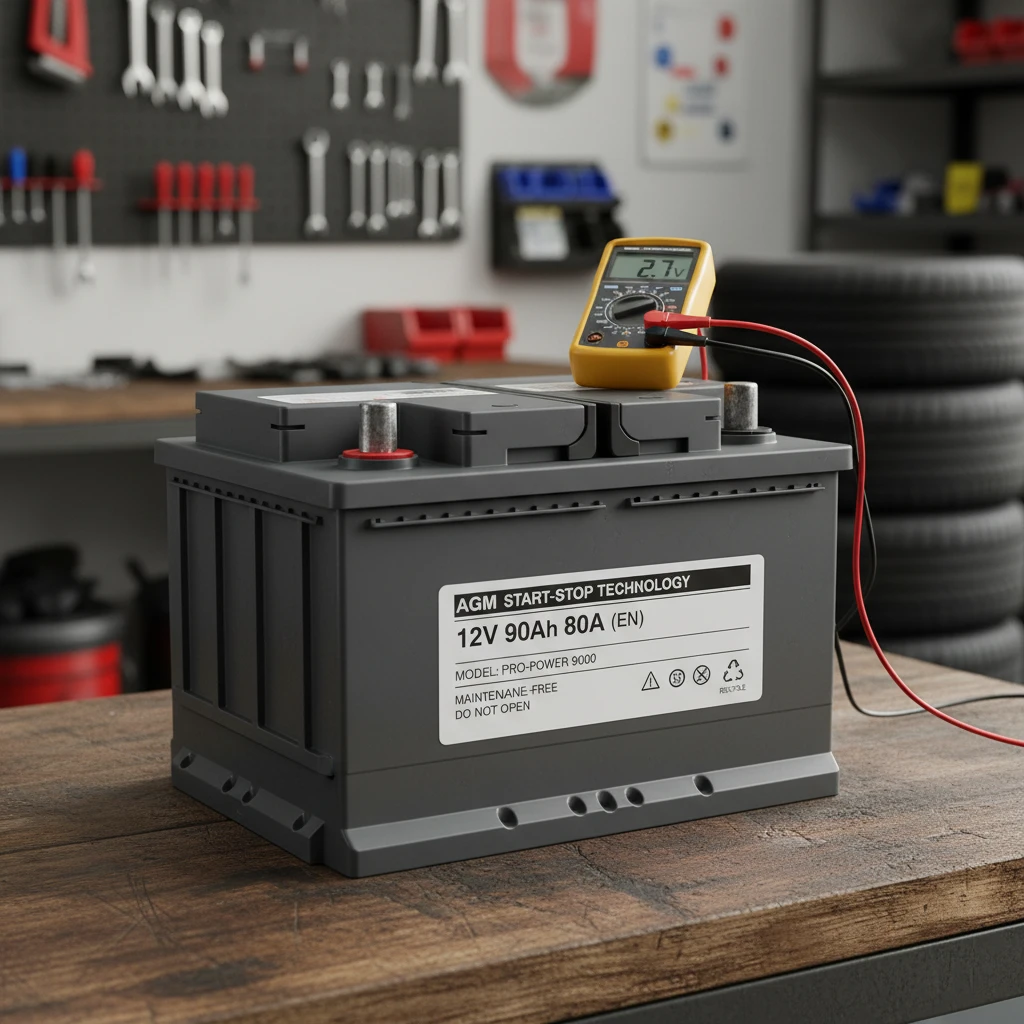
The best battery for a Ford Ranger in NZ depends heavily on your specific model and electrical load. For PXII, PXIII, and Next-Gen Rangers with stop-start technology, a high-performance AGM (Absorbent Glass Mat) battery with a minimum of 800 CCA is required to handle the smart alternator system. For older non-stop-start models, a premium Heavy Duty Calcium battery provides optimal durability.
Choosing the right power source is critical for maintaining the reliability of your utility vehicle, especially given New Zealand’s diverse and often harsh driving conditions. From the cold mornings of the South Island to the humid summers of the North, your Ford Ranger demands a robust electrical foundation. This guide serves as the definitive technical resource for selecting, upgrading, and maintaining your Ranger’s electrical system.
What is the Best Battery for Ford Ranger NZ?
When searching for the best battery for Ford Ranger NZ, it is not merely a matter of finding a unit that fits the tray. The Ford Ranger, particularly from the PX series onwards, utilizes sophisticated electronics that demand specific voltage stability and cycling capabilities. Installing an incorrect battery can lead to premature failure, electrical glitches, and even damage to the vehicle’s ECU.
Understanding CCA and Reserve Capacity
Two primary metrics dictate battery performance: Cold Cranking Amps (CCA) and Reserve Capacity (RC). In New Zealand, where winter temperatures can drop below freezing, a high CCA rating is non-negotiable. The 3.2L and 2.0L Bi-Turbo diesel engines require significant initial current to crank over, especially when the oil is thick from cold.
- CCA (Cold Cranking Amps): Look for a battery delivering at least 750-850 CCA. This ensures reliable starting power even in alpine environments.
- RC (Reserve Capacity): This measures how long the battery can run essential accessories if the alternator fails. A higher RC is crucial for Rangers equipped with winches, light bars, or aftermarket sound systems.
AGM vs. Calcium vs. EFB
The market offers three main technologies, but only specific types suit the modern Ranger:
- AGM (Absorbent Glass Mat): This is the gold standard for modern Rangers (PX2 onwards). They are spill-proof, handle deep discharges better than standard lead-acid batteries, and charge faster. They are mandatory for vehicles with high electrical loads.
- EFB (Enhanced Flooded Battery): Often the factory standard for stop-start vehicles. They are an improvement over standard wet cells but generally do not offer the same longevity or cycle life as AGM in high-stress off-road applications.
- Calcium/Calcium: Suitable only for older PX1 models or base specifications without smart alternators. They are cost-effective but will fail rapidly if subjected to the variable voltage charging of a smart alternator system.
Stop-Start Battery Requirements
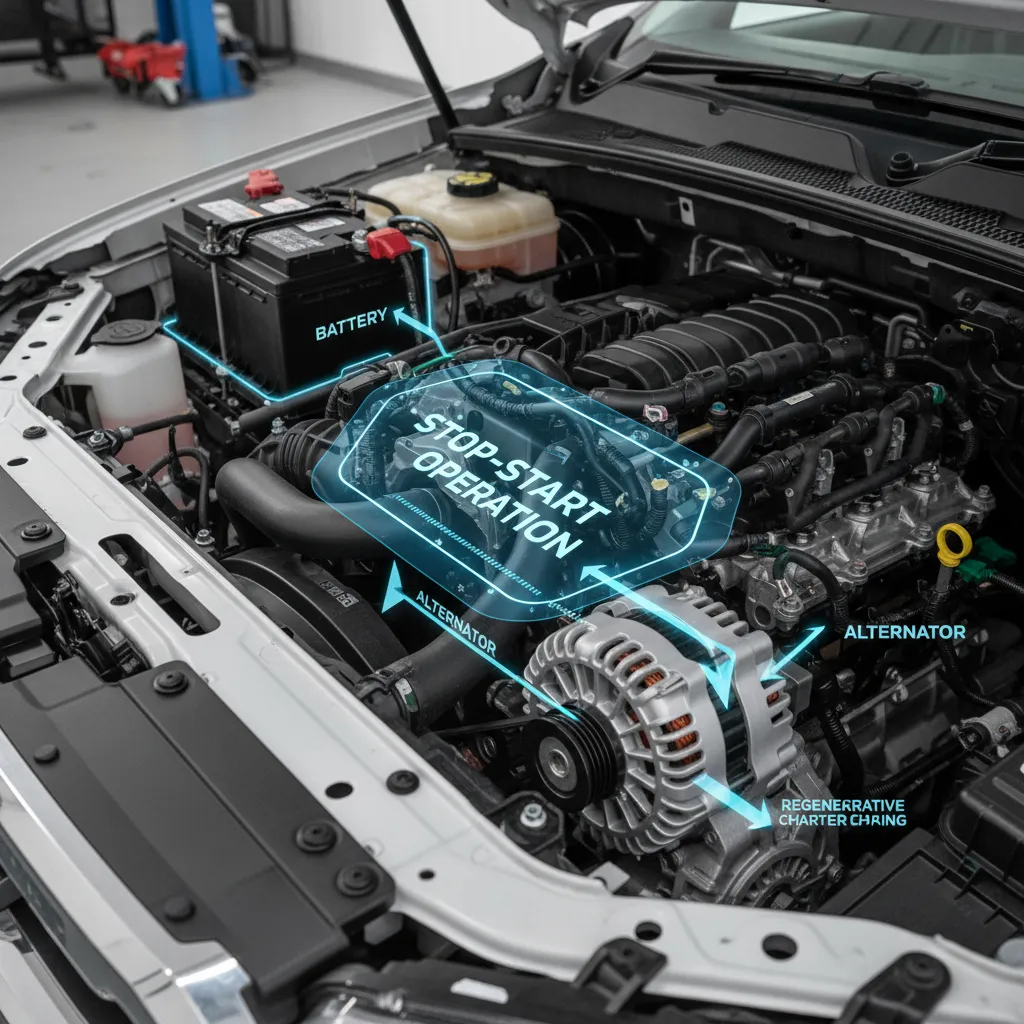
Modern Ford Rangers feature Auto Stop-Start technology designed to reduce emissions and fuel consumption. This system places an immense strain on the battery. Every time the vehicle stops at a traffic light, the engine cuts out, and the battery must power all accessories (AC, radio, lights) while retaining enough energy to restart the engine instantly when the brake is released.
Why Standard Batteries Fail
You cannot install a standard lead-acid battery in a Ranger equipped with Stop-Start. A standard battery is designed to provide a large burst of energy for starting and then be slowly recharged by the alternator. In a Stop-Start system, the battery is in a constant state of discharge and recharge.
A standard battery installed in this environment will suffer from:
- Plate Sulphation: Rapid degradation of the internal lead plates.
- Acid Stratification: Uneven acid concentration leading to loss of capacity.
- Premature Failure: Often failing within 3-6 months.
The Necessity of AGM or EFB
For any Ranger with this feature, you must replace the battery with an OEM-spec AGM or EFB unit. In the New Zealand market, upgrading to a high-quality AGM is often preferred over EFB for those who use their Rangers for towing or off-roading, as AGMs offer better vibration resistance—a critical factor when driving on corrugated metal roads.
Relocating Batteries for Dual Setups
For commercial operators and overlanding enthusiasts in NZ, a single battery often isn’t enough. Running fridges, inverters, and camp lighting requires a dedicated auxiliary battery. However, the cramped engine bay of the modern Ranger presents challenges for dual battery installation.
Under-Bonnet vs. Tray Mounting
Under-Bonnet: While popular, mounting a second battery under the bonnet of a Ranger is becoming increasingly difficult due to space constraints. Furthermore, modern engines run hot, and excessive heat is the enemy of battery longevity. If you must mount under the bonnet, ensure you use a specialized battery tray designed for the Ranger’s specific mounting points and a heat-shielded battery.
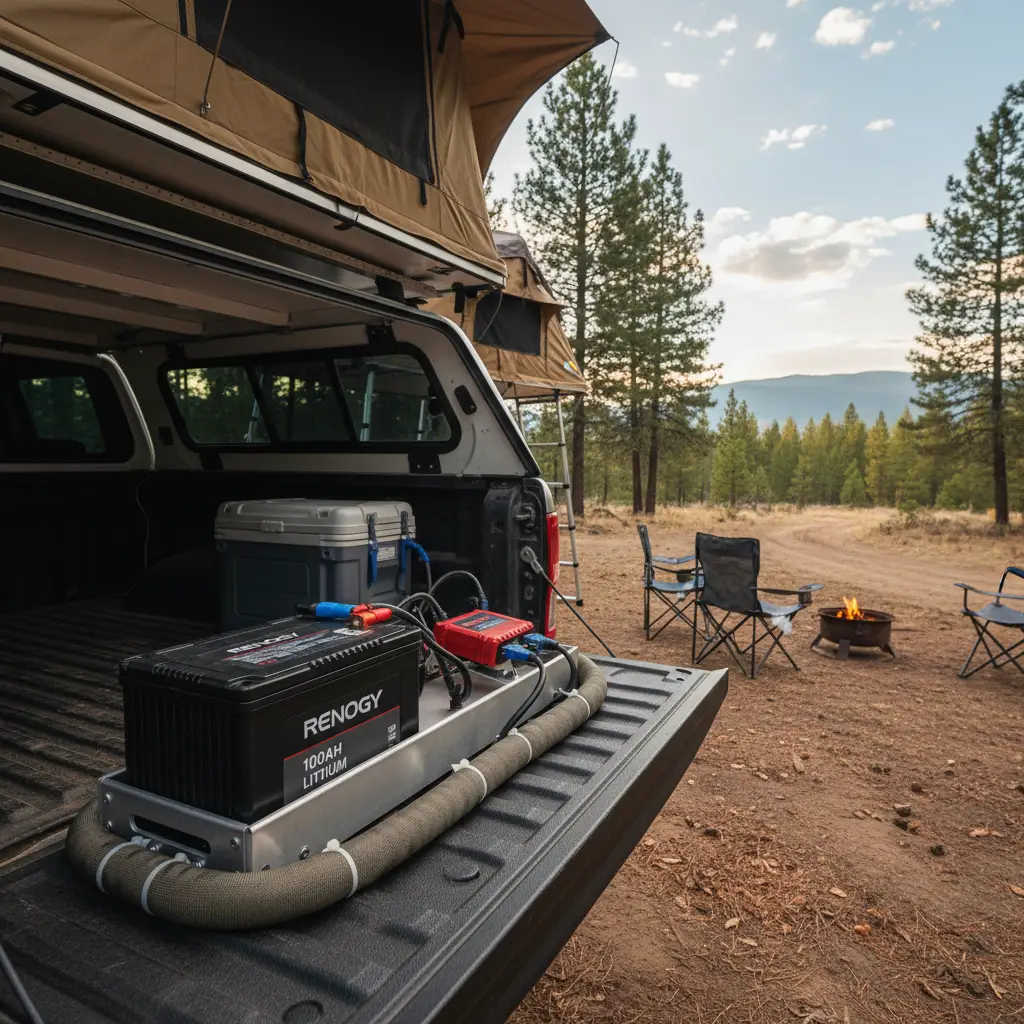
Tray/Tub Mounting: This is the superior option for longevity. Relocating the auxiliary battery to the tray, canopy, or under-tray toolboxes keeps it away from engine heat. It allows for larger capacity batteries (100Ah+) which simply won’t fit in the engine bay.
The Role of DC-DC Chargers
Because the Ford Ranger uses a “Smart Alternator” (variable voltage alternator), you cannot simply use a cheap solenoid isolator to charge a second battery. The smart alternator frequently drops voltage below 12.7V to save fuel, which will fail to charge an auxiliary battery via a solenoid.
You must install a DC-DC charger. This device takes the variable input from the alternator and boosts it to a stable charging profile suitable for your auxiliary battery (whether it is AGM or Lithium). A quality 25A or 40A DC-DC charger is essential for any dual battery setup in a Ranger.
Battery Monitoring System (BMS) Resets
One of the most overlooked aspects of changing a battery in a Ford Ranger is the Battery Monitoring System (BMS) reset. This is a critical step that, if ignored, can significantly shorten the life of your new battery.
What is the BMS?
The BMS is a sensor located on the negative battery terminal. It monitors the current flowing in and out of the battery, as well as the battery’s temperature and state of charge. It communicates this data to the ECU to control the alternator’s charging output.
Why Reset is Mandatory
Over time, as a battery ages, the BMS adjusts the charging strategy to compensate for the battery’s degradation. If you install a new battery but do not reset the BMS, the vehicle “thinks” the old, degraded battery is still installed. Consequently, the alternator may overcharge or undercharge the new battery, leading to rapid failure.
How to Reset the BMS on Ford Ranger
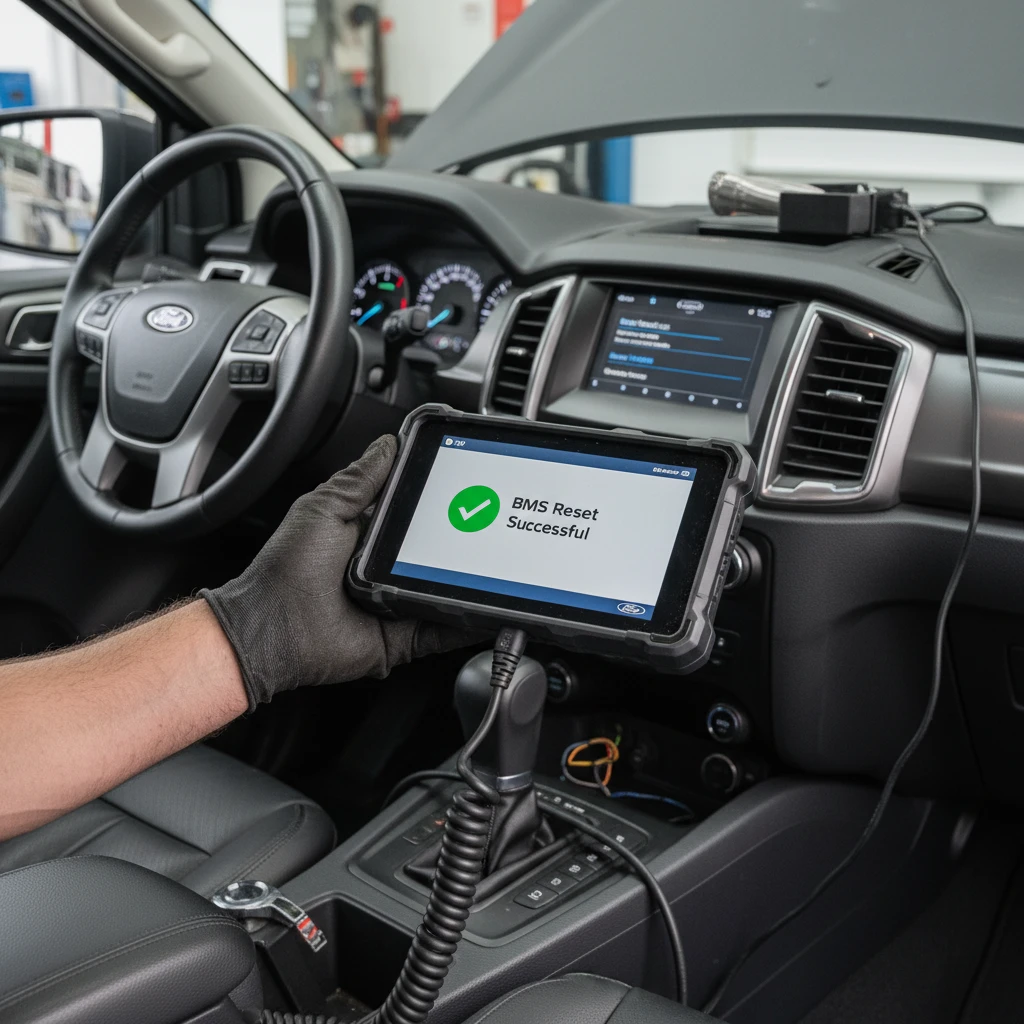
Ideally, this is done via a diagnostic scan tool at a dealership or battery specialist. However, there is a manual procedure known to work on many PXII and PXIII models:
- Switch the ignition to the “ON” position (do not start the engine).
- Wait for the battery light to appear on the dashboard.
- Press the rear fog light button 5 times.
- Press the hazard light button 3 times.
- Watch for the battery icon on the dashboard to flash 3 times.
If the battery light flashes, the BMS has been reset. If not, a diagnostic tool is required. Always verify this procedure in your owner’s manual or consult a professional, as firmware versions vary.
Maintenance Tips for New Zealand Conditions
New Zealand’s environment poses unique challenges for automotive electrical systems. Salty air in coastal regions and heavy vibration from unsealed roads can accelerate corrosion and physical damage.
Combating Corrosion
Regularly inspect battery terminals for white or blue powder (corrosion). Clean this off using a mixture of baking soda and hot water, then protect the terminals with a dielectric grease or terminal spray. Ensure the hold-down clamp is tight; a loose battery vibrates, which can crack the internal casing or plates.
Regular Charging
If your Ranger is used primarily for short trips (under 20 minutes), the battery may never reach full charge. This is a common cause of premature failure in city-driven utes. We recommend using a smart maintenance charger once a month to top up the battery and run a desulfation cycle. This simple habit can extend your battery life by years.
People Also Ask
How long should a Ford Ranger battery last?
In typical New Zealand conditions, a high-quality OEM or aftermarket battery in a Ford Ranger should last between 3 to 5 years. However, frequent short trips, heavy accessory use without the engine running, or failure to reset the BMS can reduce this lifespan to less than 2 years.
Can I put a bigger battery in my Ford Ranger?
Yes, you can often fit a physically larger battery or one with higher capacity, provided it fits within the battery tray dimensions and the hold-down clamp secures it properly. Upgrading to a higher CCA rating is recommended, but ensure the battery technology (AGM/EFB) matches the vehicle’s charging system requirements.
Do I need to code the battery on a Ford Ranger?
Yes, resetting the Battery Monitoring System (BMS) is essentially “coding” the new battery to the car. While you don’t always need to input the specific serial number like in some European cars, you must reset the system so the alternator knows a new battery has been installed.
What happens if I don’t reset the BMS on my Ranger?
Failure to reset the BMS can result in the alternator treating the new battery as the old, degraded one. This can lead to aggressive charging that overheats the new battery or insufficient charging that leaves you stranded. It also disables the Auto Stop-Start system in many cases.
Is an AGM battery better than EFB for Ford Ranger?
Generally, yes. AGM (Absorbent Glass Mat) batteries offer superior vibration resistance, faster charging capabilities, and better deep-cycle performance compared to EFB (Enhanced Flooded Batteries). For Rangers used for towing, off-roading, or with heavy electrical loads, AGM is the superior choice.
Why does my Ford Ranger battery keep going flat?
If your battery keeps going flat, it could be due to a parasitic draw (an accessory draining power while the car is off), a failing alternator, an old battery that can no longer hold a charge, or a BMS sensor that hasn’t been reset. Short drives that don’t allow the smart alternator to charge the battery fully are also a common culprit.