
Brake Pad & Rotor Replacement Kits
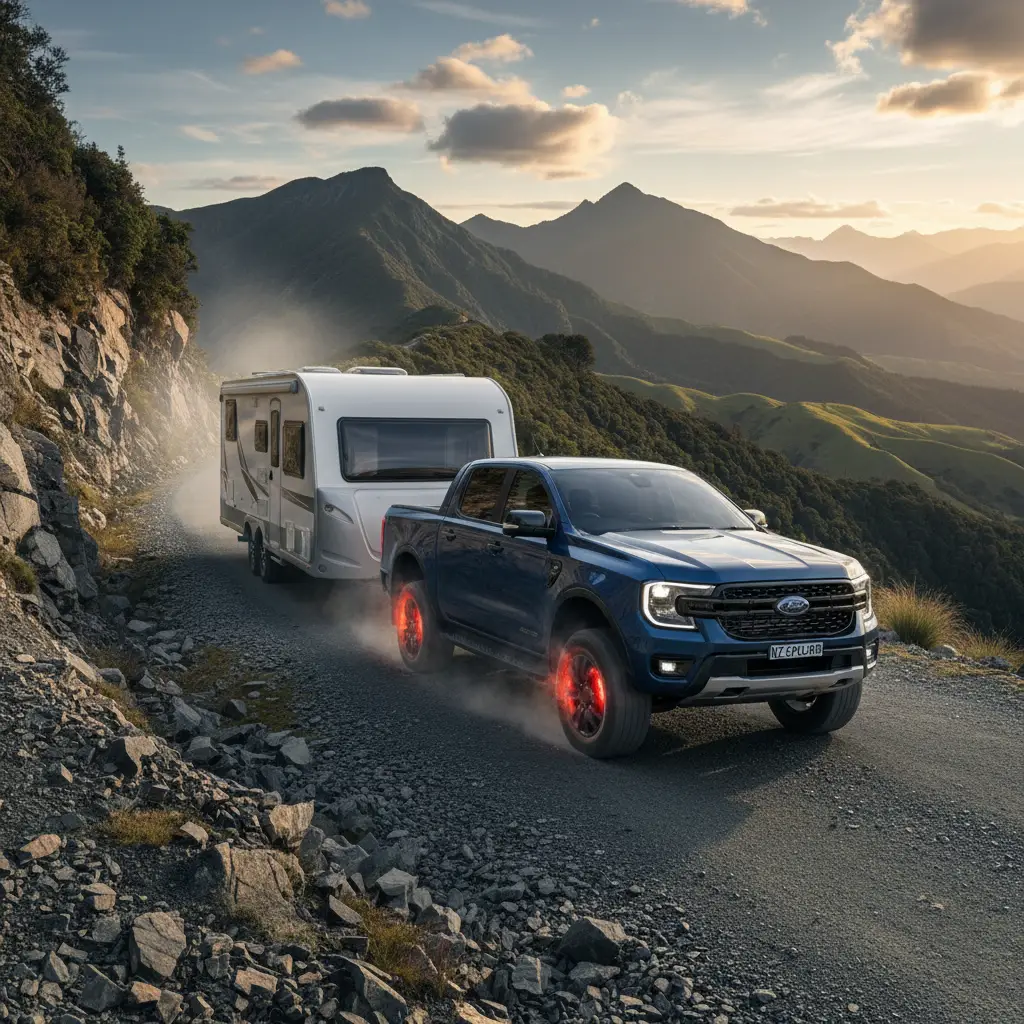
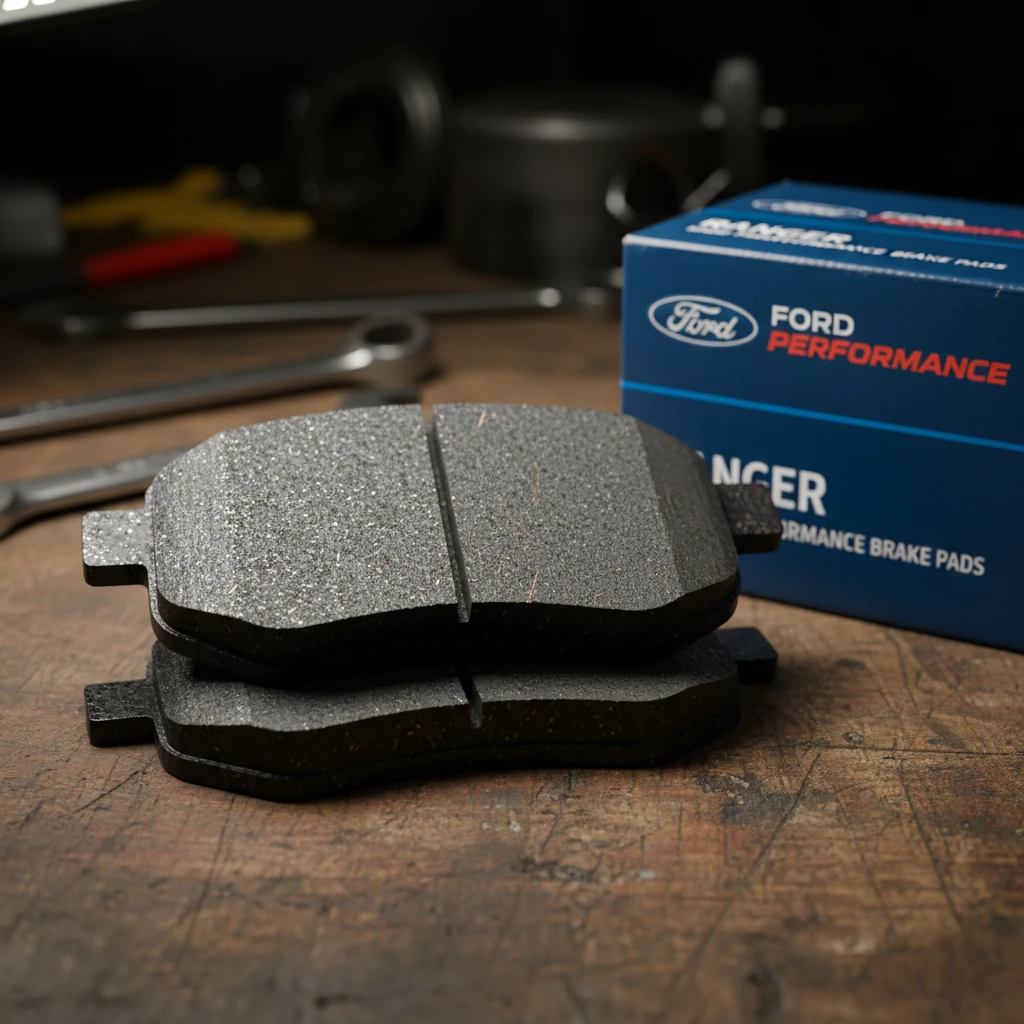
Next-Gen Ranger brake pads sale events offer owners the opportunity to acquire high-performance friction material upgrades at reduced costs. These kits typically replace standard OEM pads with heavy-duty ceramic or semi-metallic compounds designed to increase stopping power, reduce thermal fade during towing, and extend rotor life under harsh New Zealand driving conditions.
For the Ford Ranger enthusiast, the braking system is often the first line of defense—and the first point of upgrade. Whether you are navigating the steep descents of the Southern Alps, towing a heavy boat to the coast, or pushing a Next-Gen Ranger Raptor through technical off-road terrain, stock brakes often reach their thermal limits quickly. This guide serves as your technical authority on navigating a Next-Gen Ranger brake pads sale, selecting the correct rotor upgrades, and understanding the mechanics of heavy-duty stopping power.
Why OEM Brakes Fall Short for NZ Drivers
The Next-Gen Ford Ranger is a marvel of engineering, boasting impressive torque figures and towing capacities up to 3,500kg. However, factory braking systems are designed for the “average” user—a daily commuter carrying light loads on flat tarmac. They are engineered for cost-effectiveness, silence, and low dust, rather than high-thermal endurance.
When you introduce the variables common to the New Zealand market—heavy towing, larger all-terrain tires, bull bars, and winch weight—the stock friction coefficient often becomes insufficient. During a Next-Gen Ranger brake pads sale, discerning owners look for components that correct these factory compromises.
The Physics of Brake Fade
Standard organic brake pads function well up to roughly 300°C. Beyond this, the binding resins in the pad material begin to vaporize, creating a layer of gas between the pad and the rotor. This is known as “green fade” or out-gassing. The result is a hard pedal but no stopping power. Upgrading to performance pads raises this thermal ceiling significantly, often exceeding 650°C, ensuring safety during prolonged braking events.
Heavy Duty Pads for Towing: Compound Science
When browsing a Next-Gen Ranger brake pads sale, you will encounter various friction materials. Understanding the chemistry behind these pads is crucial for selecting the right kit for your specific application, particularly if your Ranger serves as a tow rig.
Ceramic vs. Semi-Metallic
For the Next-Gen Ranger, the choice usually narrows down to two primary categories:
- Semi-Metallic Pads: composed of steel wire, copper, iron powder, and graphite mixed with friction modifiers. These are the gold standard for heavy towing and off-roading. They have a higher friction coefficient and dissipate heat rapidly. However, they can be noisier and produce more dust than stock pads.
- Ceramic Pads: composed of dense ceramic fibers and non-ferrous filler materials. While they are quieter and cleaner, traditional ceramic pads sometimes lack the initial “bite” required for stopping a 3-ton vehicle rapidly. However, modern “4WD-specific” ceramic formulations have bridged this gap, offering excellent cold bite and high-temperature stability.
What is the ideal friction rating for a Ranger?
Look for pads with a “GG” or “HH” friction rating. The first letter indicates the friction coefficient at normal temperatures (around 120°C), and the second letter represents the coefficient at high temperatures (around 315°C). Stock pads are often “FF” or “FE.” moving to a “GG” rated pad ensures that as your brakes get hotter coming down a mountain pass, they maintain or even increase their gripping capability.
Slotted Rotor Upgrades: Managing Heat
Pads are only half the equation. Pairing high-friction pads with standard flat rotors can lead to accelerated wear or warping. A comprehensive Next-Gen Ranger brake pads sale should always include options for rotor upgrades, specifically slotted or drilled-and-slotted variants.
The Function of Slots (T2 and T3 Designs)
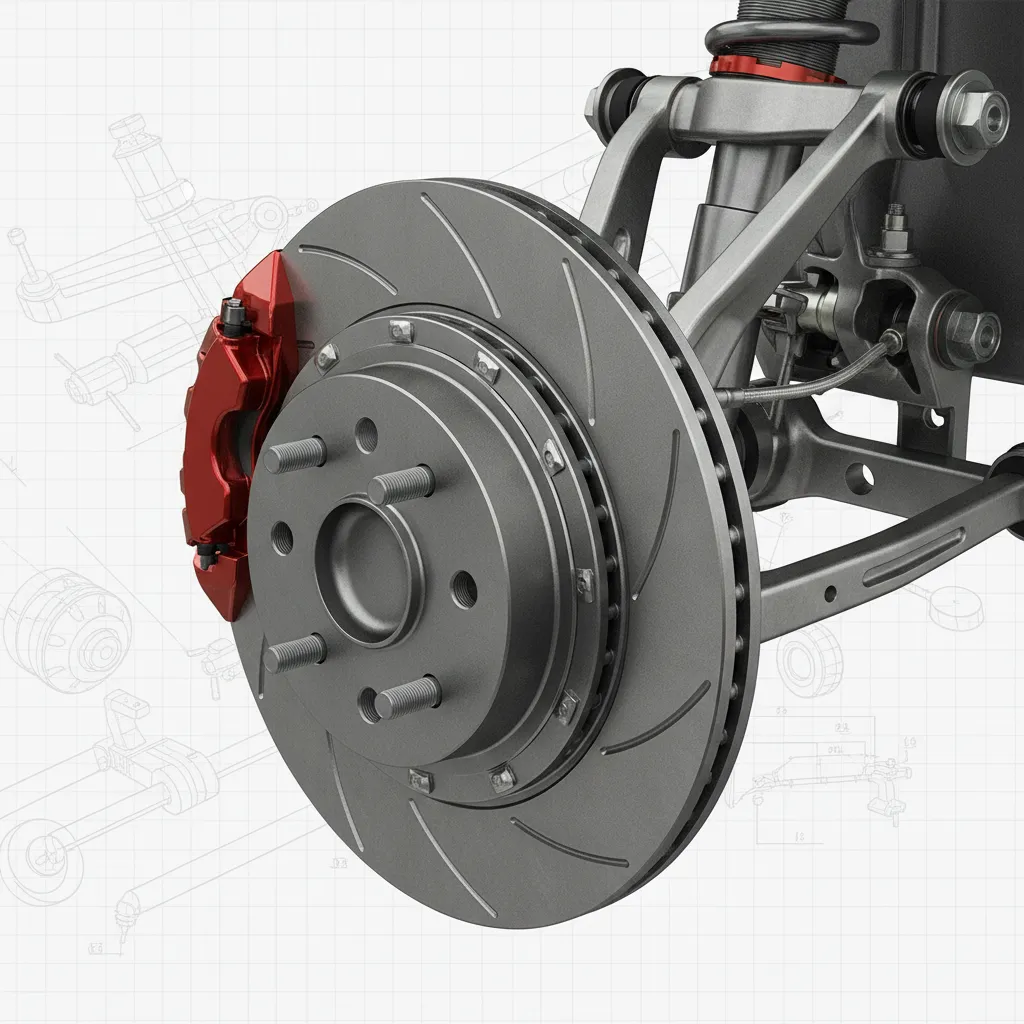
Slotted rotors feature grooves machined into the face of the disc. These slots serve three critical mechanical functions for your Ranger:
- Gas Evacuation: As mentioned regarding brake fade, hot pads release gas. The slots act as escape channels for this gas, allowing the pad to maintain physical contact with the metal rotor face.
- De-glazing: Over time, brake pads can glaze over, becoming shiny and less effective. The sharp edge of the rotor slot constantly wipes the face of the pad clean, ensuring fresh friction material is always available.
- Water and Debris Clearance: For Rangers that see river crossings or mud, slots help channel water and grit away from the friction surface, restoring braking power faster after submersion.
Why avoid Drilled Rotors for Heavy 4WDs?
While cross-drilled rotors look aggressive, they are generally not recommended for heavy 4WDs like the Ranger if the primary use is towing or off-road. The holes can become stress risers, leading to cracking under the extreme thermal shock of stopping a heavy load. For the Next-Gen Ranger, a high-carbon, heat-treated slotted rotor (often referred to as a “kangaroo paw” ventilation design in premium Australian/NZ brands) offers the best structural integrity.
Rear Drum to Disc Conversion Parts
While the Next-Gen Ranger Raptor and high-spec Wildtrak models come equipped with rear disc brakes, many variants in the lineup still utilize rear drum brakes. While drums are durable, they retain heat and lack the modulation of disc brakes. A rear drum-to-disc conversion is a significant modification that transforms the stopping characteristics of the vehicle.
The Conversion Ecosystem
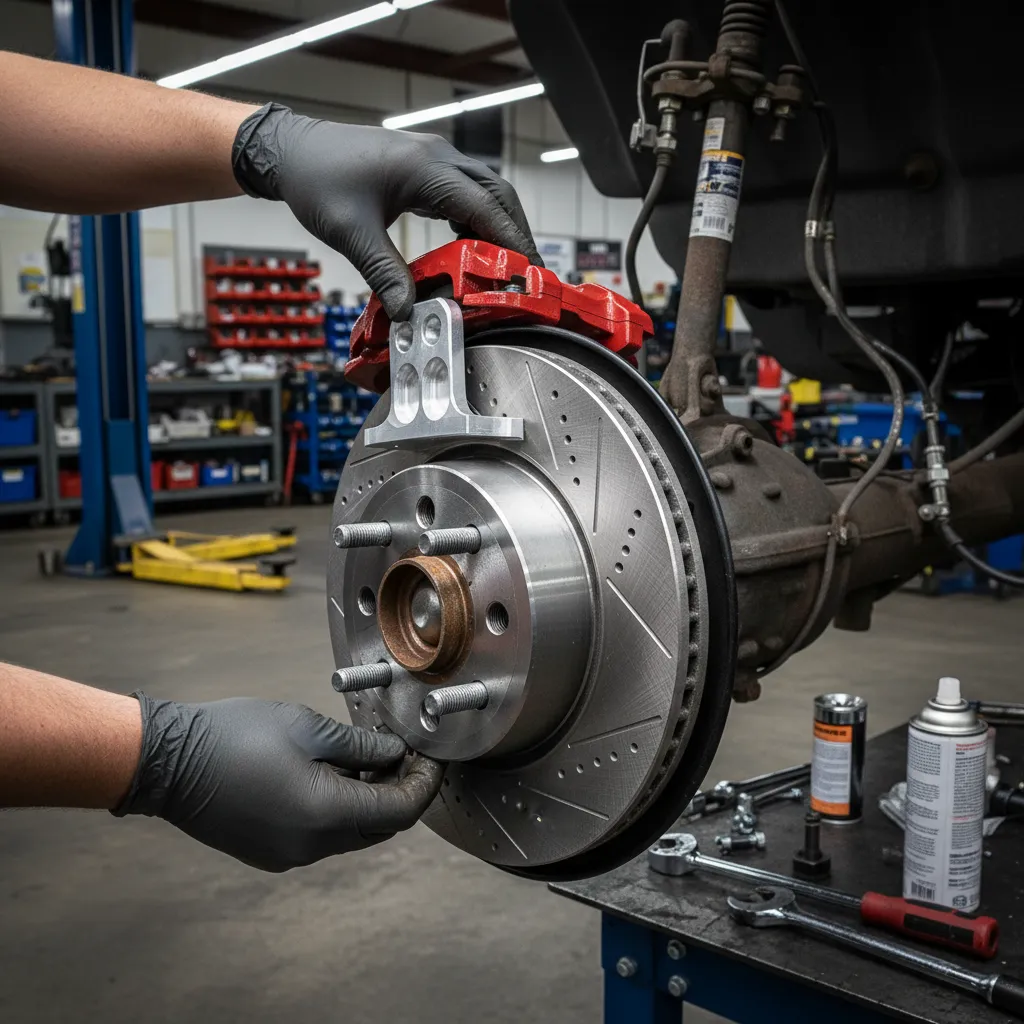
Converting a Ranger from drums to discs involves more than just bolting on a caliper. A proper kit found during a specialized sale will include:
- Caliper Brackets: Heavy-duty steel brackets engineered to mount the new calipers to the existing axle flange.
- Integrated Handbrake Mechanism: This is the most complex part. Since the factory handbrake operates on the drum shoes, the conversion kit must include an internal drum-in-hat rotor design or a caliper-integrated parking brake to remain legal and functional.
- Hydraulic Lines: Braided stainless steel lines are often required to interface the new calipers with the Ranger’s hard lines.
- Certification (LVVTA): In New Zealand, changing from drums to discs is a modification that requires Low Volume Vehicle (LVV) certification. Ensure any kit you purchase comes with the necessary engineering reports to simplify this process.
Performance Gains
The primary benefit of this conversion is not just shorter stopping distances, but consistency. Disc brakes shed heat exponentially faster than drums. When towing a 3-ton caravan down the Kaimai Ranges, the rear drums can become heat-soaked and essentially useless, transferring 100% of the braking load to the front. Rear discs share this thermal load effectively, keeping the entire system within its operating window.
Installation and Bedding-In Procedures
Purchasing the best components from a Next-Gen Ranger brake pads sale is futile if they are installed incorrectly or not bedded in. The “bedding-in” process transfers a layer of friction material from the pad to the rotor, establishing the chemical bond required for maximum stopping power.
Step-by-Step Bedding Procedure
Once your new heavy-duty pads and slotted rotors are installed, follow this general procedure (always check specific manufacturer instructions):
- Warm-up: Perform 10 stops from approximately 50km/h down to 10km/h using moderate pedal pressure. Do not come to a complete stop. This warms up the components.
- The Transfer Phase: Perform 6-8 rapid stops from 80km/h down to 15km/h. Apply hard pressure, just short of engaging the ABS. Do not come to a complete stop. You may smell burning resin—this is normal.
- Cool Down: Drive for at least 10-15 minutes without touching the brake pedal if possible, allowing the system to cool to ambient temperature. This “cures” the pads and sets the transfer layer.
Failure to bed-in brakes can result in judder (often mistaken for warped rotors) and glazed pads that squeal and fail to stop the vehicle effectively.
Frequently Asked Questions
How often should I replace my Next-Gen Ranger brake pads?
On average, Ranger brake pads should be replaced every 30,000 to 50,000 kilometers. However, if you frequently tow heavy loads or drive off-road in NZ conditions, this lifespan can decrease significantly. Regular visual inspections during oil changes are recommended.
Will upgrading my brake pads void my Ford New Zealand warranty?
Generally, upgrading to high-quality aftermarket consumable parts like brake pads and rotors does not void the entire vehicle warranty. However, if the aftermarket part causes a failure in a related component (e.g., a caliper), that specific repair may not be covered. Always choose reputable brands that meet or exceed OEM specifications.
What is the difference between DBA T2 and T3 rotors for Ranger?
DBA T2 rotors utilize a “bi-symmetrical” slot design ideal for street driving and light towing. T3 rotors use a “tri-symmetrical” curve slot design which offers more aggressive bite and better gas ventilation, making them superior for heavy towing, off-roading, and performance applications.
Do I need to upgrade my brake lines when upgrading pads?
While not strictly necessary, upgrading to braided stainless steel brake lines is highly recommended when installing high-performance pads. Rubber factory lines can expand under heavy pedal pressure, leading to a spongy feel. Braided lines improve pedal firmness and modulation.
Why are my new heavy-duty brakes squealing?
High-performance pads, particularly semi-metallics, can be noisier than stock organic pads due to their harder compound. However, squealing can also indicate improper bedding-in, lack of anti-squeal shim grease, or debris trapped between the pad and rotor. If the noise persists after bedding in, check the installation.
Can I install Next-Gen Ranger Raptor brakes on a Wildtrak?
Directly swapping Raptor brakes to a Wildtrak or Sport model is often not a “bolt-on” affair due to differences in suspension geometry, wheel offsets, and caliper mounting points. Aftermarket big brake kits designed specifically for the standard Next-Gen chassis are usually a more cost-effective and geometrically correct solution.