
The most common problems with the Ford Ranger PX3 include 10R80 transmission shuddering and overheating, EGR cooler failures causing coolant loss, and DPF blockages resulting from frequent short-distance driving. Additionally, 2.0L Bi-Turbo models may suffer from AdBlue system faults, while the 3.2L Duratorq engines frequently experience intercooler hose splitting and fuel injector wear.
The Ford Ranger PX3 (MKIII), produced roughly between late 2018 and 2022, represents the pinnacle of the T6 platform’s development before the Next-Gen release. While it is widely regarded as one of the most capable utes on New Zealand roads, it introduced complex powertrains—specifically the 2.0L Bi-Turbo mated to the 10-speed automatic—that brought a new set of technical challenges compared to the older PX2 3.2L models.
As a technical authority on Ford vehicles, we understand that maintaining the reliability of your Ranger requires proactive maintenance and the use of genuine parts. Below, we dissect the most prevalent technical faults, their symptoms, and the professional repair solutions required to keep your rig running optimally.
10R80 Transmission Shudder & Drivetrain Issues
Perhaps the most discussed topic regarding the PX3 is the 10-speed automatic transmission (10R80). While this gearbox offers improved fuel economy and towing capability, it has specific weak points that owners must monitor.
What causes the transmission shudder?
Many owners report a distinct vibration or “shudder” when accelerating at low RPMs or when the transmission is shifting between 3rd and 4th gear. This is often caused by the torque converter clutch (TCC) struggling to lock up smoothly, or degradation of the transmission fluid.
The Fix: The initial solution often involves a PCM (Powertrain Control Module) software update and a transmission adaptive learning reset. However, if the fluid has been burnt or contaminated due to the shudder, a complete flush using genuine Ford Mercon ULV fluid is mandatory. In severe cases, the torque converter itself may require replacement.
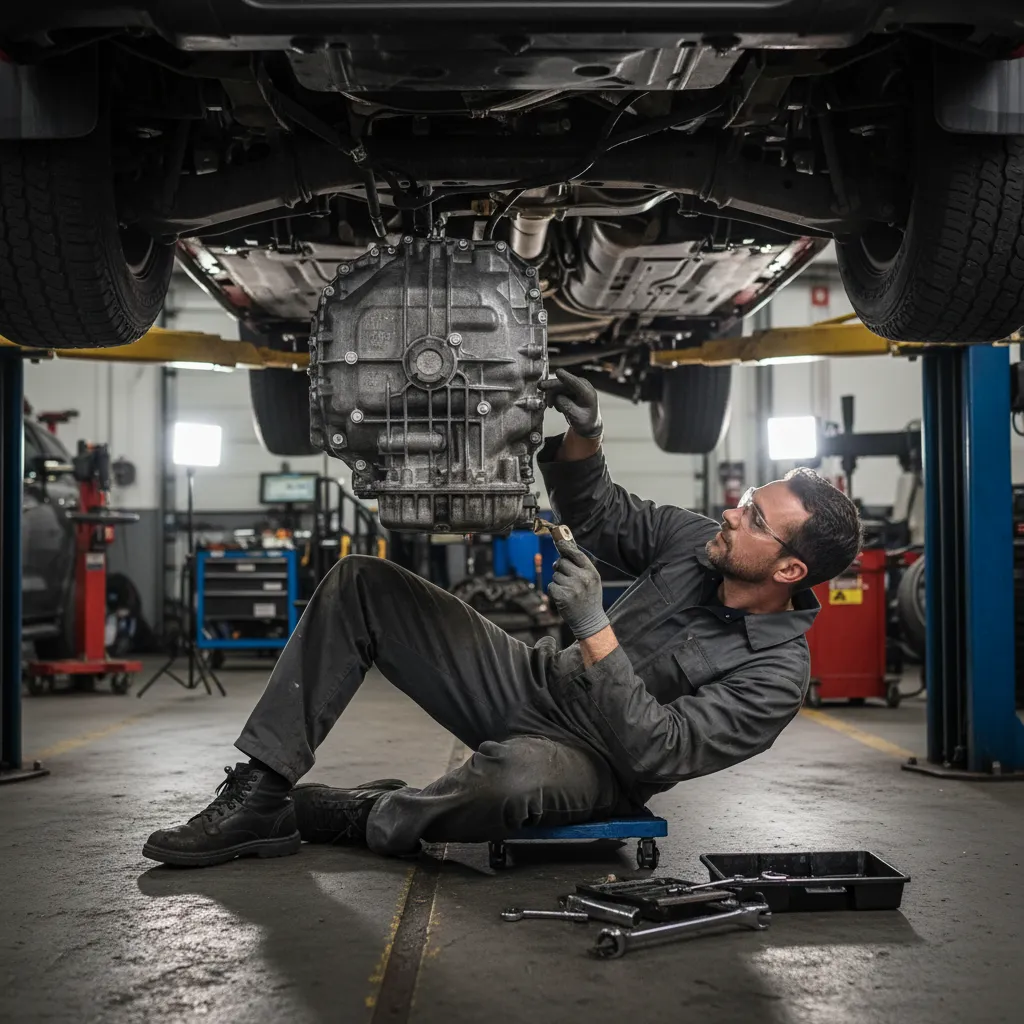
Overheating and the Thermal Bypass Valve
The 10R80 operates at higher temperatures than older 6-speed units to improve efficiency. However, the factory thermal bypass valve can sometimes stick, preventing fluid from cycling through the cooler. This leads to rapid overheating, especially when towing heavy loads up New Zealand’s steep gradients.
Technical Recommendation: We recommend monitoring transmission temperatures via a scan tool or aftermarket gauge if you tow frequently. Installing a pinned thermostat or an aftermarket external transmission cooler can significantly reduce operating temperatures and prolong the life of the clutch packs.
Tailshaft Clunking
A common complaint is a “clunk” sensation when coming to a stop or just as the vehicle takes off. This is rarely a catastrophic failure but rather a lack of lubrication on the slip yoke splines of the driveshaft. Removing the shaft and applying genuine Ford PTFE grease usually rectifies the issue immediately.
Diagnosing ‘Limp Mode’: Intercooler & Turbo Faults
“Limp Mode” is the ECU’s self-preservation strategy, drastically reducing power to prevent catastrophic engine damage. On the Ranger PX3, several specific components are usually the culprits.
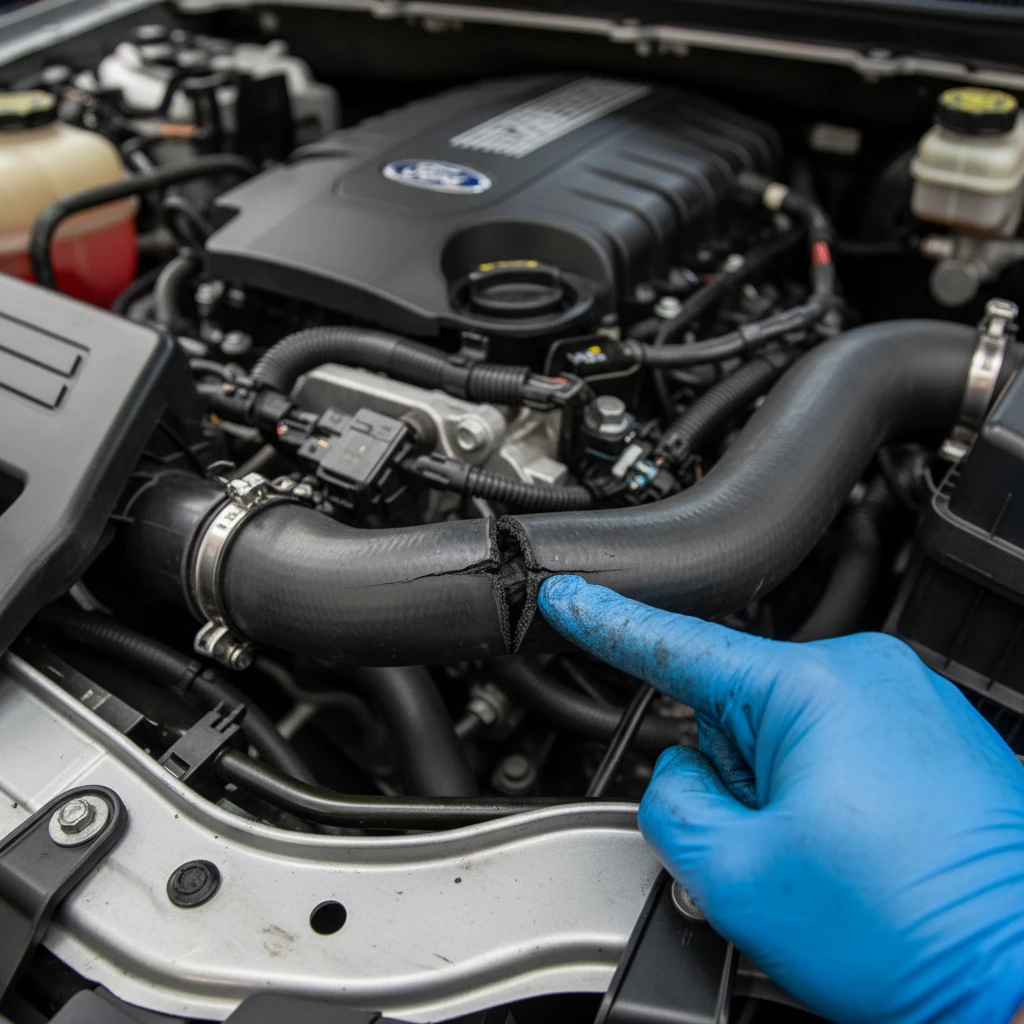
Intercooler Hose Splitting
On the 3.2L Duratorq engines, the rubber intercooler hoses (boost pipes) are prone to degradation over time. Oil mist from the crankcase ventilation weakens the rubber, eventually causing it to split under boost pressure.
Symptoms: You will hear a loud “whooshing” air noise under acceleration, followed by black smoke and an immediate loss of power. The check engine light will illuminate with low boost pressure codes (P0299).
The Fix: Replace the factory rubber hoses with high-quality silicone reinforced hoses or hard pipes. This is a “fix and forget” upgrade that prevents recurrence.
Turbo Actuator Failures
The electronic actuator on the variable geometry turbocharger (VGT) can develop faults in its internal worm gear or electronics. When this fails, the turbo cannot adjust its vanes to generate the required boost, triggering limp mode.
Diagnostic Note: Unlike older vacuum-actuated systems, these are electronic. If you experience intermittent power loss, have the actuator calibration checked before replacing the entire turbo assembly.
Cooling System Vulnerabilities & EGR Coolers
The cooling system on the PX3 is generally robust, but the EGR (Exhaust Gas Recirculation) cooler presents a specific failure point that can be difficult to diagnose.
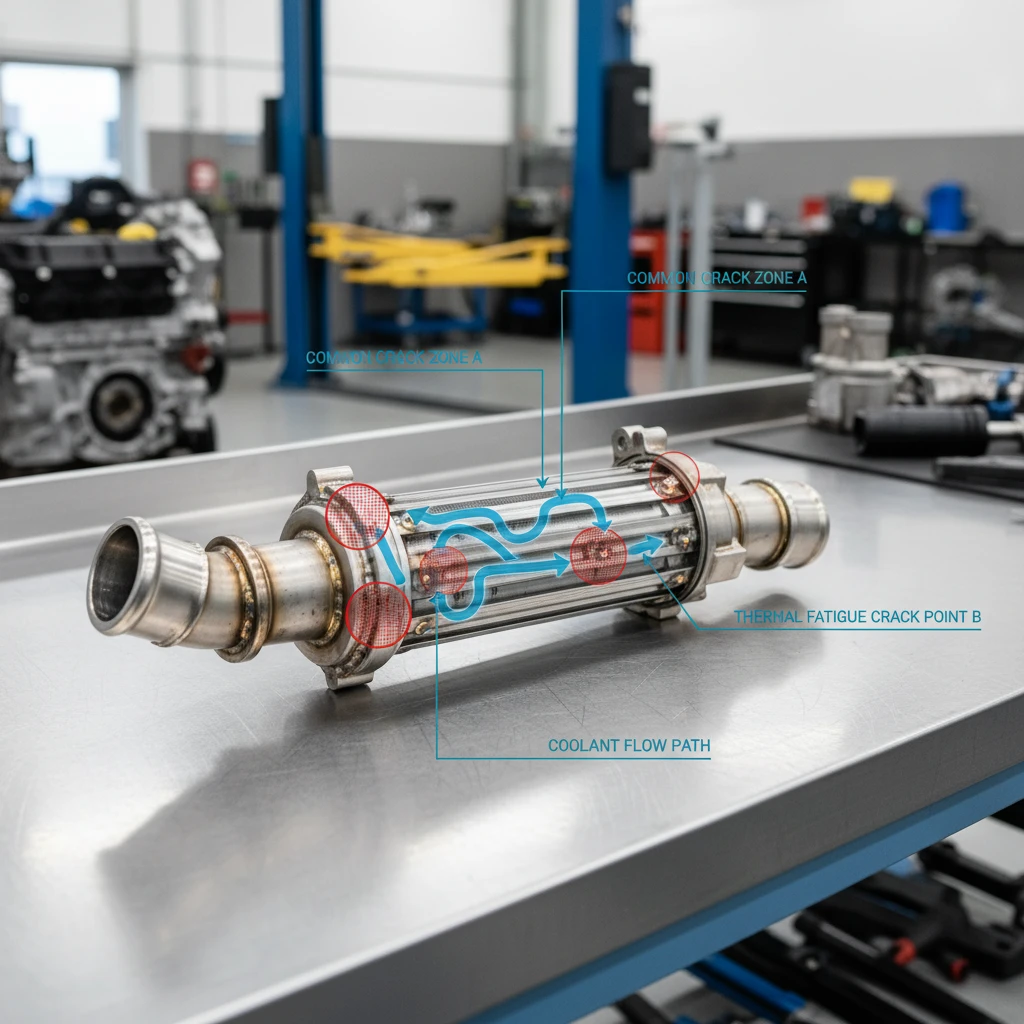
Internal EGR Cooler Leaks
The EGR cooler uses engine coolant to lower the temperature of exhaust gases before they are re-burned. A common failure mode involves the internal core cracking or corroding, allowing coolant to leak into the exhaust system.
Why is this dangerous? Because the leak is internal, you won’t see puddles on the ground. You will simply notice the coolant reservoir level dropping. If ignored, the coolant enters the combustion chamber, which can cause hydraulic lock or damage the DPF filter downstream.
The Fix: If you are losing coolant with no visible external leaks, pressure test the EGR cooler immediately. Replacement with a genuine Ford updated part is the only reliable solution.
DPF Saturation and AdBlue System Failures
Modern emissions standards require complex after-treatment systems. The Diesel Particulate Filter (DPF) and the AdBlue (SCR) system on the 2.0L Bi-Turbo are frequent sources of frustration for owners who primarily drive in the city.
DPF Blockages
The DPF captures soot. To clean itself, it needs to perform a “burn-off” (regeneration), which requires sustained high exhaust temperatures (usually achieved during highway driving). If the vehicle is only used for short school runs or stop-start traffic, the DPF never reaches temperature, becomes saturated, and triggers a “DPF Full – Service Now” warning.
Prevention: Ensure the vehicle is driven at highway speeds (over 80km/h) for at least 20-30 minutes once a week. If the DPF is fully blocked, a forced regeneration via a diagnostic tool or a chemical clean may be required.
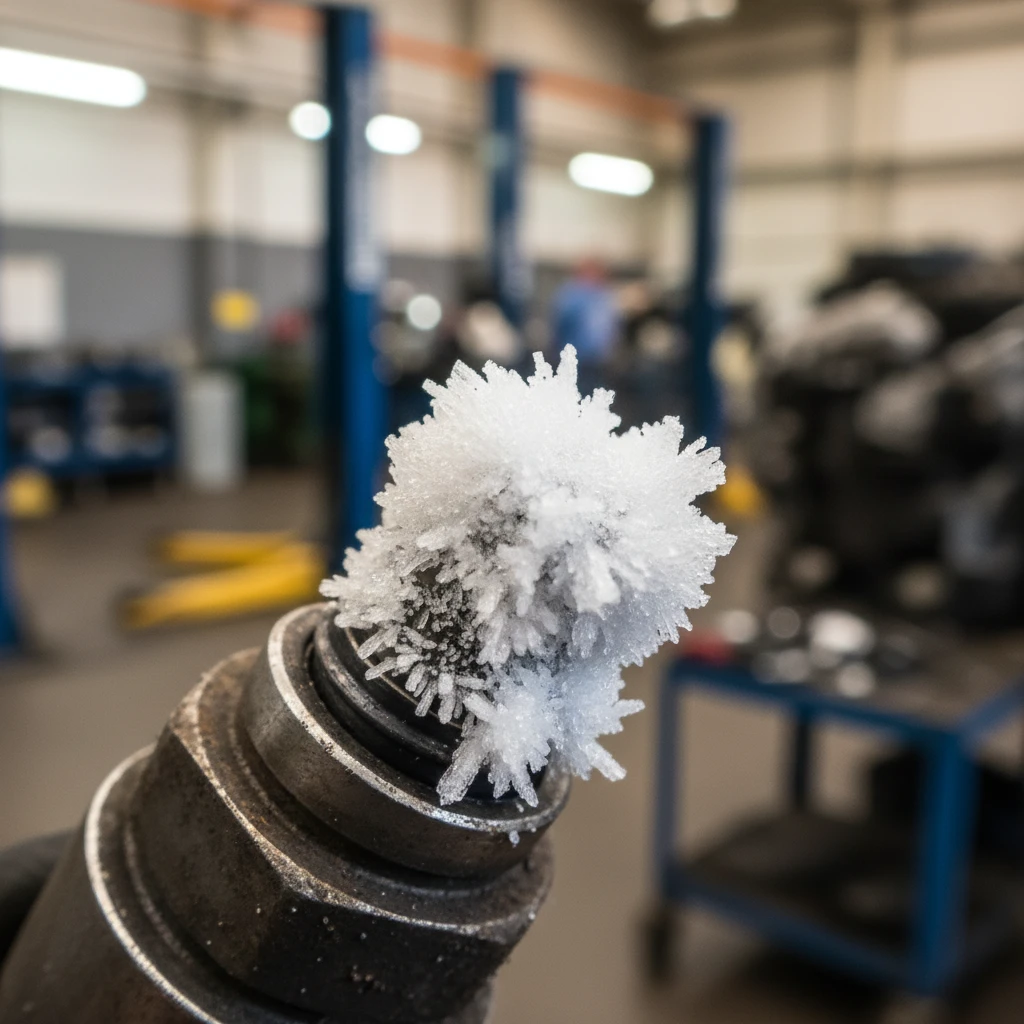
AdBlue Injector Crystallization
The 2.0L Bi-Turbo engines utilize AdBlue to reduce NOx emissions. The AdBlue injector, located in the exhaust, can become clogged with crystallized urea, especially if the vehicle sits idle for long periods or if low-quality fluid is used.
The Fix: Remove and clean the injector with warm water to dissolve crystals. If the pump fails (often indicated by a “No Start in XXX km” warning), the entire AdBlue heater/pump module may need replacement.
Electrical Gremlins and Smart Charge Systems
The PX3 is heavily reliant on electronics, and the battery management system is a critical component that is often misunderstood.
Smart Charge Alternator Issues
The Ranger uses a “Smart Charge” system where the ECU controls the alternator’s output to save fuel. It does not constantly charge the battery at 14.4V like older vehicles. This can lead to perceived “flat battery” issues if aftermarket accessories (fridges, lights) are connected directly to the main battery without a proper DC-DC charger.
Advice: Always install a high-quality DC-DC charger for dual battery setups. If replacing the main battery, the Battery Management System (BMS) must be reset via a diagnostic tool so the ECU knows a new battery is installed; otherwise, it will undercharge the new unit.
Suspension Wear and Chassis Concerns
While the chassis is tough, the suspension components are considered consumables, particularly for Rangers used off-road or for towing.
Front Lower Control Arm Bushes
The heavy weight of the diesel engine and the 4WD system puts significant stress on the front lower control arm bushes. These are oil-filled hydraulic bushes from the factory to improve ride comfort. However, they are prone to splitting and leaking oil, resulting in vague steering and uneven tyre wear.
Upgrade: When these fail, replace them with solid rubber or polyurethane aftermarket bushes. While this may slightly increase road vibration, it offers vastly superior durability for NZ road conditions.
Rear Leaf Spring Sag
The PX3 is designed to carry a load, but constant heavy loads can cause the factory leaf springs to invert or “sag” prematurely. If your Ranger looks like it is dragging its tail, it affects braking performance and headlight alignment. A suspension upgrade kit (GVM upgrade) is the recommended route for trade vehicles carrying constant weight.
Disclaimer: This guide is for informational purposes only. Technical repairs on the Ford Ranger PX3 should be carried out by qualified technicians using genuine Ford parts to ensure safety and warranty compliance.
What are the most common problems with the Ford Ranger PX3?
The most common issues include 10-speed transmission shuddering, EGR cooler internal leaks, intercooler hose splitting (3.2L), and AdBlue system faults (2.0L). Regular maintenance and software updates can mitigate many of these issues.
How do I fix the transmission shudder on my Ranger?
Start with a PCM software update and adaptive learning reset at a Ford dealer. If the issue persists, a complete transmission fluid flush with Mercon ULV is required. In severe cases, the torque converter may need replacement.
Is the 2.0L Bi-Turbo engine reliable?
The 2.0L Panther engine is generally reliable but is more sensitive to maintenance than the older 3.2L. It requires strict adherence to oil specifications (0W-30) and regular attention to the AdBlue system. The “wet belt” oil pump drive is a service item that must not be ignored at high mileage.
Why is my Ranger losing coolant but not leaking?
This is a classic symptom of a cracked EGR cooler. The coolant leaks internally into the exhaust system and is evaporated, so no puddle forms. This requires immediate attention to prevent engine damage.
How often should I service my Ford Ranger PX3?
Ford recommends every 15,000km or 12 months. However, for vehicles towing heavy loads or driving off-road in NZ conditions, we strongly recommend an intermediate oil and filter change every 7,500km.
What does the wrench light mean on a Ford Ranger?
The wrench light indicates a powertrain fault has been detected. The vehicle may enter “Limp Mode” to protect the engine. You must scan the vehicle for DTC codes to identify the specific issue, which could range from a sensor fault to a transmission issue.