
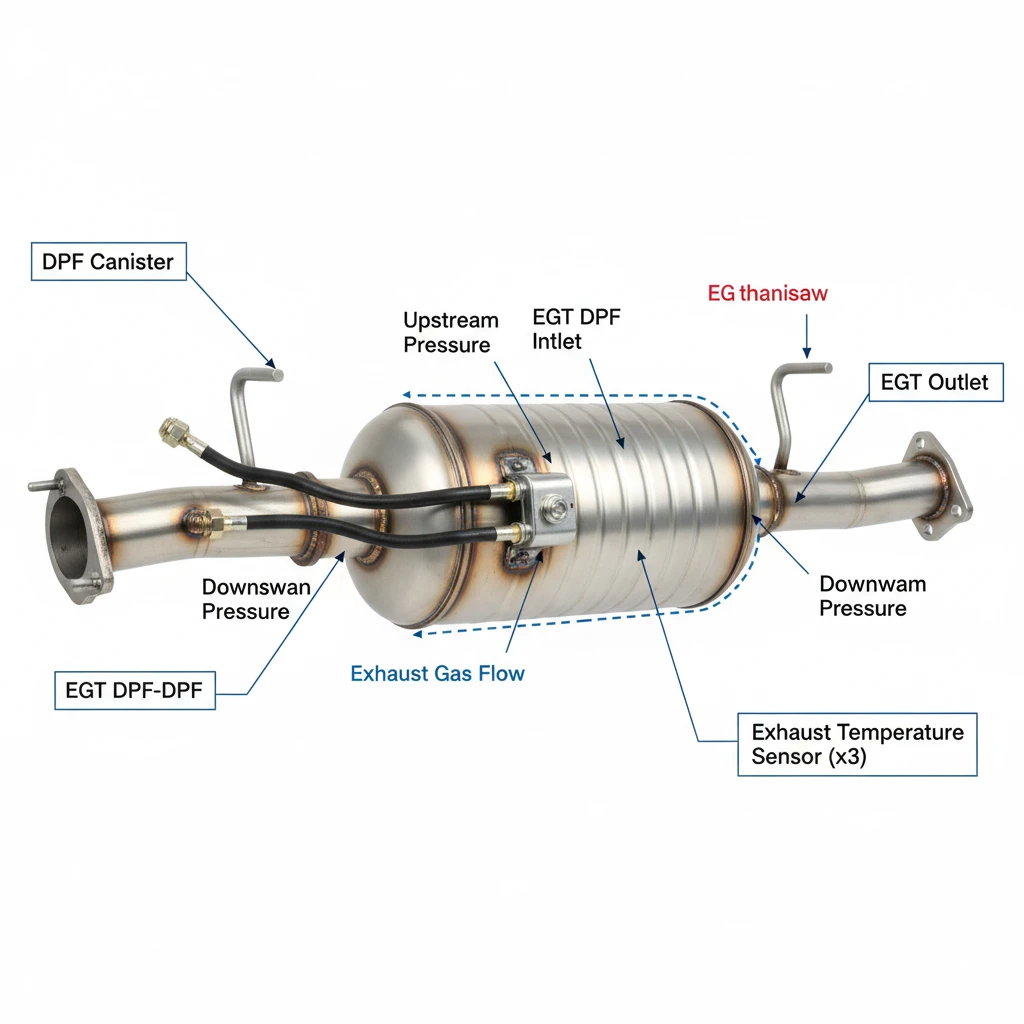
DPF Cleaning & Replacement
A Ford Ranger DPF burn off is an automated cleaning process where the exhaust system reaches high temperatures (approximately 600°C) to incinerate accumulated soot particles within the Diesel Particulate Filter. This regeneration cycle prevents blockages, restores exhaust flow, and ensures the vehicle remains out of “limp mode” while maintaining emission compliance.
For Ford Ranger owners in New Zealand, understanding the intricacies of the Diesel Particulate Filter (DPF) is crucial for vehicle longevity. The Ranger, particularly the 3.2L and the newer 2.0L Bi-Turbo models, relies heavily on this system to meet emission standards. However, without proper maintenance and an understanding of the burn-off cycle, owners often face costly repairs. This guide serves as the definitive technical resource for managing your DPF, replacing sensors, and choosing between cleaning and replacement.
What is the Ford Ranger DPF Regeneration Cycle?
The Diesel Particulate Filter (DPF) acts as a trap for soot particulates generated during the combustion process. Over time, this trap fills up. The “burn off,” technically known as regeneration, is the engine management system’s method of cleaning this trap. Unlike older exhaust systems, the DPF is a dynamic component that requires specific conditions to function correctly.
When the Engine Control Unit (ECU) detects that the soot load has reached a specific threshold (usually calculated via the differential pressure sensor), it initiates a burn-off cycle. This process involves injecting additional diesel fuel during the exhaust stroke, which raises the Exhaust Gas Temperature (EGT) high enough to oxidize the solid soot into harmless ash.
How does the DPF Burn Off work in different modes?
There are three distinct ways a Ford Ranger performs a DPF burn off. Understanding the difference is vital for preventing the dreaded “DPF Full Visit Dealer” warning.
1. Passive Regeneration
Passive regeneration occurs naturally when the engine is under a moderate to heavy load. For Kiwi drivers, this typically happens when towing a boat up a hill or driving at sustained highway speeds (above 80km/h) for more than 20 minutes. During these conditions, exhaust temperatures naturally rise between 350°C and 500°C, allowing the soot to burn off without ECU intervention. This is the healthiest form of regeneration for your engine.
2. Active Regeneration
If you primarily drive in city traffic or on short runs, the exhaust never gets hot enough for passive regeneration. The ECU monitors the soot load percentage. Once it hits roughly 45-50%, the ECU initiates Active Regeneration. It alters fuel injection timing to artificially raise the exhaust temperature to approximately 600°C. You might notice:
- An increase in instant fuel consumption.
- A distinct “hot metal” smell.
- Ideally, the engine idle speed may increase slightly.
- The cooling fan running even after the engine is turned off.
Critical Tip: If you notice an active regeneration taking place, do not switch off the engine. Continue driving until the cycle completes to avoid partial blockages.
3. Static (Forced) Regeneration
If the soot load exceeds a critical limit (often around 90-100%), the vehicle may enter “Limp Mode” to protect the engine. At this stage, passive and active regeneration are disabled to prevent a thermal runaway event. A Static Regeneration must be performed using a diagnostic scan tool. This forces the engine to run at high RPMs while stationary to clear the filter. This puts significant thermal stress on the components and should only be done when necessary.

Ford Ranger DPF Pressure Sensor Replacement
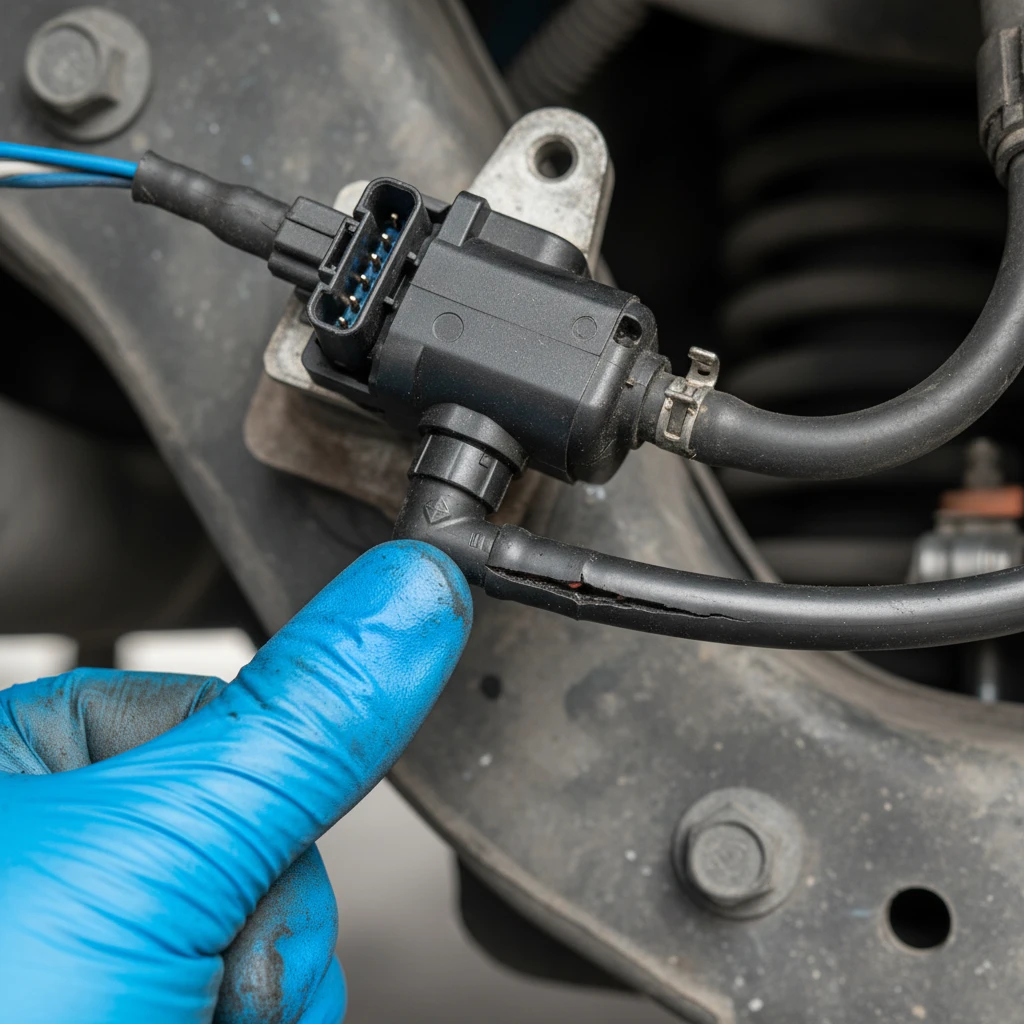
One of the most common points of failure in the Ford Ranger emission system is not the filter itself, but the Differential Pressure Sensor (DPS). This sensor measures the pressure before and after the DPF. As the filter fills with soot, backpressure increases. The sensor relays this data to the ECU.
Symptoms of a Faulty Pressure Sensor
If the sensor fails or the hoses connecting it to the exhaust melt or crack, the ECU receives incorrect data. It may believe the DPF is full when it is empty, or empty when it is dangerously full. Symptoms include:
- Check Engine Light with codes P2463 (Soot Accumulation) or P2452 (Pressure Sensor Circuit).
- Frequent, unnecessary regeneration cycles.
- Vehicle stuck in Limp Mode despite a clean filter.
Step-by-Step Replacement Guide
Replacing the sensor is a manageable task for those with mechanical aptitude, though calibration is required afterward.
- Locate the Sensor: On the 3.2L Ranger, the sensor is typically located near the transmission tunnel on the driver’s side (NZ RHD models), mounted to the chassis or transmission bracket.
- Inspect Hoses: Before replacing the sensor, inspect the rubber hoses leading to the metal exhaust tubes. These frequently degrade due to heat. If they are cracked, replace them with high-temperature silicone hoses.
- Disconnect and Remove: Unclip the electrical connector. Remove the two hoses (note which goes to the “Hi” and “Lo” ports). Unbolt the sensor from the bracket.
- Install Genuine Parts: It is highly recommended to use a Genuine Ford sensor. Aftermarket sensors often have different voltage tolerances that can confuse the ECU.
- Recalibration: This is the most critical step. After physical installation, you must use a diagnostic tool (like FORScan or Ford IDS) to perform a “Reset Differential Pressure Sensor Learned Values.” Without this, the ECU will continue to operate using the old sensor’s data, likely causing the error to return immediately.
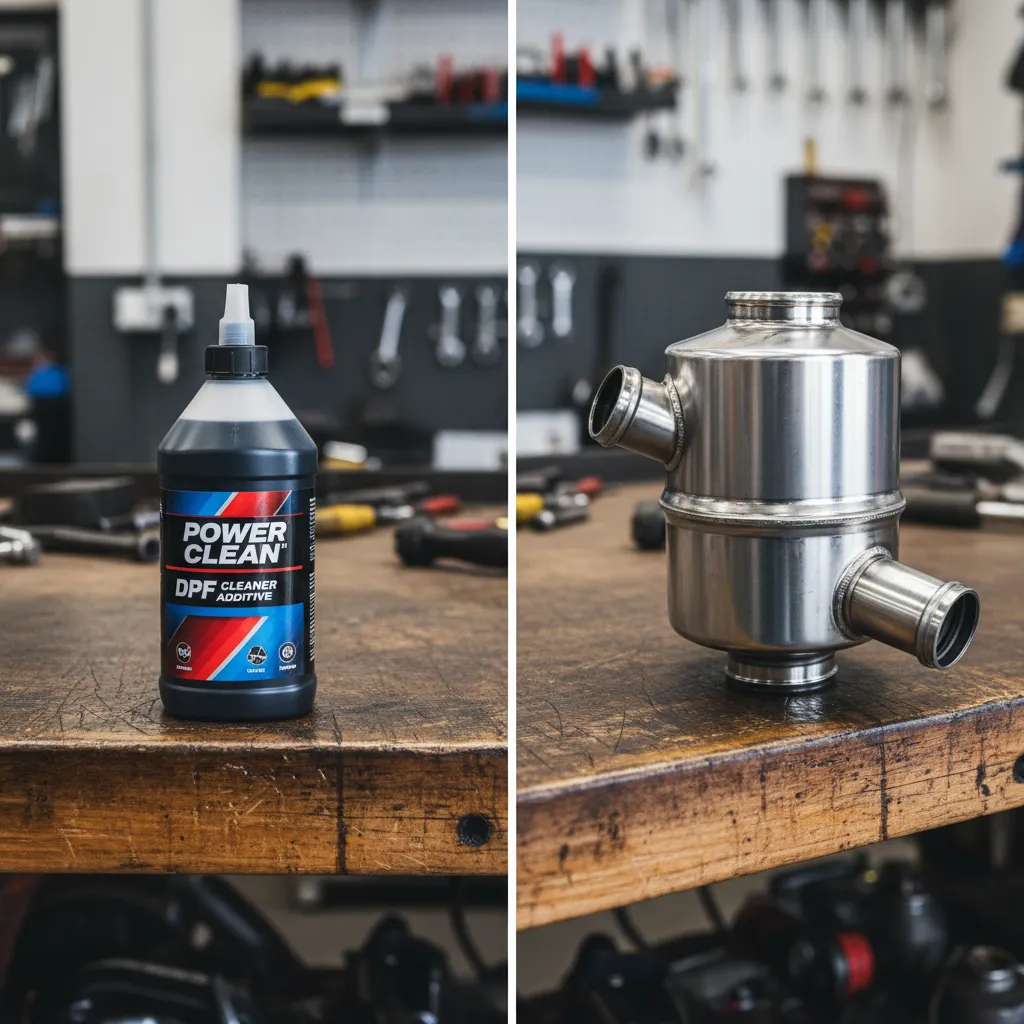
DPF Cleaning Additives vs. Replacement Filters
When faced with a blocked DPF that won’t regenerate, owners are often presented with two options: chemical cleaning additives or physical replacement. Understanding the limitations of each is vital for your wallet and your truck.
Do DPF Cleaning Additives Work?
Fuel-borne additives, often sold as “DPF Cleaners,” contain cerium or iron-based catalysts. These chemicals bond with soot particles during combustion, effectively lowering the temperature required for the soot to burn off (from 600°C down to roughly 450°C).
Verdict: Additives are excellent for preventative maintenance, especially for city drivers. They help facilitate passive regeneration at lower speeds. However, if your DPF is fully blocked (ash loaded) or the soot load is over 90%, an additive will not clear the blockage. You cannot pour a chemical in the tank to dissolve a physical wall of ash.
Off-Car Professional Cleaning
Before buying a new filter, consider professional off-car cleaning. This involves removing the DPF and placing it in a specialized machine that uses high-pressure air and aqueous solutions to flush out both soot and ash. This can restore a filter to 95% efficiency, provided the internal ceramic core has not melted or cracked.
When is Replacement Necessary?
Replacement is the only option when:
- The Core is Melted: Excessive temperatures from failed regenerations can melt the ceramic honeycomb.
- Ash Saturation: Ash is the non-combustible byproduct of burning oil and additives. Once the filter is full of ash, it cannot be burned off; it must be physically removed or replaced.
- Structural Failure: Cracks in the filter allow black smoke to pass through the tailpipe, resulting in an automatic WOF (Warrant of Fitness) failure in New Zealand.
When replacing, sticking to Genuine Ford parts or high-quality OEM equivalents is essential. Cheap aftermarket filters often have lower precious metal content (platinum/palladium), leading to less effective catalysis and recurring engine lights.
Troubleshooting Common Ford Ranger DPF Fault Codes
Diagnosing DPF issues requires reading the specific Diagnostic Trouble Codes (DTCs). Here are the most common codes encountered by Ranger owners:
P2463: Diesel Particulate Filter Restriction – Soot Accumulation
This is the most common code. It means the soot load is higher than the allowable threshold. Fix: Attempt a static regeneration. If that fails, check the pressure sensor and hoses.
P246C: Diesel Particulate Filter Restriction – Forced Limited Power
The vehicle is in Limp Mode to prevent damage. You likely ignored the P2463 code for too long. Fix: This usually requires a dealer-level forced regeneration or professional cleaning.
P244A: Particulate Filter Differential Pressure Too Low
This suggests a leak in the system. Fix: Check for disconnected hoses on the pressure sensor or a cracked DPF core.
Preventative Maintenance for NZ Conditions
To maximize the life of your Ford Ranger’s DPF, adopt the following habits:
- Use the Correct Oil: Only use Low-SAPS (Sulphated Ash, Phosphorus, and Sulphur) engine oil meeting Ford specifications (e.g., WSS-M2C950-A). High-SAPS oil creates excessive ash that permanently blocks the DPF.
- Monitor Fuel Levels: Active regeneration will not initiate if the fuel light is on (usually below 1/4 tank). Keep your tank reasonably full.
- Weekly Highway Runs: If you are a tradesperson working in the city, take the Ranger for a 30-minute drive on the open road once a week to allow for passive regeneration.
- Address Intake Leaks: A split intercooler hose (common on Rangers) causes the engine to run rich, generating massive amounts of soot that will clog the DPF in hundreds of kilometers.
By understanding the Ford Ranger DPF burn off process and maintaining the supporting components like the pressure sensor, you can ensure your ute remains reliable and powerful for years to come.
How long does a Ford Ranger DPF burn off take?
An active DPF burn off typically takes between 10 to 20 minutes to complete. During this time, you should maintain a steady speed (ideally above 60km/h) and avoid turning off the engine until the cycle is finished. Static regenerations performed in a workshop can take up to 40 minutes.
Can I drive my Ford Ranger with the DPF light on?
If the light is solid amber, you can drive, but you should head to a highway to facilitate a burn off. If the light is flashing or red, or if the vehicle has entered limp mode, you should not drive extensively. Continued driving in this state can cause total DPF failure or engine damage.
How do I know if my Ranger is doing a burn off?
You will likely notice an increased instant fuel consumption readout, a higher idle RPM (around 1000rpm instead of 750rpm), a changing exhaust note, and a smell of hot rubber or metal. The cooling fan may also stay on after parking.
What is the cost of a Ford Ranger DPF replacement?
In New Zealand, a Genuine Ford DPF replacement can cost between $2,500 and $4,000 NZD depending on the model and labor. Aftermarket options are cheaper but vary in quality. Professional cleaning is a cost-effective alternative, usually costing between $400 and $800 NZD.
Will a DPF delete pass a WOF in NZ?
No. Removing the DPF is illegal for road-going vehicles in New Zealand. If a vehicle is found to have had its emissions system tampered with or removed, it will fail its Warrant of Fitness (WOF) and must be reinstated before it can be legally driven.
Why does my Ford Ranger DPF keep blocking?
Recurring blockages are rarely just “bad luck.” They are usually caused by an underlying issue such as a faulty differential pressure sensor, a split intercooler hose, a stuck EGR valve, using the wrong engine oil, or a driving style that consists entirely of short, low-speed trips.