
Drive Belt & Tensioner Kits
Ford Ranger serpentine belt replacement involves releasing the automatic tensioner to remove the worn Front End Accessory Drive (FEAD) belt, inspecting idler pulleys for bearing play, and installing a new genuine belt. Manufacturers recommend replacing the belt and tensioner assembly simultaneously every 100,000 to 150,000 kilometers to prevent catastrophic failure of the alternator, water pump, and air conditioning systems.
For Ford Ranger owners in New Zealand, maintaining the integrity of the accessory drive system is critical, especially when navigating rugged terrain or towing heavy loads. The serpentine belt (also known as the drive belt) is the unsung hero of your engine bay, transferring power from the crankshaft to vital components. Ignoring warning signs like belt squeal or tensioner chatter can lead to being stranded in the wop-wops with an overheating engine and a dead battery.
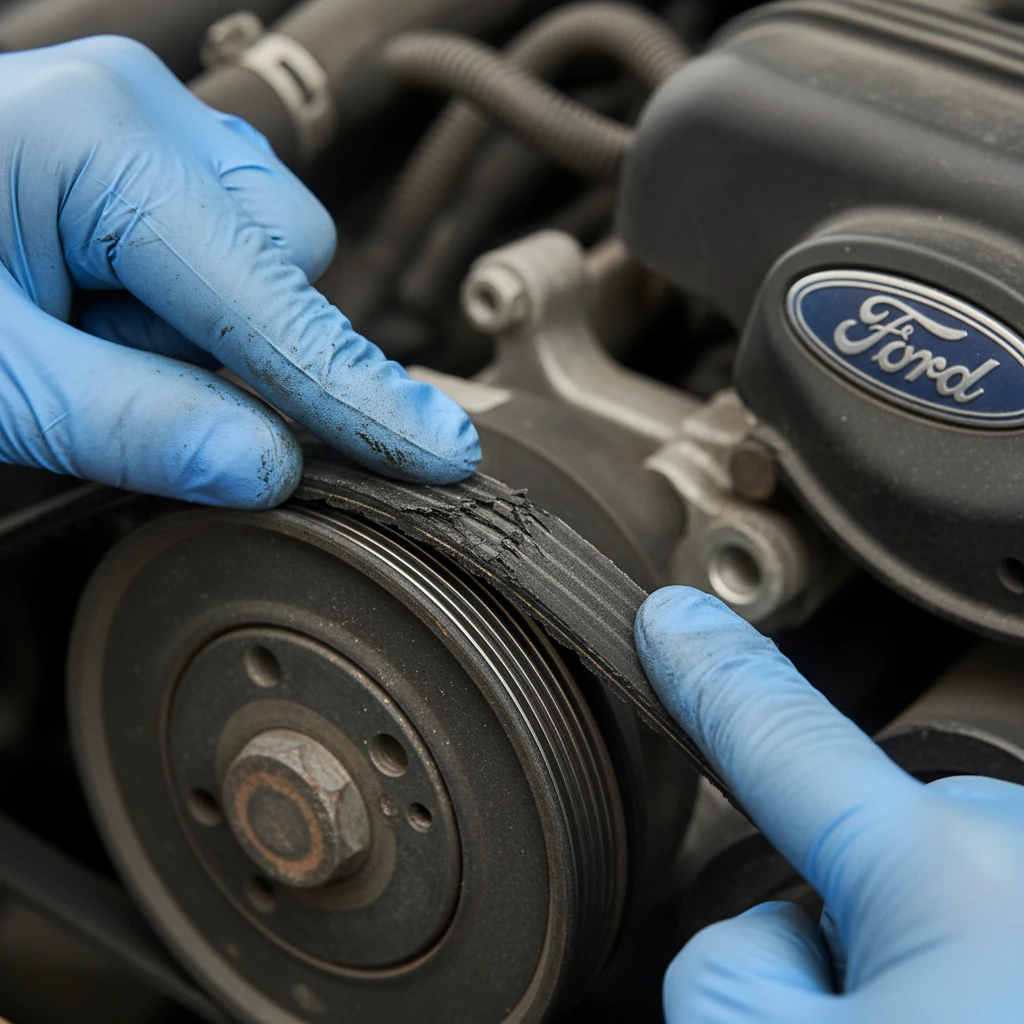
Identifying Belt Squeal and Visual Wear
The most common indicator that your Ford Ranger requires a serpentine belt replacement is audible noise. However, as a technical authority, we must distinguish between the types of noise to diagnose the root cause accurately. A high-pitched squeal usually indicates belt slippage due to low tension or fluid contamination, while a chirping or grinding sound often points toward bearing failure in the tensioner or idler pulleys.
What causes serpentine belt squeal?
Belt squeal is primarily caused by a lack of friction between the belt ribs and the accessory pulleys. Over time, the EPDM (Ethylene Propylene Diene Monomer) rubber of the belt hardens and glazes, reducing its grip. Alternatively, if the automatic tensioner has lost its spring force, it cannot apply adequate pressure to the belt, allowing it to slip under load—particularly when the A/C compressor kicks in or during cold starts in New Zealand winters.
Visual Inspection Checklist
Before ordering parts, perform a thorough visual inspection of the FEAD system:
- Cracking: Look for transverse cracks across the ribs. While minor cracking is normal on aged belts, chunks missing (chunking) require immediate replacement.
- Glazing: A shiny, glossy appearance on the rib side indicates the belt has been slipping and overheating.
- Abrasion: Fraying on the edges of the belt suggests pulley misalignment or a failed tensioner pivot causing the belt to track off-center.
- Contamination: Oil or coolant leaks onto the belt will degrade the rubber rapidly, causing it to swell and slip.
The Hidden Danger: Tensioner Pulley Bearing Failure
Many DIY mechanics make the mistake of replacing only the rubber belt while ignoring the hardware that supports it. On the Ford Ranger, particularly the 3.2L Duratorq and 2.0L Bi-Turbo engines, the automatic belt tensioner is a wear item that degrades at the same rate as the belt itself.
How do I know if my belt tensioner is bad?
To determine if your tensioner has failed, observe the tensioner arm while the engine is idling. The arm should remain relatively steady with very minor oscillation. If the tensioner arm is bouncing violently, the internal damping mechanism has failed. This bouncing creates shock loads on the belt and accessory bearings, leading to premature alternator or water pump failure.
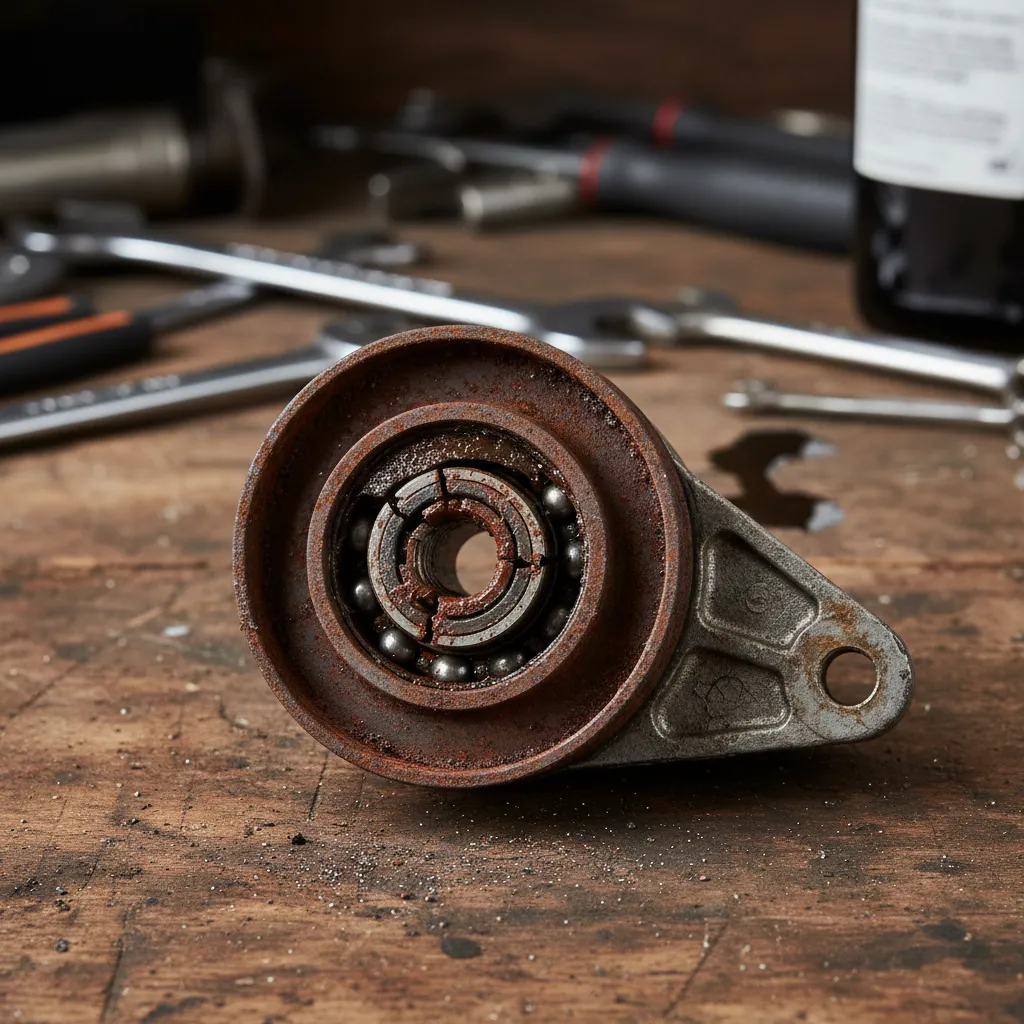
Additionally, with the belt removed, spin the tensioner pulley and idler pulleys by hand. They should spin smoothly with some resistance from the grease. If they spin freely (like a skateboard wheel) or make a dry, scratching noise, the grease has dried out, and the bearing is on the verge of seizure. A seized pulley will shred a new belt in seconds.
Why Complete Drive Belt & Tensioner Kits Are Essential
Approaching a Ford Ranger serpentine belt replacement with a “belt-only” mentality is false economy. The labor required to access the front of the engine—removing the fan shroud, viscous fan (on some models), and skid plates—is significant. Doing the job twice because an old tensioner failed a month after a belt change is inefficient and costly.
What is included in a Drive Belt Overhaul Kit?
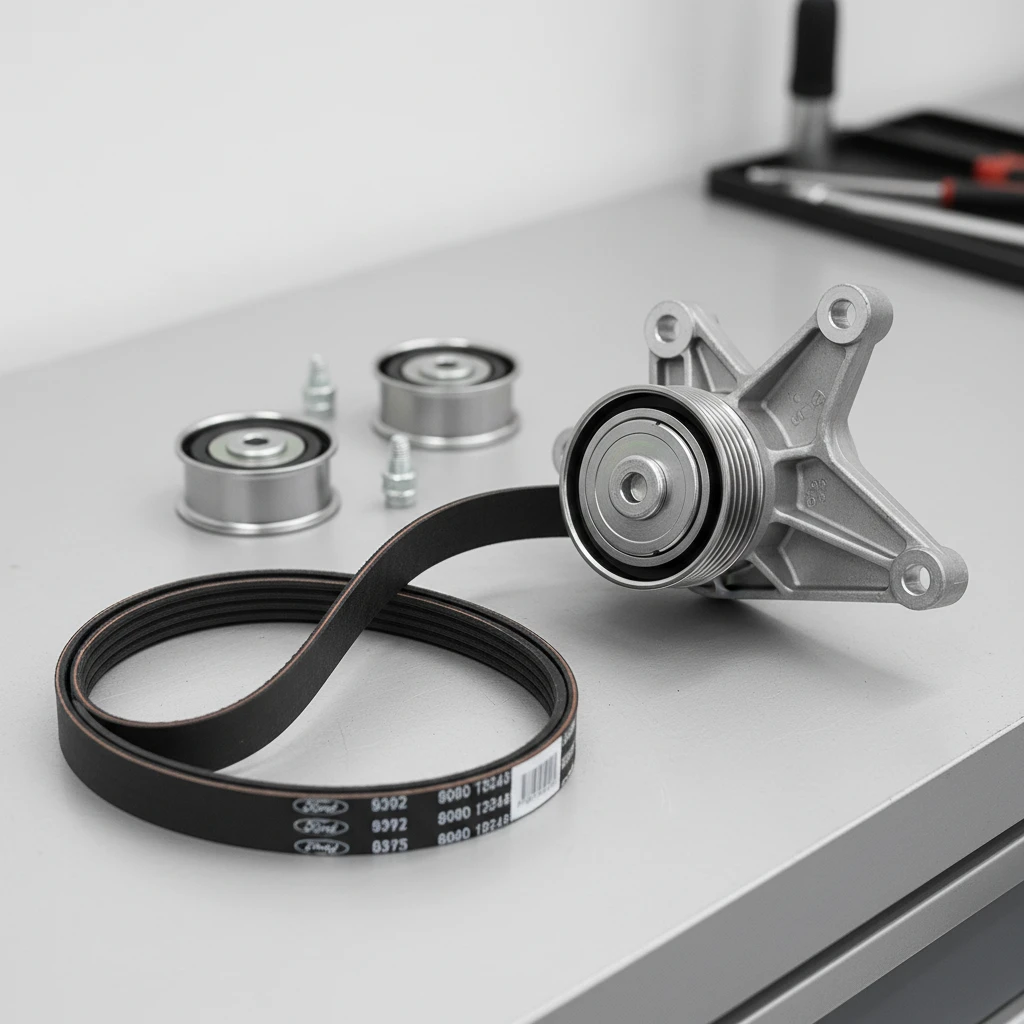
A comprehensive overhaul kit typically includes:
- High-Performance Serpentine Belt: Often reinforced with aramid fibers to prevent elongation.
- Automatic Belt Tensioner Assembly: Includes the spring-loaded arm and the pulley.
- Idler Pulleys: The static guide pulleys that route the belt around the engine block.
By utilizing a complete kit, you reset the clock on the entire Front End Accessory Drive system. This ensures that the new belt has the correct tension applied from day one and runs on smooth, new bearings. For commercial users and tradies who rely on their Rangers daily, this reliability is non-negotiable.
Step-by-Step: Ford Ranger Serpentine Belt Replacement
Note: This guide applies generally to the Ford Ranger PX series (2.2L and 3.2L). Always consult the specific workshop manual for your VIN.
1. Preparation and Safety
Ensure the engine is cool. Disconnect the negative battery terminal to prevent accidental starting or electrical shorts, especially since the alternator is involved. Raise the vehicle if necessary and remove the underbody skid plates for better access.
2. Create Access
On many Ranger models, the intake piping or the airbox may obstruct access to the belt drive. Remove the air intake ducting. If your model has a mechanical viscous fan, you may need a fan clutch spanner to remove it, although some technicians can work around it with specialized long-reach tools.
3. Release Tension and Remove Old Belt
Locate the square drive hole or the hex bolt on the automatic tensioner face. Using a breaker bar or a dedicated serpentine belt tool, rotate the tensioner (usually counter-clockwise) to relieve pressure on the belt. Slide the belt off the alternator pulley first, then carefully release the tensioner back to its resting position. Remove the belt from the engine bay.
4. Replace Tensioner and Idlers
Unbolt the old tensioner assembly from the engine block. Ensure the mounting surface is clean and free of corrosion. Install the new tensioner and torque the bolts to the manufacturer’s specification (typically around 40-50 Nm, but verify this). Replace any idler pulleys included in your kit.
5. Routing the New Belt
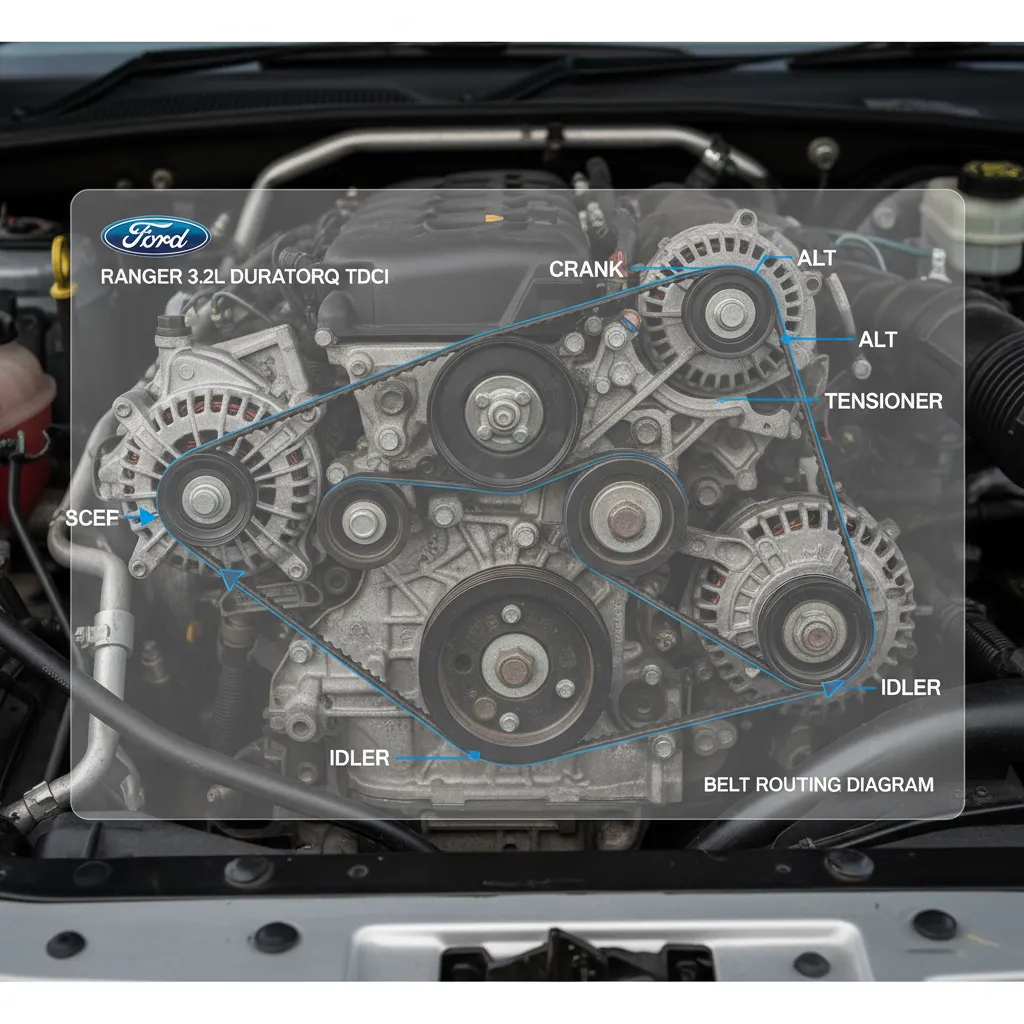
Refer to the belt routing diagram (often found on a sticker under the hood or in the owner’s manual). Loop the new belt around the crankshaft, A/C compressor, water pump, and idler pulleys, leaving the alternator or a smooth idler as the final pulley. It is crucial that the ribbed side of the belt faces the grooved pulleys and the flat side faces the smooth pulleys.
6. Final Installation and Check
Rotate the tensioner again to the release position. Slip the final loop of the belt over the last pulley. Slowly release the tensioner, ensuring the belt seats perfectly in all pulley grooves. A misaligned belt can jump off or shred immediately. Reassemble the intake and fan components, reconnect the battery, and start the engine to check for smooth operation and absence of squeals.
Genuine Parts vs. Aftermarket: The NZ Context
In New Zealand, the market is flooded with cheap aftermarket rubber components. However, for a vehicle as technically sophisticated as the Ford Ranger, sticking to Genuine Ford Parts or OEM-equivalent brands (like Gates or Dayco) is critical. Genuine belts are engineered with specific rib profiles and cord materials designed to handle the harmonic vibrations of the diesel engine.
Cheap aftermarket belts often lack the dimensional precision required, leading to “belt flutter”—a condition where the belt vibrates excessively between pulleys. This not only creates noise but can falsely trigger knock sensors or cause the tensioner to work overtime, leading to early failure. When sourcing a Drive Belt & Tensioner Kit, ensure you are buying from a reputable supplier that guarantees fitment for NZ-spec Rangers.
Maintenance Tips for Kiwi Conditions
New Zealand driving conditions are unique. From the dusty metal roads of the South Island to the humid, salty air of the North Island coast, your Ranger’s belt drive is under constant attack.
- Dust and Grit: Fine dust can embed itself into the belt ribs, acting like sandpaper on your pulleys. If you frequently drive on gravel, inspect your belt more often than the standard service interval.
- River Crossings: If you take your Ranger off-road and submerge the front end, the sudden cooling of hot pulleys can warp them, and water can wash grease out of the tensioner bearings. Always inspect the FEAD system after deep water wading.
- Towing Loads: Heavy towing increases engine load and heat. A slipping belt will fail to spin the water pump efficiently, contributing to overheating on long ascents like the Remutaka Hill.
By proactively managing your Ford Ranger serpentine belt replacement with high-quality kits, you ensure your ute remains the reliable workhorse it was designed to be.
How often should I change the serpentine belt on a Ford Ranger?
Ford generally recommends inspecting the accessory drive belt every 20,000 km and replacing it every 100,000 to 150,000 km. However, in severe driving conditions (towing, off-road, dust), replacement may be required as early as 80,000 km.
How much does a Ford Ranger belt replacement cost?
The cost varies depending on whether you do it yourself or use a mechanic. A quality Drive Belt & Tensioner Kit can cost between $200 and $400 NZD. Professional installation will add 1 to 2 hours of labor, bringing the total to approximately $400-$700 NZD.
Can I drive my Ranger with a squeaky belt?
While you can drive short distances, a squeaky belt indicates slippage or bearing failure. Ignoring it can lead to the belt snapping, which will stop the alternator charging, kill the power steering, and stop the water pump, causing the engine to overheat rapidly.
Do I need to replace the tensioner with the belt?
Yes. The tensioner contains a spring and a bearing that wear out at a similar rate to the belt. Replacing the belt without the tensioner often leads to the new belt slipping or the old tensioner failing shortly after, requiring the job to be done again.
What is the belt routing for a Ford Ranger 3.2L?
The routing generally follows a path from the crankshaft to the tensioner, water pump, alternator, idler pulleys, and A/C compressor. It is highly recommended to take a photo of your existing belt layout before removal or refer to the diagram sticker usually located on the fan shroud.
Why does my new belt squeal immediately?
If a new belt squeals, it is usually due to one of three things: the tensioner was not replaced and is weak, the pulleys were not cleaned of old rubber/oil residue, or the belt is misaligned on the ribs. Contamination is the most common cause of new belt noise.