
EGR Valve & Cooler Solutions
Ford Ranger EGR cooler failure occurs when the internal heat exchanger core fractures or corrodes, allowing engine coolant to leak into the exhaust system or intake manifold. This common fault, prevalent in PX series models, typically manifests as unexplained coolant loss, white exhaust smoke, and potential engine overheating without external leaks.
For Ford Ranger owners in New Zealand, the Exhaust Gas Recirculation (EGR) system is a critical component for meeting emissions standards and maintaining engine efficiency. However, the EGR cooler has gained a reputation as a weak point, particularly in the 3.2L Duratorq and 2.0L Bi-Turbo engines. Understanding the mechanics of this failure, how to diagnose it early, and choosing the right repair path—genuine replacement versus modification—is essential to preventing catastrophic engine damage like hydrolock.
Symptoms of a Leaking EGR Cooler
Detecting a failing EGR cooler early can save you thousands of dollars in engine repairs. The cooler acts as a heat exchanger, using engine coolant to lower the temperature of exhaust gases before they are recirculated back into the engine. When the internal walls of this cooler breach, coolant enters the combustion cycle. Here are the primary symptoms every Ranger owner must know.
1. Unexplained Coolant Loss
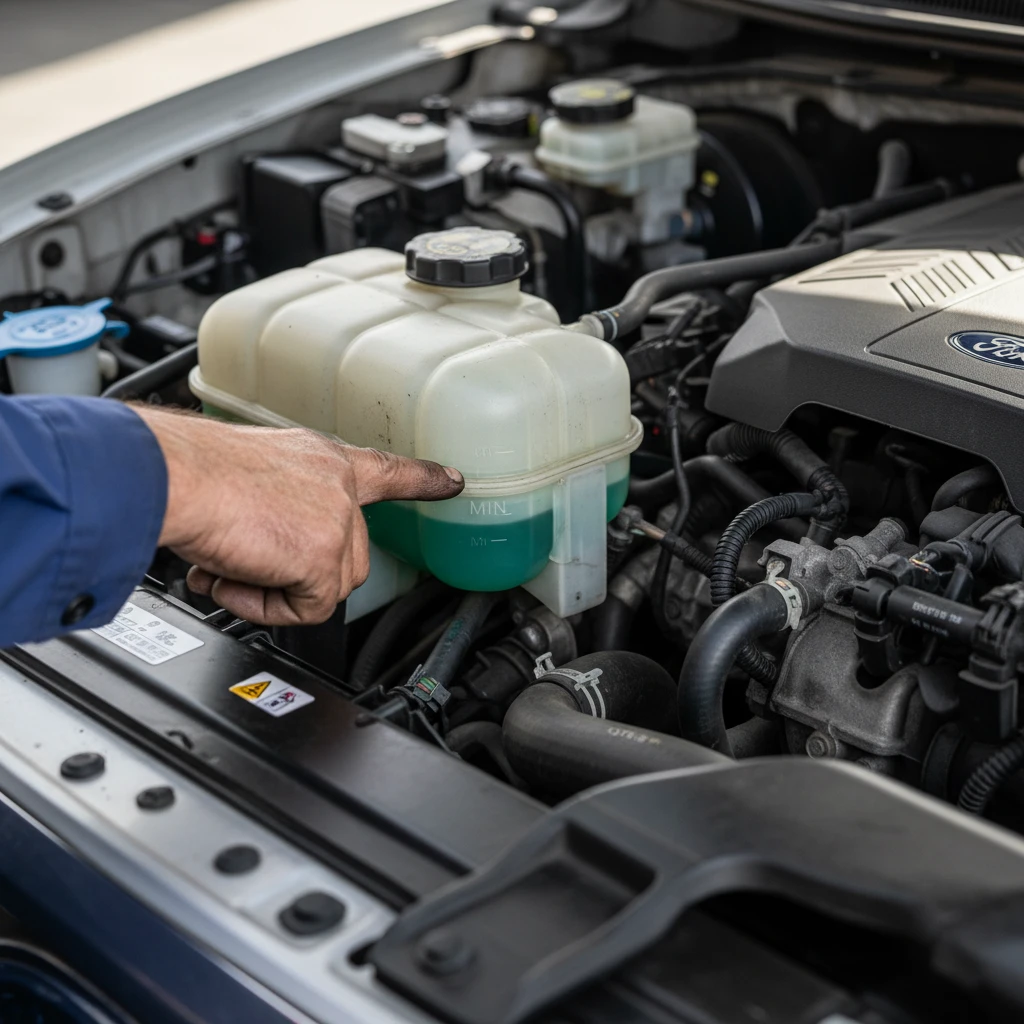
The most common early warning sign is a drop in the coolant reservoir level with no visible puddles under the truck. If you find yourself topping up the expansion tank every few weeks (or days), and you cannot see a leak from the radiator or hoses, the EGR cooler is the prime suspect. The coolant is being consumed by the engine and expelled as steam.
2. White Exhaust Smoke
When coolant enters the exhaust stream, it vaporizes instantly due to the high heat. This results in thick, white smoke exiting the tailpipe. This is often most noticeable on cold starts. Unlike normal condensation which dissipates quickly, smoke from a coolant leak lingers and often has a sweet, chemical smell characteristic of glycol.
3. Rough Idle and Misfires
If coolant leaks into the intake manifold while the vehicle is sitting overnight, it can foul the glow plugs or dampen the combustion chamber. Upon starting the vehicle, you may experience a rough idle, stuttering, or misfires for the first few seconds until the coolant is cleared from the cylinders.
4. Limp Mode and Overheating
Eventually, the loss of coolant will lead to air pockets in the cooling system. This reduces the system’s ability to regulate engine temperature, causing the temperature gauge to spike. Modern Ford Rangers will detect these thermal anomalies or pressure variances and trigger “Limp Mode” to protect the drivetrain, often accompanied by a check engine light.
How to Diagnose an EGR Cooler Fault
Confirming an EGR cooler failure requires specific diagnostic steps to rule out head gasket failure, which shares similar symptoms. Professional technicians in New Zealand use the following methods to pinpoint the issue.
Pressure Testing the Cooling System
By attaching a pressure tester to the coolant reservoir and pressurizing the system to operating specifications (usually around 15-20 PSI), a mechanic can observe if the pressure holds. If pressure drops but no external leaks are visible, the pressure is escaping internally. By removing the EGR pipework, a technician can often physically see coolant pooling inside the cooler or intake, confirming the internal breach.
EGR Bypass Test
A definitive way to isolate the cooler is to temporarily bypass the coolant lines running to the EGR cooler. If the cooling system holds pressure and coolant consumption stops after the bypass, the cooler is confirmed as the failure point. Note: This is for diagnostic purposes only and the vehicle should not be driven extensively in this state.
Genuine Replacement vs. EGR Delete Risks
Once failure is confirmed, Ranger owners face a decision: install a genuine replacement unit or perform an “EGR Delete.” While deleting the system is often touted in forums as a permanent fix, it carries significant risks and legal implications in New Zealand.
The Risks of EGR Deletes
An EGR delete involves installing blanking plates to block exhaust gas flow and reprogramming the ECU to ignore the missing data. While this stops the leak, consider the following downsides:
- WOF and Legal Issues: In New Zealand, modifying emissions control equipment can lead to a failed Warrant of Fitness (WOF). As regulations tighten, vehicles with visible tampering or missing emissions components are increasingly being flagged.
- Insurance Voiding: Modifications that make a vehicle non-compliant with road standards can give insurers grounds to decline a claim in the event of an accident.
- Increased NOx Emissions: The EGR system reduces Nitrogen Oxide emissions. Removing it significantly increases the vehicle’s environmental footprint.
- Thermal Management: The EGR system actually helps warm up the engine faster. Removing it can lead to longer warm-up times, increasing engine wear during cold starts.
Why Choose Genuine Ford Parts?
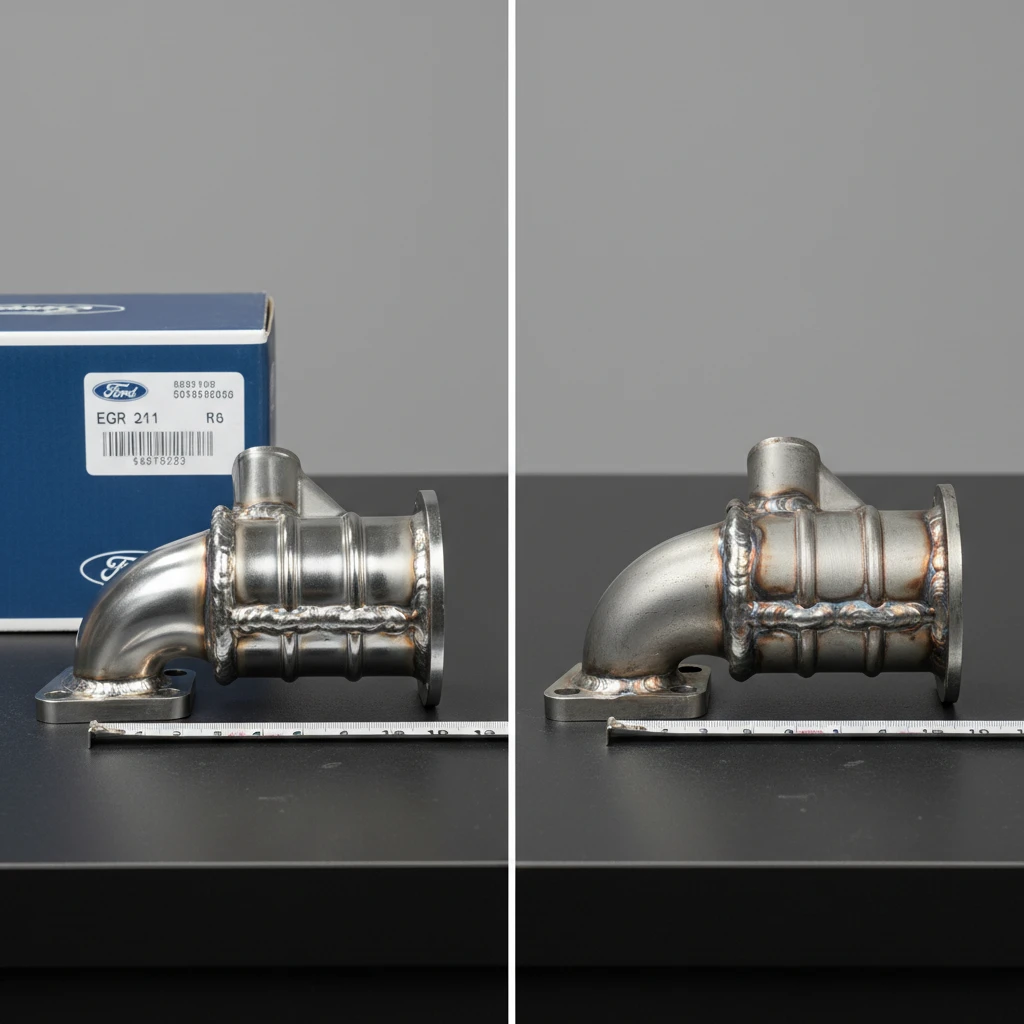
Opting for a Genuine Ford replacement cooler is the recommended path for longevity and compliance. Ford has updated the part numbers for the Ranger EGR coolers over the lifespan of the PX series. These superseded parts often feature reinforced internal cores and better welding to address the original failure points.
Genuine parts guarantee:
- Perfect Fitment: No modifications or “jerry-rigging” required.
- Warranty Protection: Genuine parts come with a warranty that covers the component and often the labour if installed by an authorized repairer.
- Resale Value: A vehicle with a documented service history using genuine parts retains higher value than one with extensive aftermarket modifications.
Cleaning Procedures & Carbon Buildup
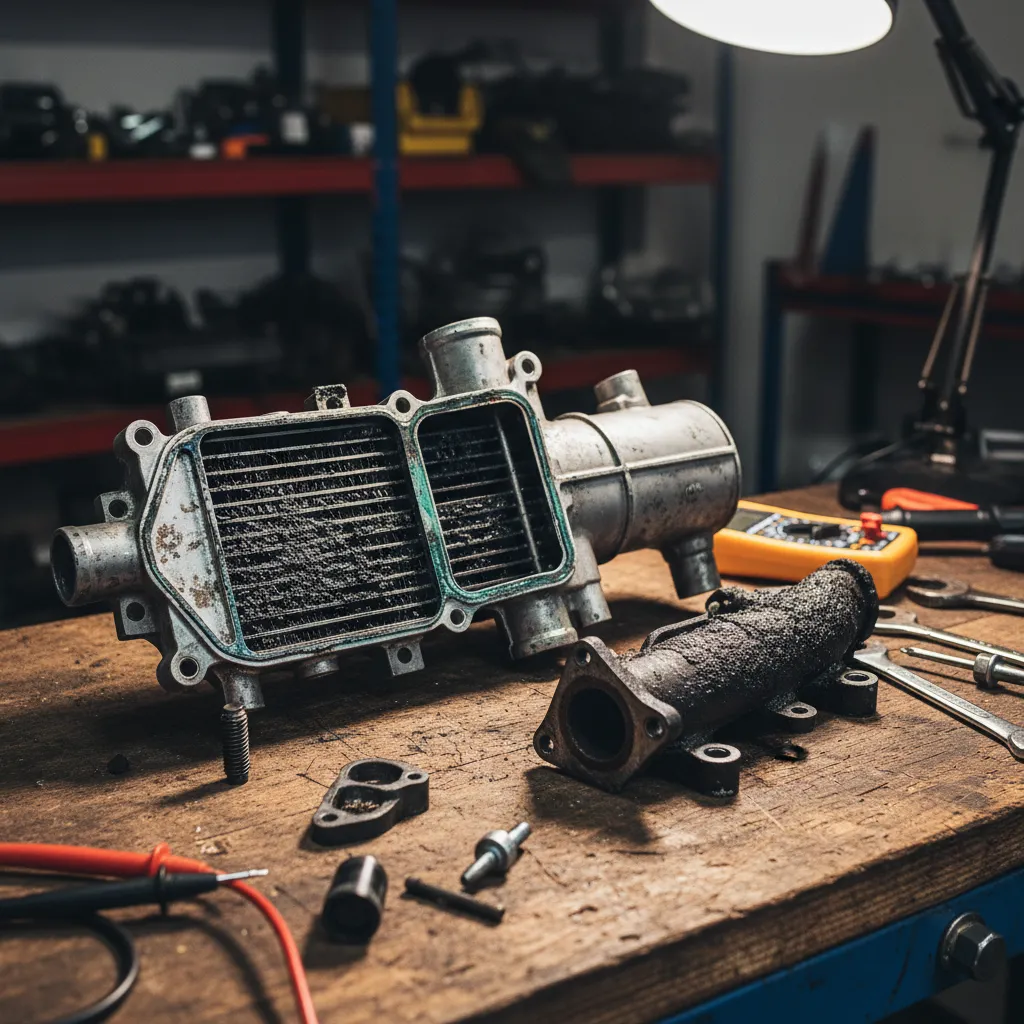
EGR coolers don’t just leak; they also clog. The combination of exhaust soot and oil vapor (from the PCV system) creates a sticky sludge that builds up in the intake manifold and the EGR valve itself. This restricts airflow, reduces power, and increases fuel consumption.
The Cleaning Process
If your cooler hasn’t failed but is suffering from flow restriction (often indicated by error code P0401 – EGR Flow Insufficient), cleaning may be an option. However, cleaning the cooler core itself is difficult due to the dense fin structure. The most effective maintenance involves cleaning the components around the cooler:
- Intake Manifold Cleaning: Removing the intake manifold and chemically cleaning or ultrasonically cleaning it to remove carbon sludge restores airflow.
- EGR Valve Cleaning: The valve mechanism can stick due to carbon. Careful cleaning with specialized solvents can restore movement.
- MAF Sensor Cleaning: A dirty Mass Air Flow sensor can cause the EGR system to behave erratically.
Warning: Do not attempt to clean the internal core of the EGR cooler with high-pressure water or aggressive acids, as this can weaken the internal walls and accelerate a coolant breach.
Preventative Maintenance for NZ Conditions
New Zealand driving conditions—heavy towing, steep terrain, and variable fuel quality—put additional stress on the Ranger’s cooling and emissions systems. To extend the life of your EGR cooler:
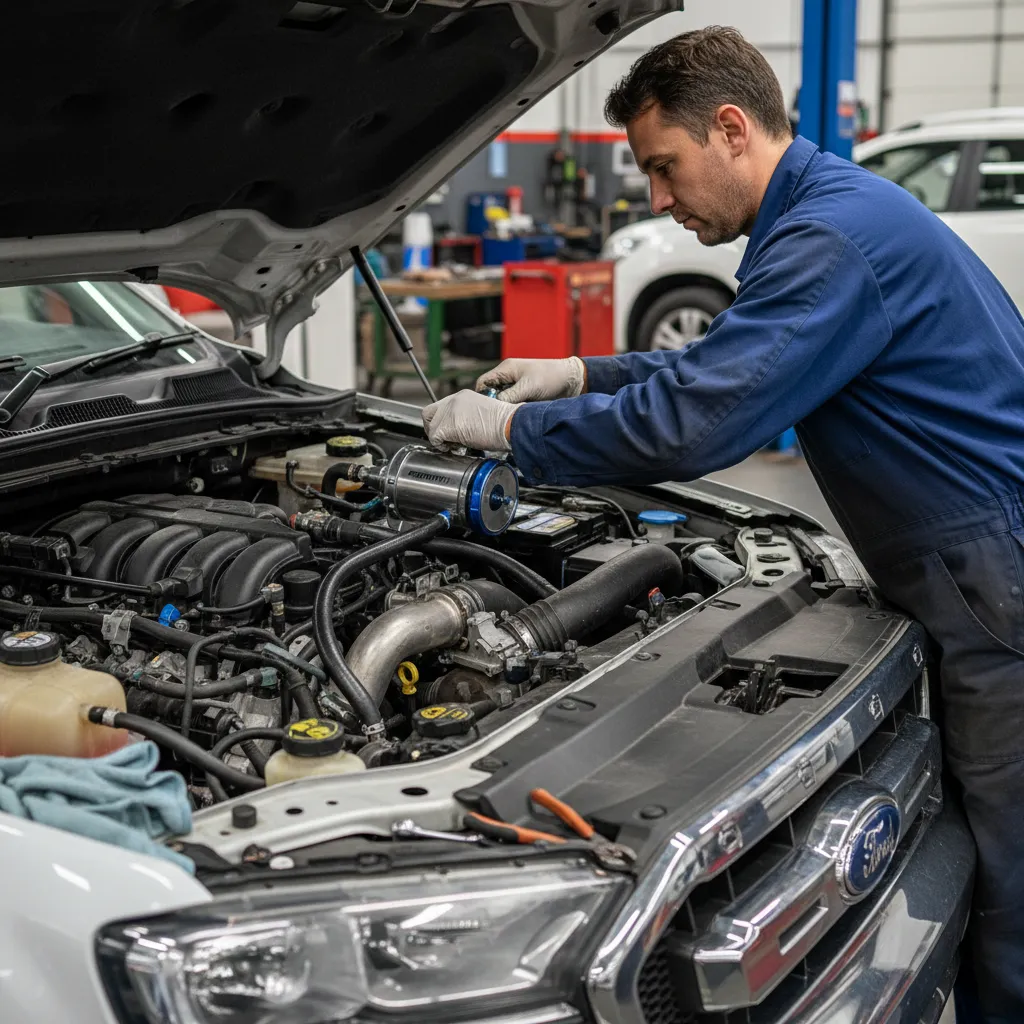
Install a Catch Can
An oil catch can separates oil mist from the crankcase blow-by gas before it re-enters the intake. By removing the oil from the equation, the dry soot from the EGR system is less likely to form the thick sludge that blocks coolers and manifolds.
Coolant Maintenance
Old, acidic coolant eats away at the aluminum internals of the EGR cooler. Flush and replace your engine coolant strictly according to Ford’s schedule (or sooner) using the correct specification of coolant. This is the single most effective way to prevent corrosion-based failure.
Frequently Asked Questions
How much does it cost to replace a Ford Ranger EGR cooler?
In New Zealand, the cost can vary depending on whether you go to a dealership or an independent specialist. Generally, you can expect to pay between $1,200 and $2,500 NZD. This includes the genuine cooler assembly, fresh coolant, gaskets, and labor. The labor component is significant as the cooler is buried deep in the engine bay, requiring substantial disassembly to access.
Can I drive my Ranger with a leaking EGR cooler?
No, you should not drive with a leaking EGR cooler. Even a small leak can rapidly worsen. If enough coolant enters the cylinder while the engine is off, it can cause “hydrolock” upon startup—where the piston tries to compress liquid. This will bend connecting rods and effectively destroy the engine, turning a $2,000 repair into a $15,000 engine replacement.
What is the difference between an EGR cooler and an EGR valve?
The EGR valve regulates the flow of exhaust gas, opening and closing based on ECU commands. The EGR cooler is a heat exchanger that the gas passes through to lower its temperature before entering the engine. While they work together, they are separate components. However, on the Ford Ranger, they are often located adjacent to each other, and failure of one can impact the other.
Will an EGR delete pass a WOF in NZ?
Technically, no. If a vehicle inspector notices that emissions equipment fitted by the manufacturer has been removed or tampered with, they can fail the vehicle for a Warrant of Fitness. While some “stealth” kits exist, the legal and insurance risks remain high. The most compliant solution is a genuine replacement.
How often should the EGR system be cleaned?
For Rangers used primarily for city driving (stop-start traffic), carbon buildup occurs faster. An intake clean is recommended every 60,000 to 80,000 km. Vehicles that tow heavy loads or drive long highway distances regularly get the engine hot enough to burn off some deposits naturally, potentially extending this interval.
Does the 2.0L Bi-Turbo Ranger have the same EGR issues as the 3.2L?
The 2.0L Bi-Turbo engine uses a different EGR design but is not immune to issues. While early 3.2L models (PX1 and PX2) are notorious for cooler splits, the 2.0L engines can suffer from valve failures and cooler clogging. The symptoms—coolant loss and performance drops—remain similar across both engine platforms.