
Engine Oil Bundles (Specific Viscosity)
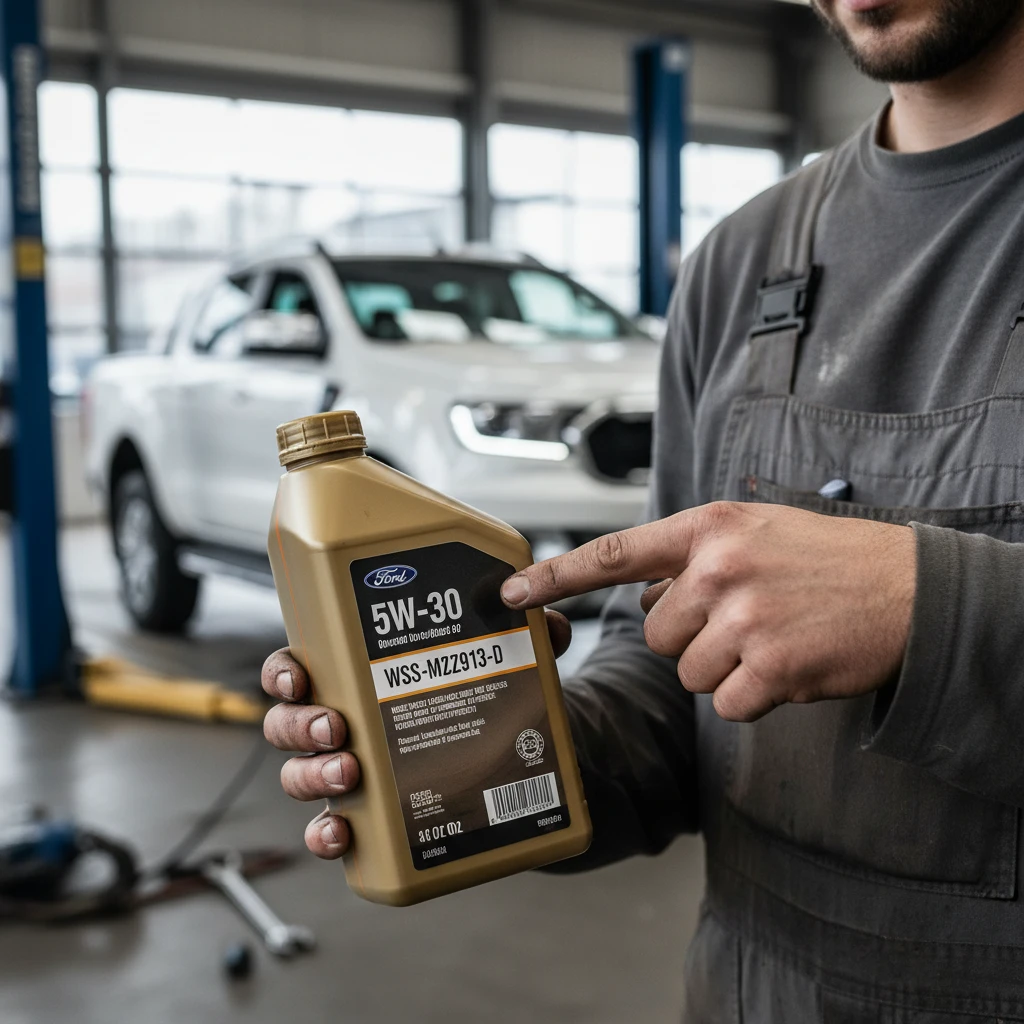
The best engine oil for Ford Ranger 3.2L and 2.2L models in New Zealand is a fully synthetic 5W-30 lubricant that strictly meets the Ford WSS-M2C913-D specification. For the newer 2.0L Bi-Turbo engines, you must use a specific 0W-30 oil adhering to the WSS-M2C950-A standard to ensure warranty compliance and turbocharger longevity.
What is the Best Engine Oil for Ford Ranger NZ?
When searching for the best engine oil for a Ford Ranger in NZ, many owners make the mistake of looking only at the viscosity (e.g., 5W-30) rather than the manufacturer specification. While viscosity dictates flow, the additive package defined by the Ford Engineering Number is what protects your engine components.
For the vast majority of Ford Rangers on New Zealand roads—specifically the PX1, PX2, and PX3 models equipped with the 3.2L Duratorq (5-cylinder) or the 2.2L Duratorq (4-cylinder)—the critical specification is WSS-M2C913-D.
Why WSS-M2C913-D Matters
This specification was introduced to supersede previous standards (913-C) and offers enhanced protection against soot handling and biodiesel compatibility. This is particularly relevant in New Zealand, where diesel quality can vary. The “D” specification ensures:
- High Shear Stability: The oil maintains its protective film even under the immense pressure of the 3.2L engine’s bearings.
- Soot Dispersion: The Duratorq engine is known to produce soot; this oil prevents sludge buildup that can block oil pickup screens.
- Fuel Economy: It is a low-friction modifier oil designed to meet Ford’s fuel efficiency targets.
Using a generic 5W-30 that does not list this specific Ford approval can lead to premature wear on the timing chain tensioners and variable geometry turbo (VGT) components.
Synthetic vs. Semi-Synthetic for the 3.2L Duratorq
A common debate among Kiwi Ranger owners is the choice between full synthetic and semi-synthetic oils. While the Ford manual allows for oils that meet the specification, the consensus among technical authorities is clear.
The Case for Full Synthetic
For the 3.2L Duratorq engine, a Full Synthetic 5W-30 is the superior choice. Synthetic base stocks provide better thermal stability. Given that many NZ Rangers are used for towing boats, caravans, or carrying heavy trade loads, the engine oil temperatures can spike significantly.
Full synthetic oils resist “cooking” inside the turbocharger bearings after a hot shutdown better than semi-synthetics. Furthermore, full synthetics flow faster on cold mornings—crucial for owners in the South Island where winter temperatures frequently drop below freezing.
Can I Use Semi-Synthetic?
You can use a semi-synthetic blend provided it meets the WSS-M2C913-D spec. However, you should strictly adhere to shorter drain intervals (e.g., 10,000km rather than 15,000km) if you are towing or off-roading. The cost saving of semi-synthetic is often negligible when compared to the long-term protection offered by a premium synthetic bundle.
Oil Requirements for the 2.0L Bi-Turbo Ranger
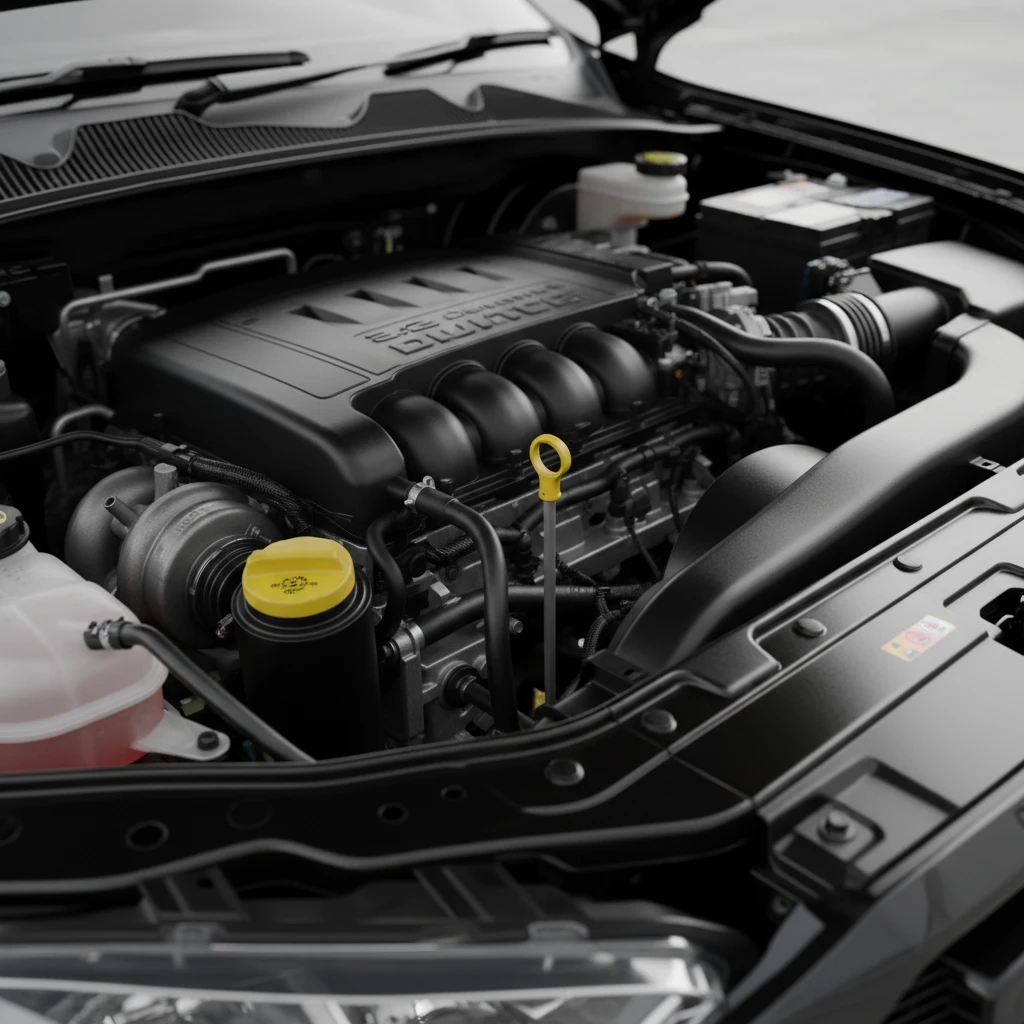
The introduction of the 2.0L Bi-Turbo engine (found in the Raptor and newer Wildtrak models) changed the game entirely. You cannot use the same oil in the 2.0L engine that you use in the 3.2L.
The WSS-M2C950-A Standard
The 2.0L engine requires a 0W-30 viscosity oil meeting specification WSS-M2C950-A. This is a low-SAPS (Sulphated Ash, Phosphorus, and Sulfur) oil designed specifically for the advanced emissions systems and the “wet belt” (oil-immersed timing belt) found in these engines.
Critical Warning: Using the older 5W-30 (913-D) oil in a 2.0L Bi-Turbo engine can cause chemical degradation of the timing belt material, leading to belt failure and catastrophic engine damage. Always verify the bundle you are buying is specific to the Bi-Turbo if you own this model.
Oil Volume Requirements by Engine Model
One of the logistical challenges of servicing a Ford Ranger is the sheer volume of oil required. Standard 5-liter containers sold at general automotive stores are rarely sufficient for a single oil change, which is why purchasing engine oil bundles (often 10L or 20L) is the most economical and practical approach.
Below are the dry fill capacities (including oil filter change) for the most common NZ models:
- 3.2L Duratorq (5-Cylinder): Requires approximately 9.8 Liters.
Recommendation: Buy a 10L Bundle or 2x 5L packs. - 2.2L Duratorq (4-Cylinder): Requires approximately 8.6 Liters.
Recommendation: Buy a 10L Bundle. - 2.0L Bi-Turbo / Single Turbo: Requires approximately 7.0 Liters.
Recommendation: Buy a 7-8L Bundle specific to 0W-30. - 3.0L V6 Diesel (Next-Gen): Requires approximately 6.5 Liters.
Choosing Oil for New Zealand Driving Conditions
New Zealand offers a unique mix of driving environments that stress engine oil differently than in other markets. Your choice of oil should reflect how you use the vehicle.
Towing and Heavy Loads
If you use your Ranger to tow a boat in the Coromandel or haul farm equipment in Canterbury, your engine operates under high load. This increases shear stress on the oil. A high-quality synthetic 5W-30 maintains its viscosity better under these high-temperature, high-torque situations, ensuring the protective film between the piston and cylinder wall doesn’t break down.
Cold Climate Starts
For owners in Otago or the Central Plateau, cold start protection is vital. 80% of engine wear occurs at startup. A 5W-30 (or 0W-30 for the Bi-Turbo) ensures the oil pumps rapidly to the top of the engine and the turbocharger immediately upon ignition, even in sub-zero temperatures.
DIY Maintenance: Filters and Intervals
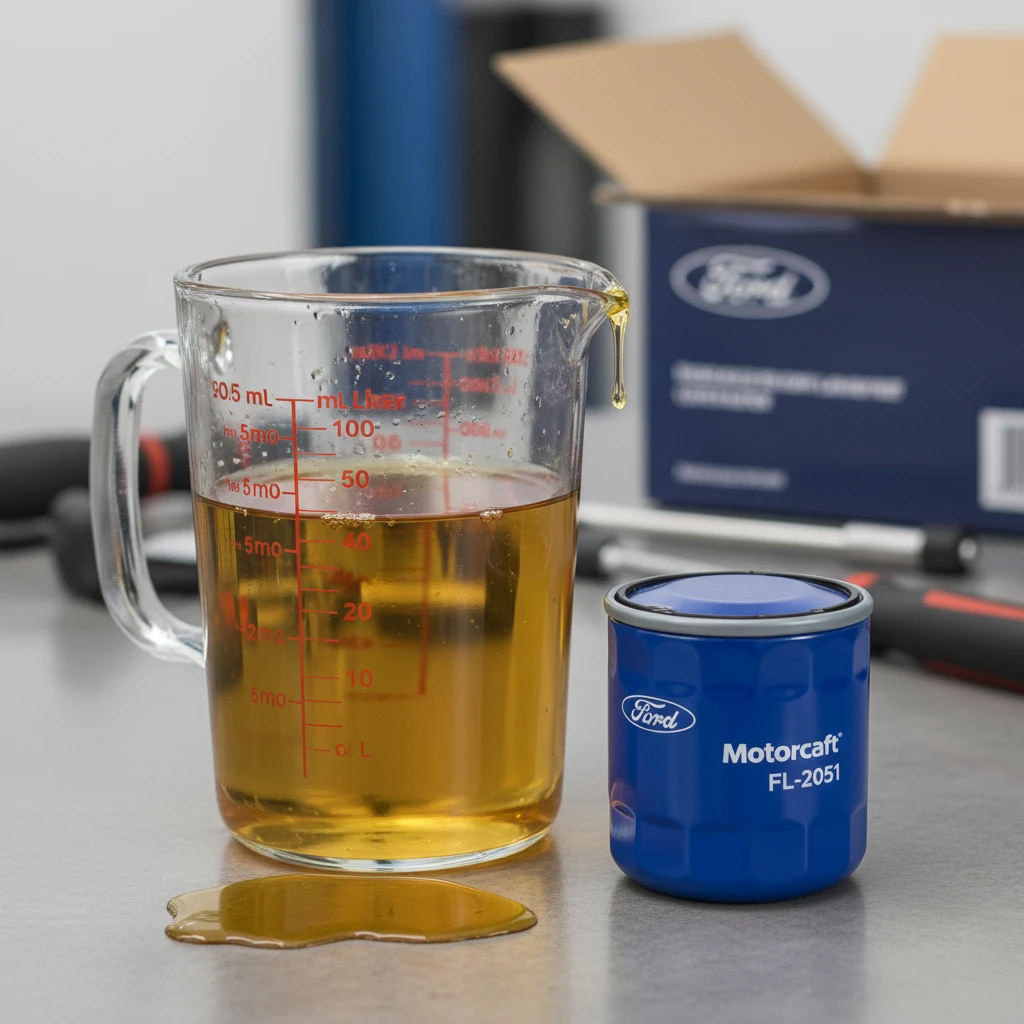
When buying an engine oil bundle, the oil filter is just as important as the fluid itself. The Ford Ranger uses a cartridge-style filter (for the 3.2L and 2.2L) that must be installed correctly to prevent leaks.
OEM vs. Aftermarket Filters
It is highly recommended to stick with Genuine Ford (Motorcraft) or reputable OEM-equivalent brands like Ryco or Mann. Cheap, low-quality filters may collapse under the high oil pressure of the Ranger engine or lack the filtration media surface area to handle the soot load between service intervals.
Service Reset Procedure
After changing your oil, don’t forget to reset the Oil Life Monitoring system. On most PX2 and PX3 models, this can be done via the instrument cluster menu or by a combination of brake and accelerator pedal presses (consult your owner’s manual for the specific sequence for your year model).

People Also Ask
How often should I change the oil in my Ford Ranger?
Ford generally recommends service intervals of 15,000km or every 12 months. However, for “severe service” conditions common in NZ (towing, off-roading, short trips), many mechanics recommend changing the oil every 10,000km to prolong engine life.
Can I use 10W-40 oil in a Ford Ranger 3.2L?
It is not recommended. While 10W-40 might be used in emergencies or very high-mileage older engines, the 3.2L Duratorq is designed for 5W-30. Using thicker oil can delay oil pressure buildup at startup, potentially causing timing chain tensioner issues.
What happens if I use the wrong oil spec in a Ranger?
Using oil that doesn’t meet WSS-M2C913-D (for 3.2L) or WSS-M2C950-A (for 2.0L) can lead to DPF (Diesel Particulate Filter) blockage, reduced fuel economy, and in the case of the 2.0L, degradation of the wet timing belt.
How much oil does a Ford Ranger 3.2L take?
The 3.2L Duratorq engine has a large capacity of approximately 9.8 liters (including the filter). You will typically need to purchase a 10-liter bundle to complete a service.
Is Castrol Magnatec good for Ford Ranger?
Yes, Castrol Magnatec Stop-Start 5W-30 A5 is a popular choice that specifically carries the Ford WSS-M2C913-D approval. Always check the back of the bottle to confirm the Ford spec matches your engine requirements.
Does the 2.0L Bi-Turbo Ranger use a wet belt?
Yes, the 2.0L EcoBlue engine utilizes an oil-immersed timing belt. This is why using the correct 0W-30 WSS-M2C950-A oil is critical; incorrect oil chemistry can cause the belt to delaminate and fail.