
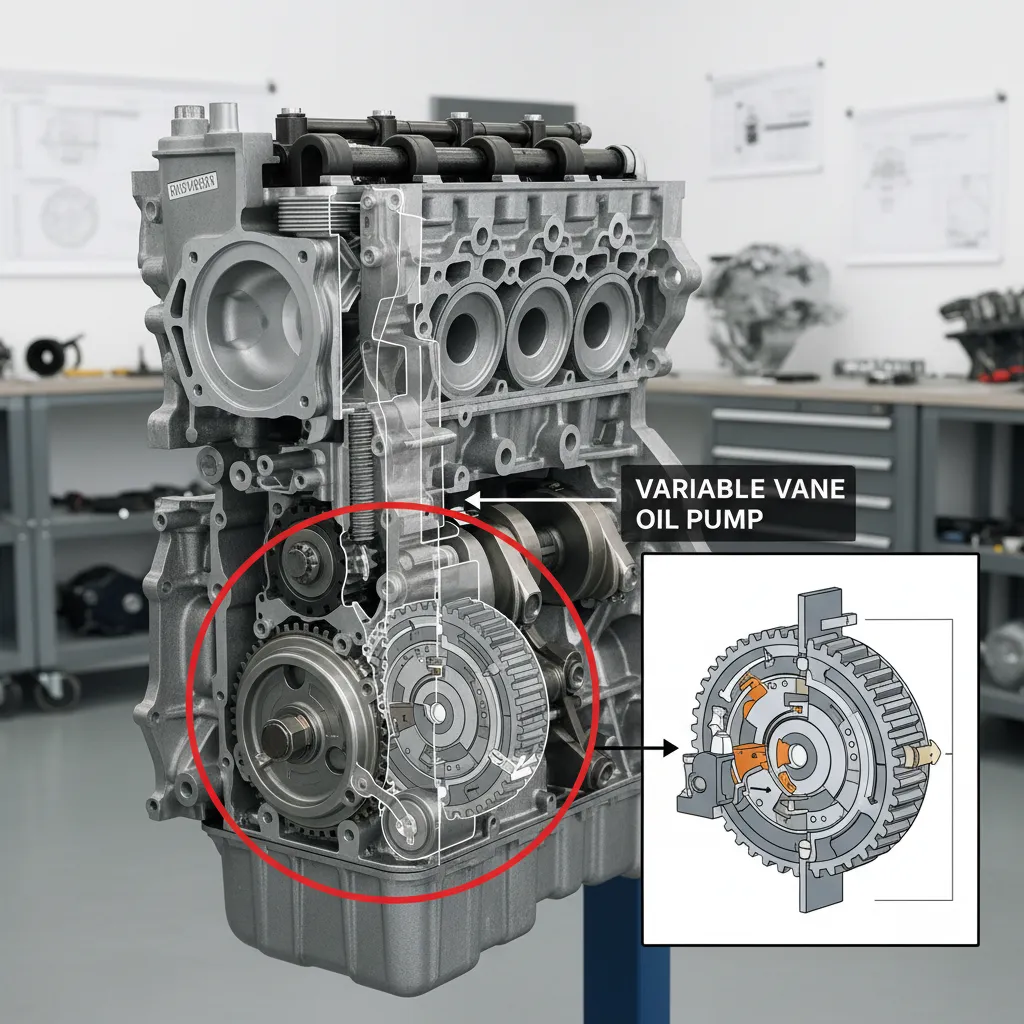
Engine Oil Pump Failure Prevention
The Ford Ranger 3.2 oil pump issue stems from the factory-fitted variable displacement vane pump losing its hydraulic prime during maintenance. If oil is drained for longer than 10 minutes, the pump may fail to self-prime upon restart, causing immediate loss of oil pressure and potential catastrophic engine seizure within seconds.
For owners of the PX1, PX2, and PX3 Ford Ranger equipped with the 3.2L Duratorq 5-cylinder engine, understanding this vulnerability is critical to vehicle longevity. While the Ranger is New Zealand’s favorite ute, this specific technical quirk has led to numerous engine replacements that could have been avoided with strict adherence to maintenance protocols.
What is the Ford Ranger 3.2 Oil Pump Issue?
The core of the issue lies in the design of the oil pump used in the 3.2L (and 2.2L) Duratorq diesel engines. Unlike traditional fixed-displacement gear pumps found in older vehicles, Ford utilized a variable displacement vane pump. This technology was chosen to improve fuel efficiency and reduce parasitic load on the engine by varying the oil pressure output based on engine RPM and load.
However, this efficiency comes with a significant trade-off: reliability during service. The vane design relies heavily on residual oil remaining inside the pump chamber to create the necessary suction (vacuum) to pull fresh oil up from the sump. If the engine oil is drained and left empty, gravity causes the oil inside the pump to drain back into the sump. Once the pump is dry, the vanes cannot create a seal against the housing wall, resulting in a failure to prime.
When a mechanic or owner restarts the engine after a prolonged drain interval, the oil pressure light may remain illuminated. If the engine is not turned off immediately, the bearings (big ends and mains) will run dry. Due to the high compression and torque of the 3.2L engine, significant damage can occur in as little as 5 to 10 seconds, leading to a seized engine requiring a complete replacement.
The Critical 10-Minute Oil Change Rule
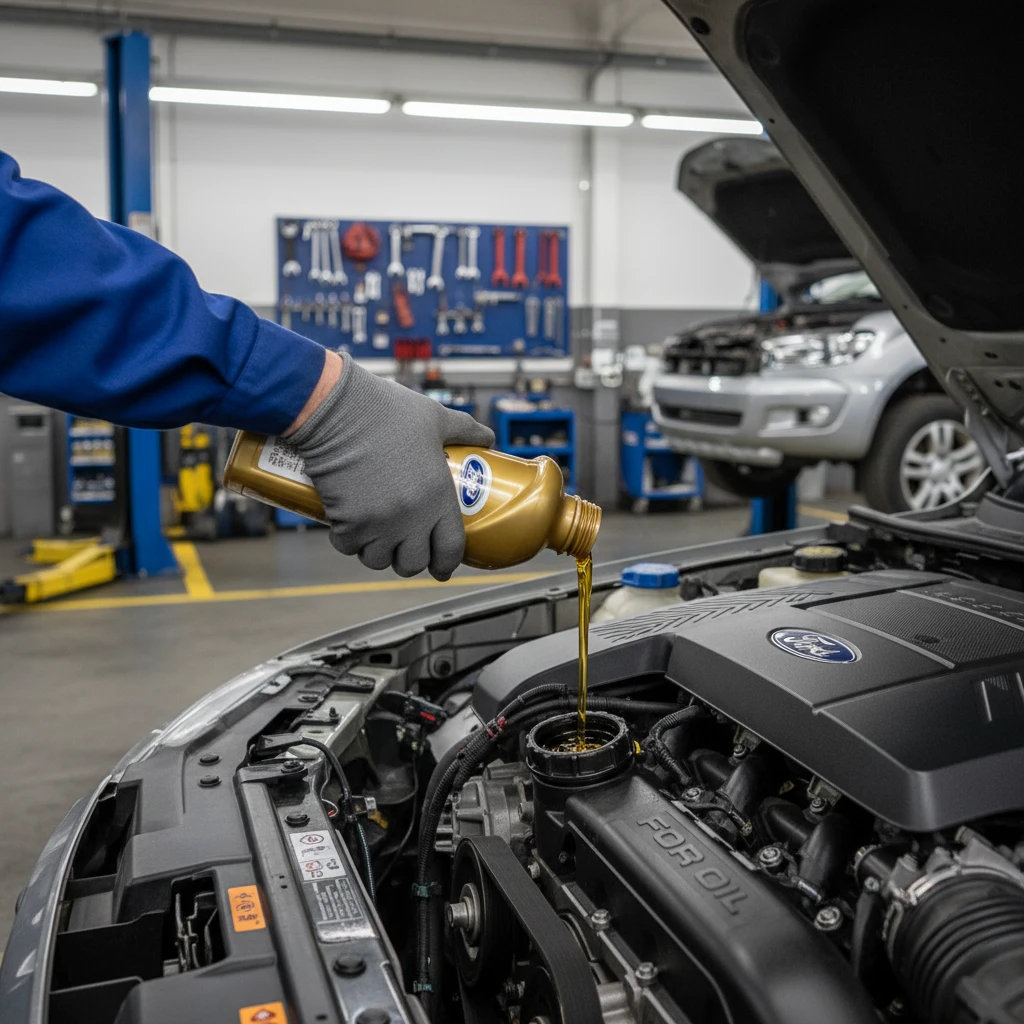
In the world of Ford Ranger maintenance, the “10-minute rule” is not a suggestion; it is a mandatory procedure to prevent engine destruction. This rule dictates that the total time the engine is left without oil—from the moment the sump plug is removed to the moment fresh oil is poured in—must not exceed 10 minutes.
Why Time is the Enemy
The variable vane pump is not a positive displacement pump in the same sense as a gear pump. It is far less effective at pumping air. When the oil drains out of the pickup tube and the pump body, the system fills with air. If the oil is replenished quickly (within 10 minutes), a film of oil remains on the vanes and housing, allowing the pump to create an immediate seal and pull the new oil up.
If you exceed this timeframe, the oil film dissipates, and the pump becomes “air-locked.” It spins, but it moves only air, unable to lift the heavy diesel engine oil from the sump.
Best Practice for Oil Changes
To adhere to this rule, professional technicians and DIY enthusiasts should follow this workflow:
- Preparation: Have the new oil, new filter, and tools ready before cracking the sump plug.
- Drain and Fill Simultaneously: Some specialists recommend having the new oil ready to pour as soon as the flow from the sump slows to a drip, rather than waiting for every last drop to drain.
- Filter Last: Change the oil filter after the sump is refilled and plugged. This minimizes the time the main galleys are exposed to air draining back.
- Do Not Walk Away: Never open the drain plug and go for a coffee break. This is the most common cause of failure in non-specialist workshops.
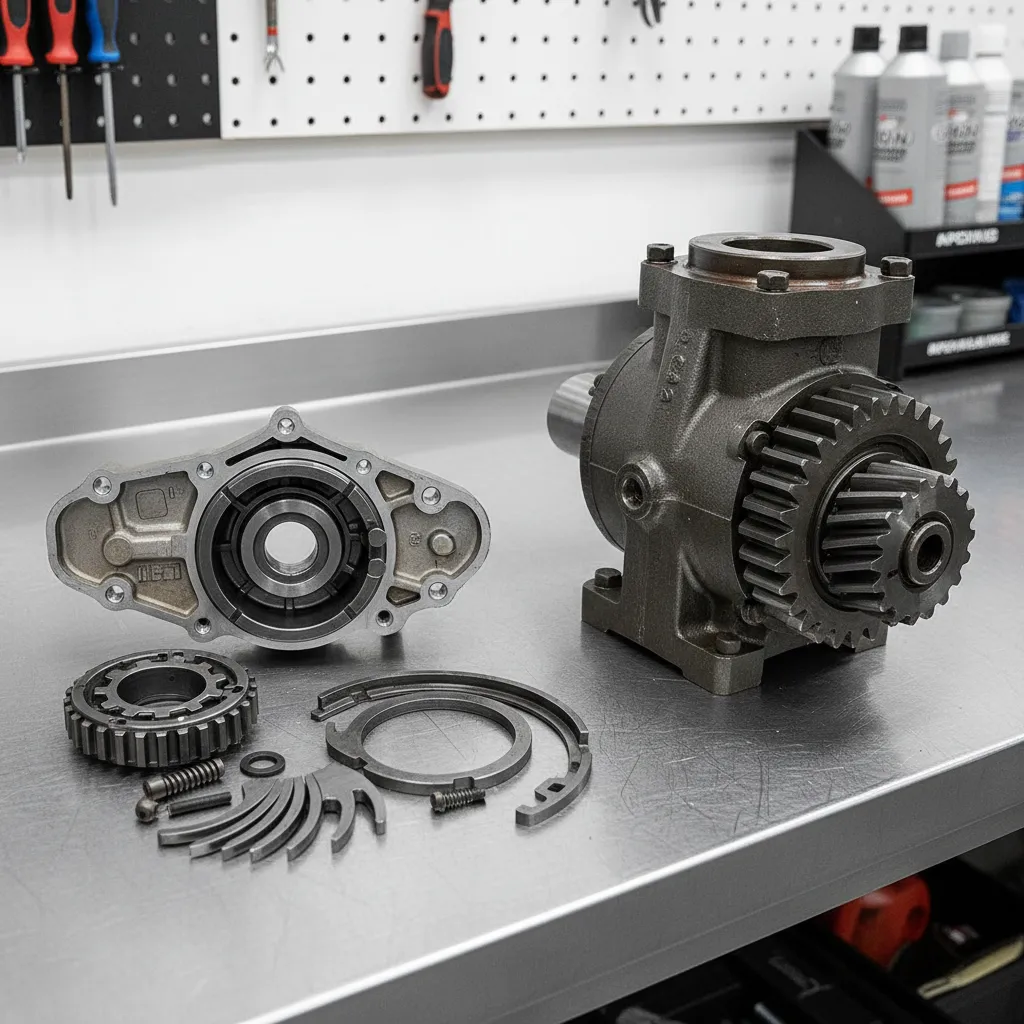
Variable Vane Pump vs. Gear Pump: The Technical Difference
Understanding the mechanical differences between the factory pump and aftermarket solutions is essential for any Ranger owner considering preventative upgrades.
The Factory Variable Vane Pump
The OEM pump features a rotor with sliding vanes that rotate inside a housing. The eccentricity of the housing can be altered (or the pressure relief varies) to change the volume of the pump chambers.
Pros: Reduces engine drag, improves fuel economy slightly.
Cons: Fragile priming characteristics, vanes can stick due to sludge build-up, susceptible to failure if run dry.
The Gear Pump (Aftermarket Upgrade)
Many New Zealand engine specialists recommend converting to a gear-driven pump, similar to those used in the Ford Transit or older robust diesels. A gear pump uses two meshed gears to force oil through the system.
Pros: extremely robust self-priming capabilities, consistent pressure, simple design with fewer moving parts.
Cons: Marginally higher parasitic load on the engine (negligible in real-world driving).
The shift toward gear pumps in the aftermarket sector is a direct response to the fragility of the vane design. For a workhorse vehicle like the Ranger, reliability usually trumps the fractional fuel savings offered by the vane pump.
Symptoms of Impending Oil Pump Failure
While the “no prime” issue is sudden, a failing pump can sometimes show signs before it completely gives up. Being vigilant can save you thousands of dollars.
- Delayed Oil Pressure Light: If the oil pressure warning light takes longer than 2-3 seconds to extinguish on a cold start, this is a major red flag. It indicates the oil is draining back to the sump overnight, suggesting the pump is worn or internal seals are failing.
- Engine Ticking Noise: A lack of oil pressure at the top of the engine (valve train) will result in loud tappet noise or ticking immediately after startup.
- Erratic Pressure Readings: If you have an aftermarket oil pressure gauge installed (highly recommended for Ranger owners), watch for fluctuations at steady RPMs.
Critical Maintenance to Avoid Engine Seizure
Beyond the 10-minute rule, general maintenance habits play a massive role in the longevity of the Ford Ranger 3.2L oil pump.
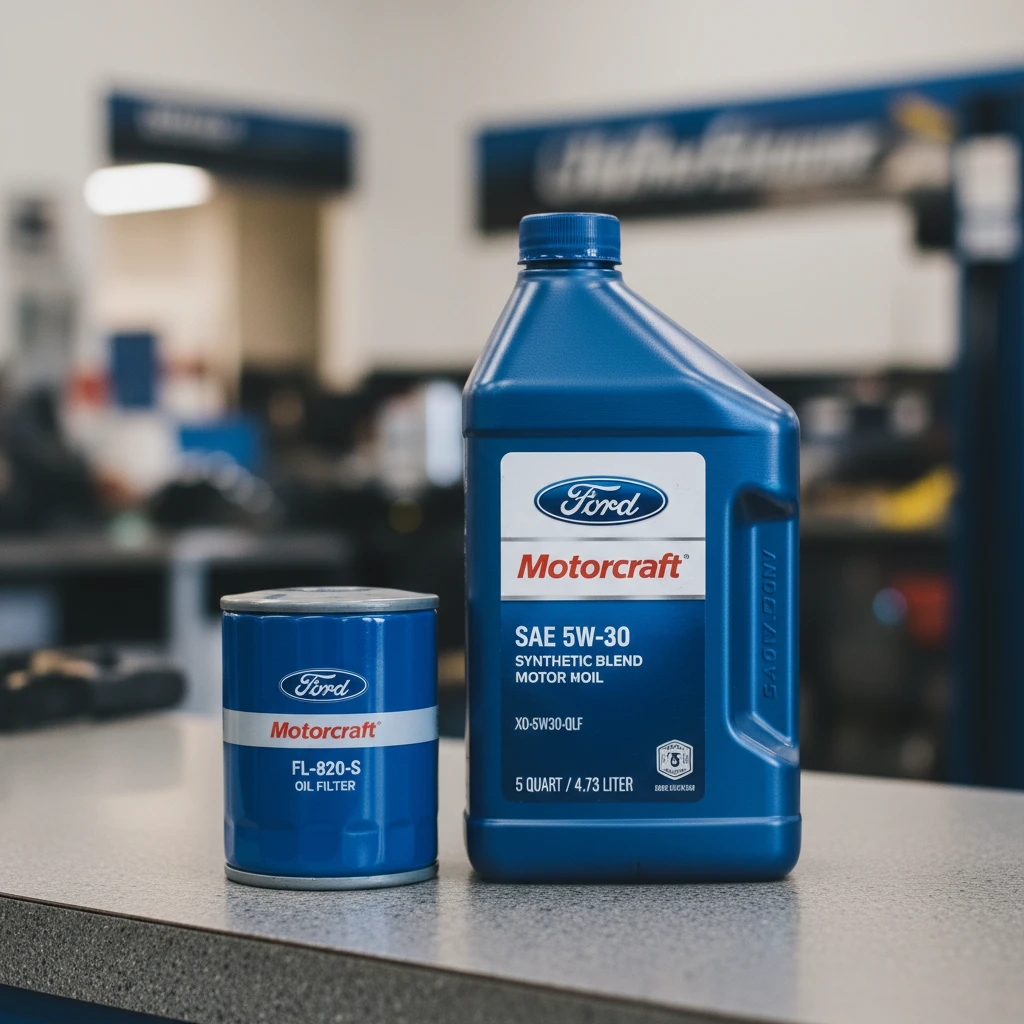
1. Use Genuine Ford Filters
The oil filter housing on the 3.2L engine contains a specific drain-back valve mechanism. Many cheap aftermarket filters do not meet the exact tolerances required to keep this valve functioning correctly. If the valve fails, oil drains out of the filter housing when the engine is off, increasing the time it takes to build pressure on startup.
2. Adhere to Oil Specifications
Using the correct viscosity oil (typically 5W-30 meeting Ford specification WSS-M2C913-D) is non-negotiable. Heavier oils may not circulate quickly enough during cold starts, while incorrect additives can lead to sludge that causes the sliding vanes in the pump to stick.
3. Reduce Service Intervals
While the factory service interval might be 15,000km or more, New Zealand driving conditions—often involving towing, hills, and stop-start traffic—are classified as “severe.” Reducing oil change intervals to 10,000km ensures the oil remains clean and free of sludge, protecting the delicate internal components of the vane pump.
Correct Priming Procedures for Mechanics
If you suspect the oil change took longer than 10 minutes, or if you are replacing the oil pump, you must not simply start the engine. You must manually prime the system.
How to Prime the Ford Ranger Oil System?
The safest method involves pressurizing the sump or injecting oil directly into the oil galleries before cranking. However, a common workshop method involves:
- Locating the priming port (often near the oil filter housing or cooler).
- Injecting clean engine oil into the gallery to wet the pump vanes.
- Cranking without Starting: Disconnect the crank angle sensor or fuel injectors to prevent the engine from firing. Crank the engine in short bursts until the oil pressure light extinguishes. This confirms the pump has picked up oil and purged the air without the load of combustion on the bearings.
Should You Upgrade to an Aftermarket Gear Pump?
This is the most common question asked by owners out of warranty. If your Ranger has covered over 150,000km and you are planning preventative maintenance (such as a timing cover reseal or timing chain replacement), replacing the factory vane pump with a billet gear pump kit is a wise investment.
The gear pump conversion eliminates the risk of de-priming. It provides peace of mind, especially for those who travel into remote parts of New Zealand where a seized engine means a helicopter recovery. However, ensure you source kits from reputable suppliers who specialize in Ford Rangers to ensure proper fitment and pressure relief valve settings.
Conclusion
The Ford Ranger 3.2L is a formidable machine, but the oil pump remains its Achilles’ heel. By strictly adhering to the 10-minute oil change rule, using genuine parts, and understanding the symptoms of pressure loss, you can mitigate the risk of failure. For long-term owners, investigating a gear pump conversion offers the ultimate insurance against the notorious “heart attack” failure mode. Treat your Ranger with the technical respect it demands, and it will serve you reliably for years to come.
People Also Ask
How long does a Ford Ranger 3.2 oil pump last?
The factory variable vane oil pump is designed to last the life of the engine, typically over 250,000km, provided maintenance is perfect. However, failures can occur much earlier (around 100,000km – 150,000km) if oil changes are neglected, incorrect oil is used, or the 10-minute drain rule is ignored.
Can you change the oil pump on a Ford Ranger without removing the engine?
Yes, it is possible to change the oil pump with the engine in the vehicle, but it is a labor-intensive job. It requires removing the sump (oil pan), which on 4×4 models involves dropping the front differential and steering rack to gain access. It is a major service procedure.
What is the oil capacity of the Ford Ranger 3.2 diesel?
The Ford Ranger 3.2L (P5AT) engine has an oil capacity of approximately 9.8 liters (including the filter). Because of this large volume, draining takes time, but you must ensure the new oil is ready to go immediately to meet the 10-minute safety window.
Does the Ford Ranger 2.2 have the same oil pump issue?
Yes, the Ford Ranger 2.2L Duratorq engine shares a very similar variable vane oil pump design and is subject to the same priming risks and the 10-minute oil change rule as the 3.2L version.
How do I know if my oil pump is failing?
Warning signs include the oil pressure light staying on for more than 3 seconds after startup, ticking noises from the engine (valve train), or the vehicle entering ‘Limp Mode’. If the oil light comes on while driving, pull over immediately and turn off the engine.
Is the gear pump upgrade worth it for the Ford Ranger?
For many owners, yes. The gear pump upgrade removes the variable vane mechanism, which is the primary point of failure regarding self-priming. It is considered a “fit and forget” solution that significantly improves reliability, especially for vehicles out of factory warranty.