
Filter Sets: Air, Fuel, Oil & Cabin
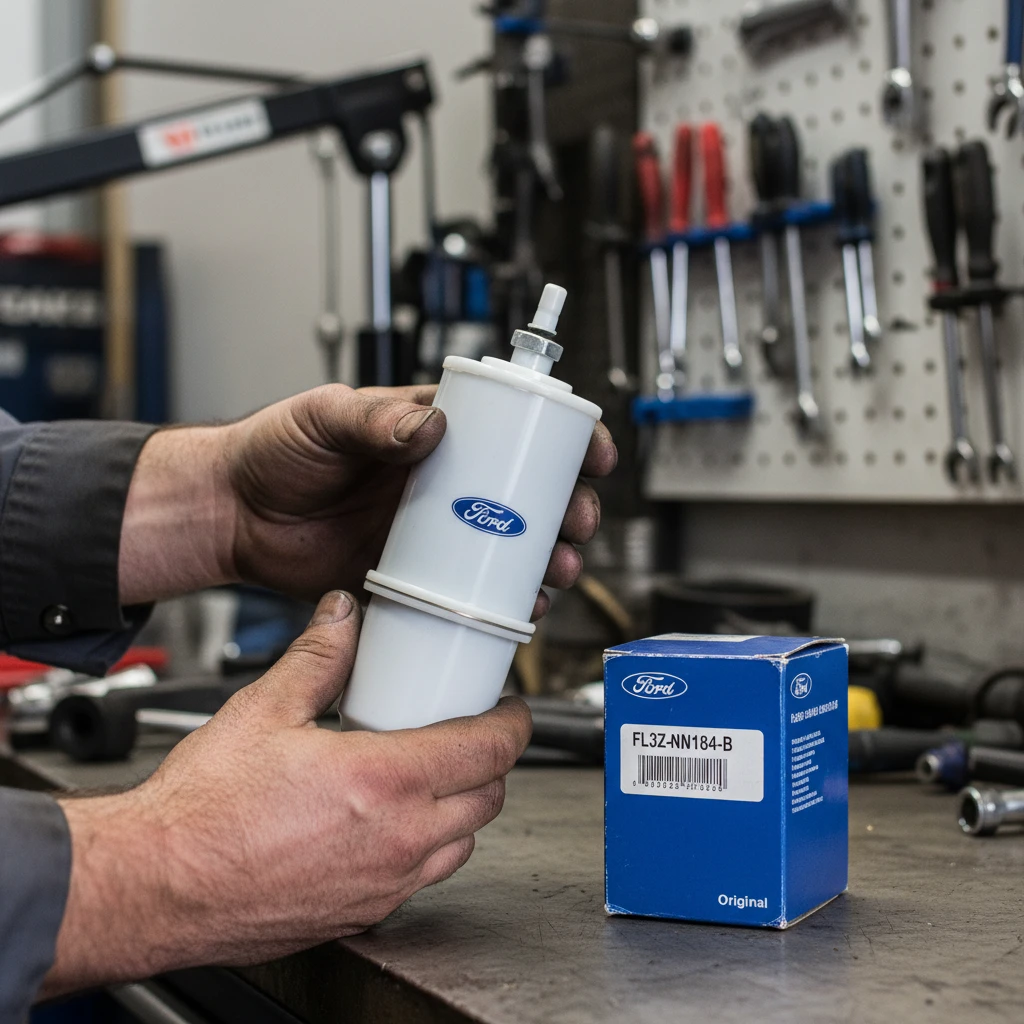
The correct Ford Ranger fuel filter part number for NZ models depends on the engine generation. For the PX1 and PX2 (3.2L/2.2L) models, the genuine part number is typically AB39-9176-AC. For the PX3 and Next-Gen (2.0L Bi-Turbo) models, the part number is usually JB3G-9176-AA. Always verify against your specific VIN to ensure compatibility with the Common Rail Diesel system.
Ford Ranger Fuel Filter Part Numbers: The NZ Master List
When servicing a Ford Ranger in New Zealand, identifying the correct Ford Ranger fuel filter part number NZ is the first critical step. The Ranger platform has evolved significantly from the PJ/PK era through the T6 (PX) series and into the Next-Gen models. Each engine configuration requires specific filtration tolerances to protect the high-pressure fuel pump and injectors.
Below is a breakdown of the genuine Motorcraft and Ford part numbers commonly used in the New Zealand market. While aftermarket alternatives like Ryco are popular, genuine parts remain the gold standard for warranty retention and micron-efficiency.
PX1 & PX2 (2011–2018) – 3.2L & 2.2L Duratorq
The 3.2L 5-cylinder engine is the workhorse of the NZ fleet. These fuel systems are robust but highly susceptible to water contamination.
- Genuine Ford Element: AB39-9176-AC (often superseded, check latest revision)
- Ryco Equivalent: R2724P
- Key Feature: This is a cartridge-style filter that sits inside a plastic housing. Care must be taken not to crack the plastic bowl during removal.
PX3 (2018–2022) – 2.0L Bi-Turbo & Single Turbo
The introduction of the 2.0L EcoBlue engine brought tighter tolerances and higher fuel rail pressures.
- Genuine Ford Element: JB3G-9176-AA
- Ryco Equivalent: R2848P
- Key Feature: Often located in a more difficult-to-access position near the chassis rail on some configurations; requires specific priming procedures to avoid air locks.
Next-Gen Ranger (2022+) – V6 & 2.0L
The newest generation utilizes advanced filtration to meet Euro 6 emissions standards.
- V6 3.0L Diesel: Check VIN (Part numbers are rapidly being updated by Ford NZ).
- 2.0L Bi-Turbo: Generally carries over the JB3G architecture, but confirm with a dealer.
The Danger of Cheap Fuel Filters on Common Rail Diesels
In the New Zealand market, there is an influx of “white box” or unbranded filters available online for a fraction of the price of genuine Motorcraft or reputable aftermarket brands like Ryco or Donaldson. While saving $40 on a service might seem appealing, the mathematics of risk suggests this is a catastrophic error for Common Rail Diesel (CRD) owners.
Understanding Micron Ratings and Tolerances
Modern Ford Ranger injectors operate at pressures exceeding 25,000 to 30,000 PSI. At these pressures, a microscopic particle of dust or a droplet of water acts like a bullet. Genuine Ford filters are engineered with a specific micron rating—usually between 2 and 5 microns for the final stage—to capture these contaminants.
Cheap filters often utilize inferior cellulose media with inconsistent pore sizes. If a filter allows 10-micron particles to pass, those particles can score the injector pintle or the high-pressure pump surfaces. This leads to:
- Injector dribble: Causing melted pistons due to incorrect spray patterns.
- Return flow issues: Preventing the vehicle from starting.
- Pump disintegration: Sending metal filings through the entire fuel system (a repair often costing upwards of $10,000 NZD).
Hydrophobic Capabilities and Water Separation
Diesel fuel in New Zealand can vary in quality, and condensation in tanks is common due to our climate. The primary job of the fuel filter in a Ranger is not just filtering solids, but separating water. Genuine filters use media with a hydrophobic coating that repels water, allowing it to settle in the sediment bowl where the “Water in Fuel” sensor can detect it.
Budget filters frequently lack this hydrophobic chemical treatment. Consequently, emulsified water passes straight through the filter media and into the high-pressure pump. Water provides no lubrication (unlike diesel), leading to immediate metal-on-metal wear and catastrophic pump failure.
Complete Filter Sets: Oil and Maintenance Strategy
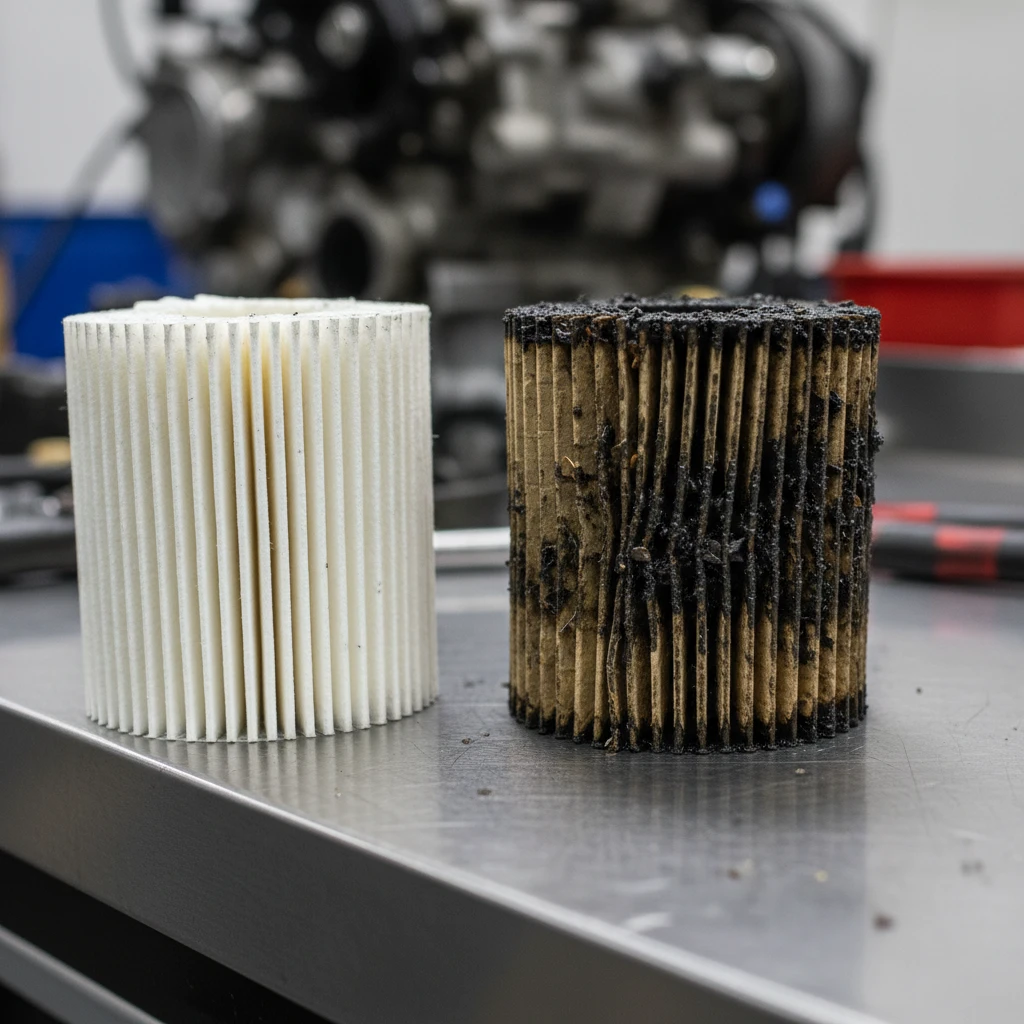
While the fuel filter is the guardian of the fuel system, a holistic maintenance approach requires attention to oil filtration as well. The Ford Ranger, particularly the 3.2L, relies on oil pressure not just for lubrication, but for the operation of hydraulic chain tensioners.
The Role of the Anti-Drain Back Valve
When selecting an oil filter (Part Number: BB3Q-6744-BA for PX1/PX2), the quality of the anti-drain back valve is paramount. This valve prevents oil from draining out of the filter and back into the sump when the engine is turned off. Upon restarting, a high-quality valve ensures immediate oil pressure reaches the top of the engine (camshafts and turbo bearings).
Inferior filters with stiff or ill-fitting silicone valves allow oil to drain away. This results in a “dry start” every morning—that rattling sound you might hear for 2-3 seconds. Over time, this significantly shortens the life of timing chain tensioners and turbochargers.
High-Flow Air Filter Options for NZ Conditions
New Zealand’s driving conditions are unique. A Ranger might spend Monday to Friday on Auckland motorways and the weekend crossing riverbeds in the South Island or tackling dusty forestry roads. This duality presents a challenge for air filtration.
Paper vs. Cotton Gauze (Oiled)
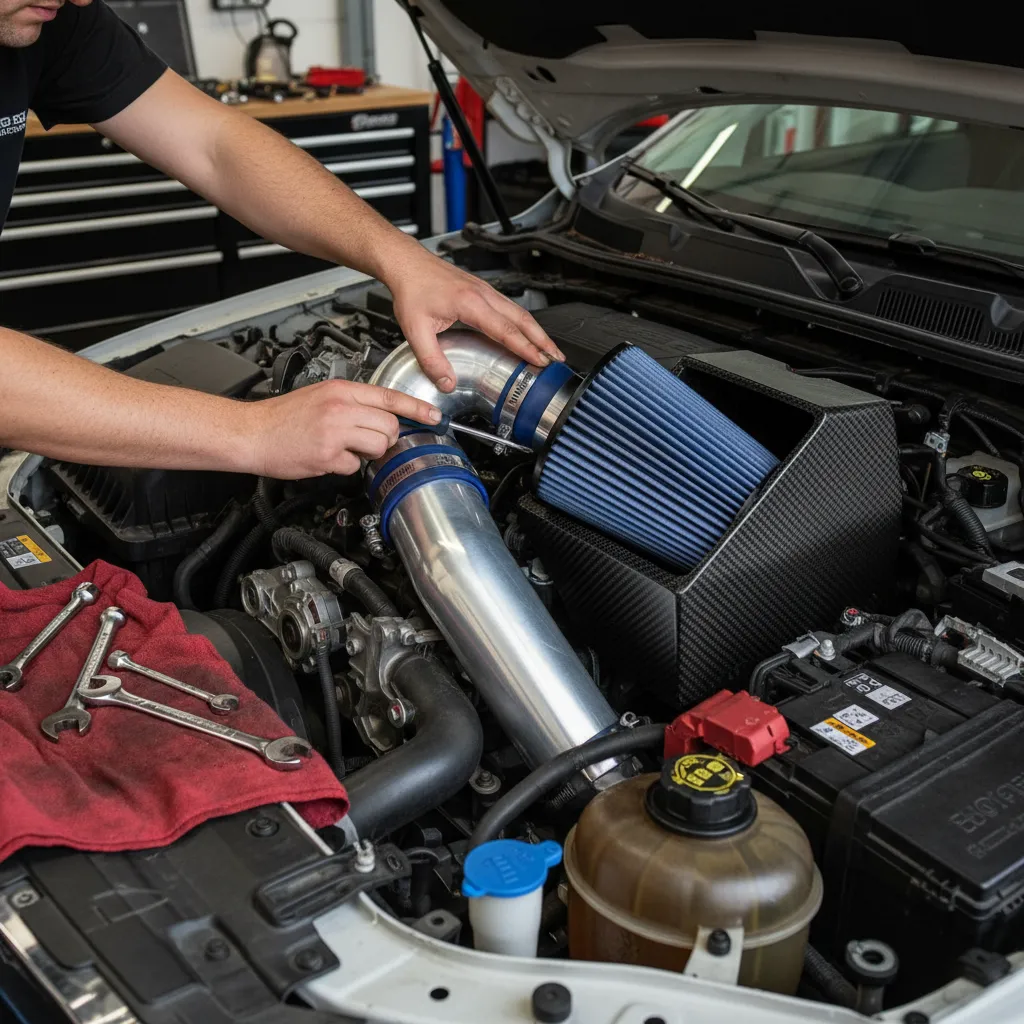
Many enthusiasts look to upgrade to high-flow filters (like K&N) to reduce restriction and potentially gain throttle response. However, for a 4WD used in NZ conditions, this requires careful consideration.
Standard Paper Filters (Genuine): Designed to capture 99.9% of dust particles. They are restrictive but safe. In high-dust environments (gravel roads), they clog quickly but protect the turbo vanes from “dusting” (erosion).
High-Flow Oiled Filters: These use cotton gauze and oil to trap dirt. While they flow better, their filtration efficiency can be lower, sometimes around 97-98%. In a high-dust environment, that small percentage difference allows fine silica dust to enter the intake. This dust mixes with oil vapor from the PCV system, creating a grinding paste that wears down turbo compressor wheels and cylinder walls.
The Verdict: If your Ranger is a tarmac queen, a high-flow filter is acceptable. If you drive on NZ gravel roads, stick to genuine paper filters or high-quality foam filters that are regularly serviced.
Activated Carbon Cabin Filters: Why Upgrade?
Often overlooked, the cabin filter (pollen filter) is the only barrier between the outside air and your lungs. In the Ford Ranger, this is located behind the glovebox. The standard genuine part is usually a simple particulate filter.
The Carbon Advantage
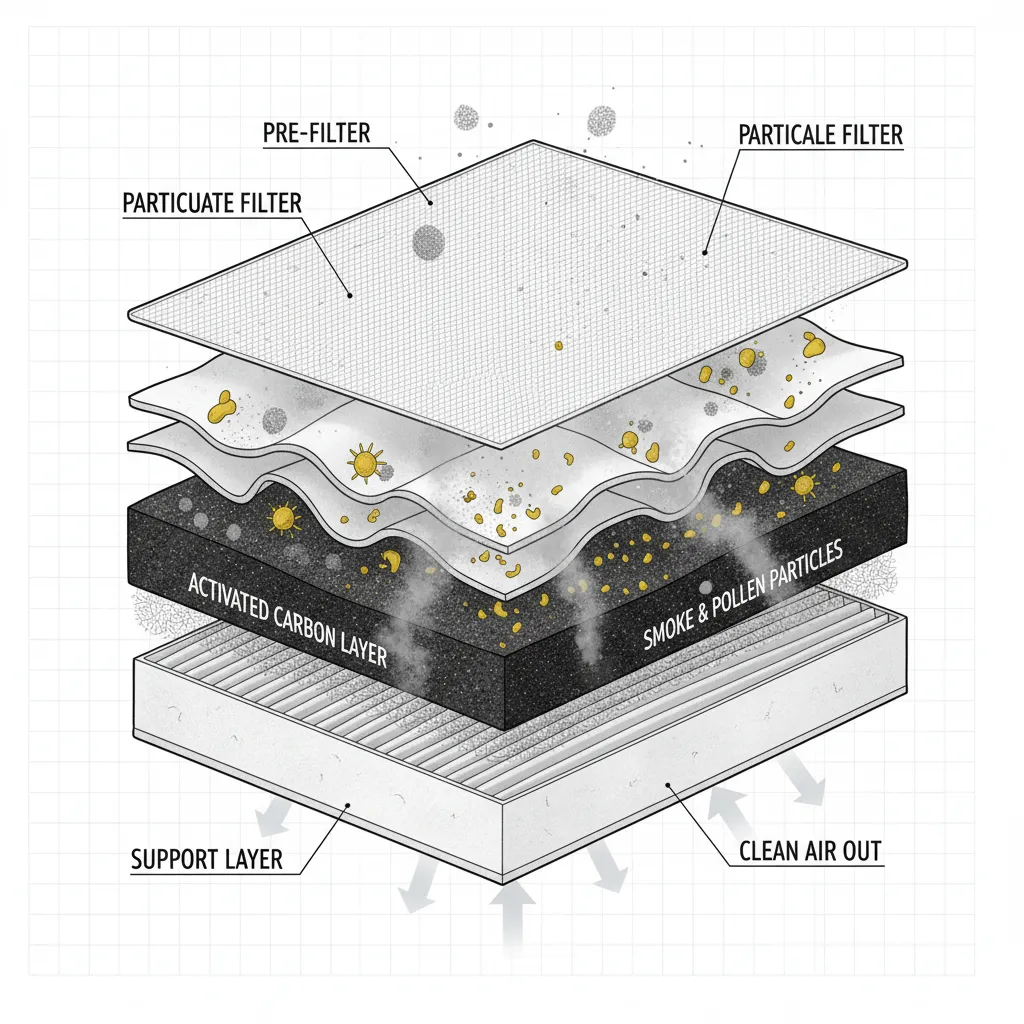
Upgrading to an Activated Carbon Cabin Filter is highly recommended for NZ drivers. Unlike standard paper filters that only trap dust and pollen, activated carbon filters contain a layer of charcoal.
- Odor Elimination: Carbon neutralizes smells from livestock trucks, silage, or exhaust fumes in heavy traffic.
- Gas Adsorption: It adsorbs harmful gases like nitrogen dioxide and ozone.
- Allergy Relief: For hay fever sufferers, the finer filtration mesh combined with carbon provides superior protection against spores.
Given the ease of installation (a 5-minute job requiring no tools on most Rangers), upgrading to a carbon filter is one of the most cost-effective comfort modifications you can make.
Installation & System Priming: Critical Steps
Knowing the Ford Ranger fuel filter part number NZ is only half the battle. Installing it incorrectly can leave you stranded. The Ranger’s fuel system is not self-priming in the traditional sense on all models.
The PX1/PX2 Priming Procedure
If you change the fuel filter on a 3.2L Ranger and simply try to crank the engine, you will introduce air into the high-pressure pump. Once the pump runs dry, it is incredibly difficult to re-prime and can cause damage.
- Install the Filter: Lubricate the O-ring with fresh diesel and tighten the housing to the specified torque.
- Ignition Cycling: Turn the ignition to ‘ON’ (do not crank) for 30 seconds. Listen for the lift pump (in-tank) to run. Turn off. Repeat this process 6 to 10 times.
- Start: Attempt to start the engine. If it fires, hold the revs at 2000 RPM for 30 seconds to force any remaining air bubbles through the return line.
Note: Some earlier PX1 models do not have an in-tank electric lift pump. These require a manual hand primer bulb to be connected in-line to draw fuel through before starting.
Frequently Asked Questions
What is the Ford Ranger fuel filter change interval in NZ?
Ford NZ typically recommends fuel filter replacement every 30,000km or every second service. However, given the variability of diesel quality in remote NZ areas, many diesel specialists recommend shortening this to every 15,000km or 20,000km to ensure maximum injector protection.
Can I use a Ryco fuel filter instead of Genuine Ford?
Yes, Ryco filters are a reputable aftermarket option in New Zealand and generally meet or exceed OEM specifications. The Ryco Z980 (kit) or R2724P (element) are common equivalents. However, for vehicles under factory warranty, using Genuine Ford parts eliminates any potential disputes regarding warranty claims related to the fuel system.
How do I reset the fuel filter warning light on a Ford Ranger?
On PX2 and PX3 models, you can usually reset the service reminder via the instrument cluster menu under ‘Settings’ > ‘Vehicle Maintenance’. Alternatively, a common manual method involves holding the brake and accelerator pedals down simultaneously for 20 seconds with the ignition on (engine off) until the service light flashes and resets.
What are the symptoms of a blocked fuel filter in a Ranger?
Common symptoms include a loss of power (limp mode), hesitation during acceleration, rough idling, or the engine stalling shortly after starting. You may also see a “Water in Fuel” warning light on the dashboard if the separator bowl is full.
Do Next-Gen Rangers require special tools for fuel filter changes?
The Next-Gen Ranger (2022+) generally requires standard tools, but the location can be tight. A strap wrench or a specific oil filter cup socket sized for the fuel filter housing cap is highly recommended to avoid rounding off the plastic hex head on the housing lid.
Where can I buy genuine Ford Ranger filters in NZ?
Genuine filters can be purchased directly from any Ford dealership parts counter throughout New Zealand. Additionally, several specialized online auto parts retailers in NZ stock genuine Motorcraft parts, often at slightly more competitive rates than walk-in dealership pricing.