
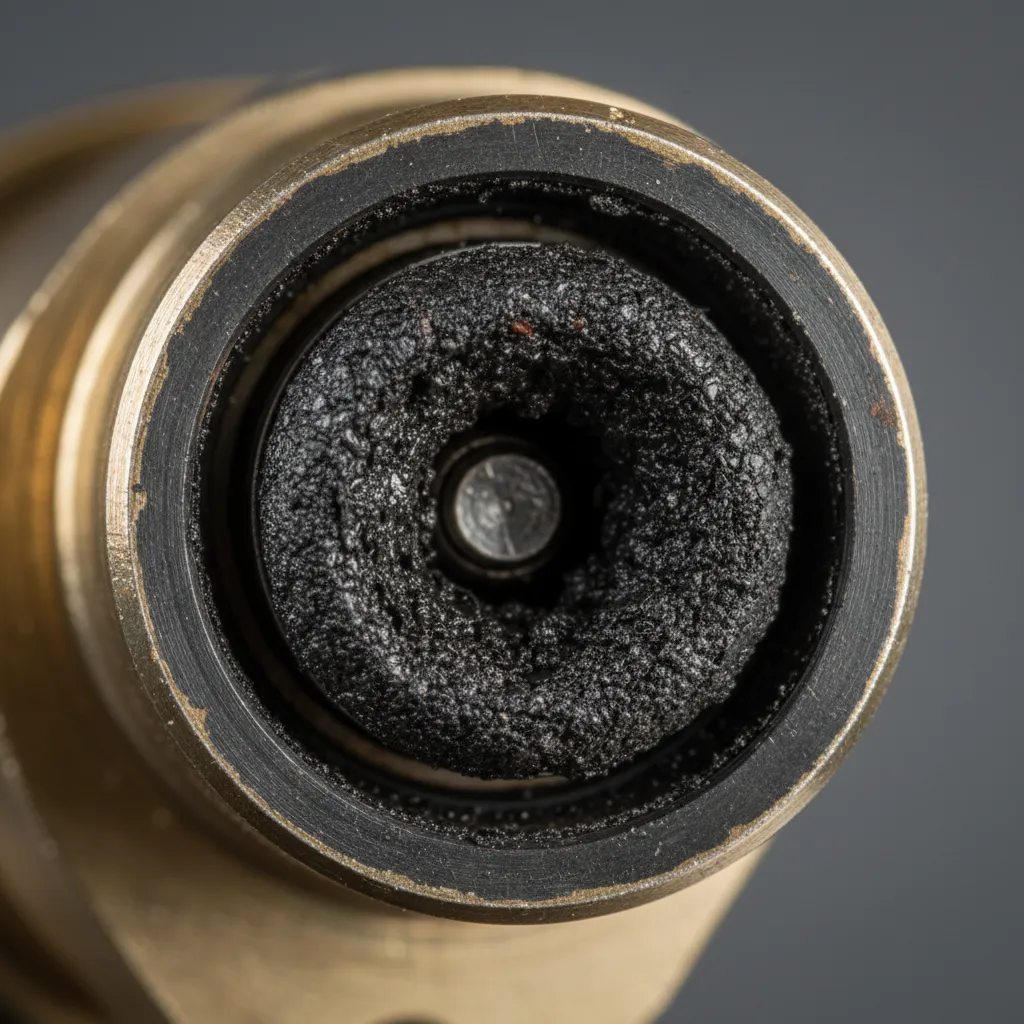
Fuel Injector Troubleshooting & Spares
Ford Ranger injector rattle is typically caused by a failure in the pilot injection phase, resulting in excessive pre-ignition noise known as diesel knock. This issue often stems from internal injector wear, carbon buildup, or faulty fuel rail pressure sensors sending incorrect data to the ECU, requiring calibration or replacement.
For New Zealand Ford Ranger owners—specifically those driving the PX1, PX2, and PX3 models equipped with the 3.2L Duratorq or the 2.0L Bi-Turbo engines—a distinct rattling noise under load is a source of significant anxiety. It is not merely an auditory annoyance; it is often the canary in the coal mine for the high-pressure common rail diesel system. The “Ranger Rattle” is a well-documented phenomenon in the NZ market, often exacerbated by varying fuel quality and heavy towing loads common in our terrain.
Ignoring this rattle can lead to catastrophic engine failure, including cracked pistons due to incorrect thermal management within the combustion chamber. This guide serves as a technical authority on diagnosing the root cause, understanding the critical role of ECU coding, and sourcing the correct genuine spares to resolve the issue permanently.
Diagnosing Injector Rattle: Pilot Injection Failure
To understand why your Ford Ranger is rattling, you must first understand how a modern Common Rail Diesel (CRD) injector operates. Unlike older mechanical diesels that injected fuel in one large burst, the piezoelectric or solenoid injectors in your Ranger perform multiple injection events per combustion cycle. The most critical of these for noise control is the Pilot Injection.
What is Pilot Injection?
Pilot injection is a microscopic spray of diesel introduced into the cylinder microseconds before the main fuel charge. This small amount of fuel ignites first, raising the cylinder temperature and pressure gradually. This “pre-burn” cushions the explosion of the main injection. When pilot injection fails or timing drifts, the main fuel charge ignites in a cold, low-pressure environment, resulting in a violent explosion. This rapid pressure spike creates the metallic “clatter” or rattle you hear, technically referred to as Diesel Knock.
Symptoms of Injector Failure vs. Normal Operation
It is important to distinguish between the normal acoustic characteristics of a diesel engine and a pathological rattle. Diagnosing the issue requires listening for specific auditory cues under varying conditions:
- Cold Start Clatter: A slight rattle for the first 30-60 seconds on a cold New Zealand winter morning is generally acceptable. The oil is thick, and the combustion chambers are cold. However, if the noise persists once the coolant temperature reaches operating range, you have a problem.
- The 1500-2500 RPM Rattle: This is the hallmark of the Ford Ranger injector issue. When accelerating lightly or maintaining speed between 1500 and 2500 RPM, you hear a distinct metallic ticking or rattling similar to loose tappets. This indicates the injectors are struggling to deliver the precise pilot dose required for that specific load.
- Smoke Output: White smoke at idle often indicates unburnt fuel due to a leaking injector (dribbling), while black smoke under load suggests over-fueling or air intake restrictions.
- Rough Idle: If the vehicle shakes or hunts for revs at traffic lights, the ECU is likely struggling to balance the idle quantity across all cylinders due to injector variance.
The Hidden Culprit: Fuel Rail Pressure Sensor Issues
Before spending thousands on a new set of injectors, it is imperative to rule out the Fuel Rail Pressure (FRP) sensor. In the Ford Ranger 3.2L and 2.2L engines, the FRP sensor is a common failure point that mimics injector failure symptoms perfectly.
The FRP sensor tells the Engine Control Unit (ECU) exactly how much pressure is in the common rail (up to 30,000 PSI or more). The ECU uses this data to calculate exactly how long to open the injectors. If the sensor is reading slightly low (drifting), the ECU will command the High-Pressure Fuel Pump to work harder, raising the actual rail pressure above the target.
How a Faulty Sensor Causes Rattle
If the rail pressure is physically higher than what the ECU thinks it is, when the injector opens for the commanded duration, too much fuel is injected. This excessive fueling, particularly during the pilot phase, causes the violent combustion rattle. Diagnostics via a scan tool (like FORScan or IDS) are essential here. You need to compare “Desired Fuel Rail Pressure” against “Actual Fuel Rail Pressure.” However, if the sensor itself is biased, the “Actual” reading will be wrong.
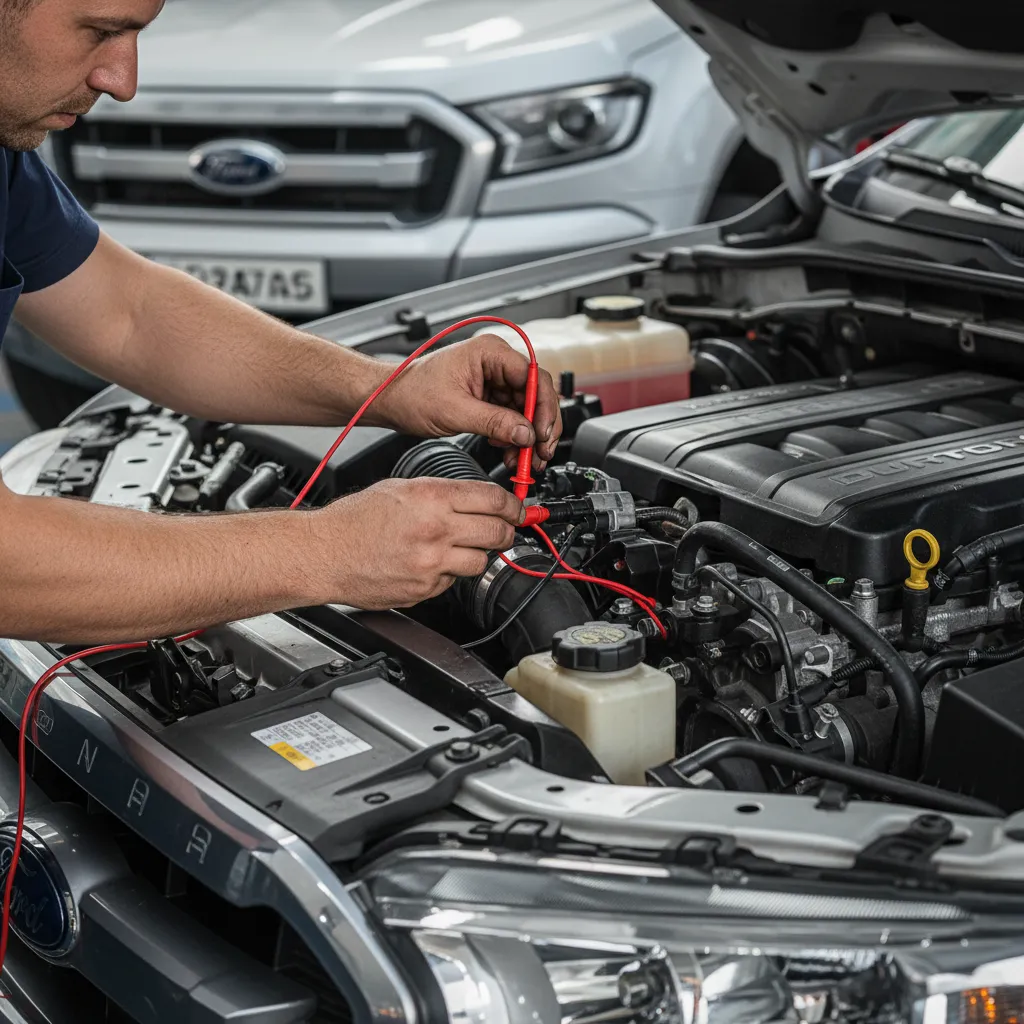
Pro Tip: In NZ, we often see corrosion on the FRP sensor connector pins due to humidity or engine bay washing. Check the connector for green corrosion before replacing the sensor.
Coding New Injectors to the ECU
One of the most common mistakes DIY mechanics and generalist workshops make is physically installing new injectors without updating the ECU. Modern Common Rail injectors are manufactured to extremely tight tolerances, but they are not identical. During manufacturing, each injector is tested, and its flow characteristics deviate slightly from the theoretical “perfect” injector.
Understanding IQA Codes
To account for these manufacturing variances, each injector is assigned an Injector Quantity Adjustment (IQA) code. On a Ford Ranger, this is typically a long alphanumeric code printed on the head of the injector. This code is a mathematical map that tells the ECU how to adjust the electrical pulse width to achieve the exact intended fuel delivery for that specific unit.
If you install Injector A into Cylinder 1 but leave the ECU programmed with the code for the old injector, the fueling will be incorrect. The ECU might think it needs to add 5% more pulse width to compensate for a “weak” old injector, but the new injector flows perfectly. The result? Over-fueling, massive rattle, and potential piston damage.
The Coding Process
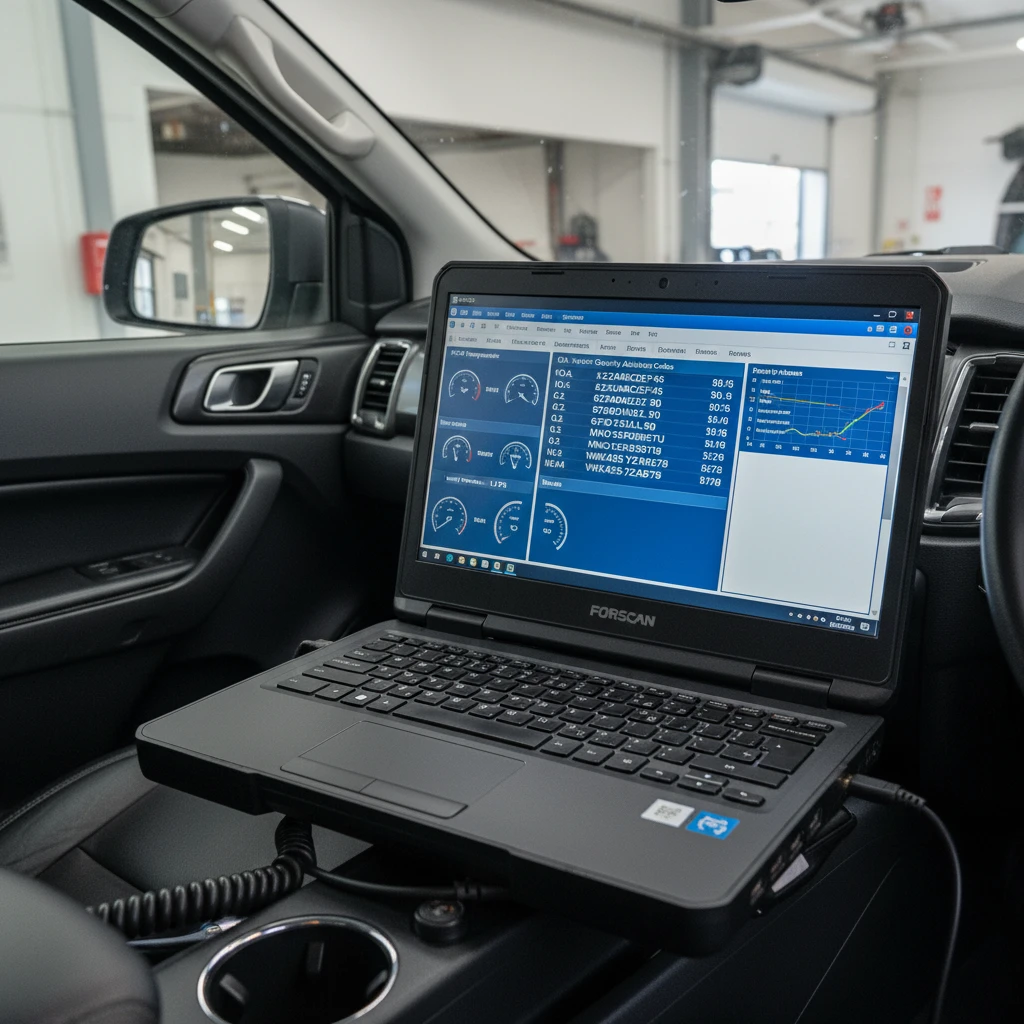
To successfully code new injectors, you will need a high-level diagnostic tool. The Ford dealer tool (IDS) is the gold standard, but FORScan (with an extended license) is a powerful alternative widely used by enthusiasts in New Zealand.
- Record the Codes: Before installation, write down the IQA code from each new injector and note which cylinder it is going into. It is impossible to read them once the fuel rail and sound deadening covers are reinstalled.
- Connect to ECU: Plug your OBDII interface into the port (usually under the driver’s side dash).
- Access Service Functions: Navigate to the PCM (Powertrain Control Module) service functions.
- Input Data: Select “Injector Correction Factors” or similar. Enter the new alphanumeric code for each corresponding cylinder.
- Verify: After writing the data, cycle the ignition and read the codes back to ensure they stuck.
Pilot Correction Learning Procedures
Coding the injectors is step one. Step two is the Pilot Correction Learn. Even with the correct IQA codes, the engine needs to adapt to the mechanical reality of the new components. The ECU monitors the acceleration of the crankshaft after each combustion event to determine if a cylinder is weak or strong.
On the Ford Ranger 3.2L and 2.0L, you must perform a “Pilot Injection Learn” procedure using the diagnostic tool. This forces the ECU to cycle through various pressure and timing adjustments while the vehicle is idling or being driven under specific conditions.
If this step is skipped, the rattle may persist for hundreds of kilometers until the ECU naturally adapts, or it may never fully resolve, leading to the dreaded “piston cracking” scenario due to localized hotspots in the cylinder. In the NZ market, where Rangers often tow boats or caravans immediately after service, skipping this learn process is dangerous.
Sourcing Genuine Spares in NZ
The market is flooded with “OEM Quality” or “Remanufactured” injectors. For the Ford Ranger, specifically the PX series, using non-genuine injectors is a false economy. The tolerances inside a Denso or Siemens VDO injector (depending on your model year) are measured in microns.
The Risk of “Cheap” Remans
Many aftermarket injectors use inferior nozzles or control valves that cannot maintain the precise pilot injection control required to stop the rattle. Furthermore, the IQA codes provided with cheap injectors are often fake—generated randomly rather than derived from a flow bench test. This makes it impossible to code the ECU correctly.
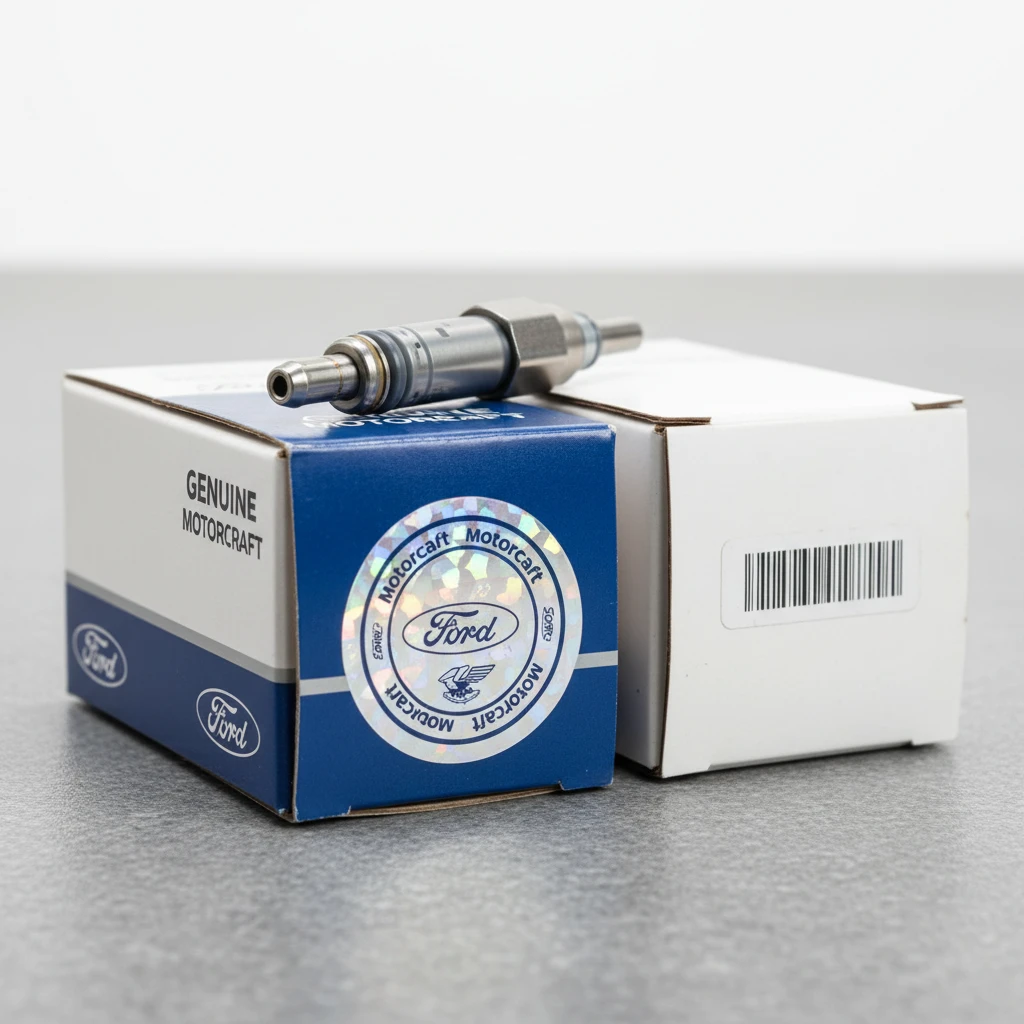
Recommendation: Always source Genuine Ford or Genuine Denso/Siemens units. In New Zealand, reputable diesel specialists will supply injectors that come in the original manufacturer boxes. While they may cost 20-30% more than eBay specials, they prevent the $15,000 cost of a replacement long block.
Preventative Maintenance for CRD Systems
Once you have resolved the rattle, preventing recurrence is key. New Zealand diesel fuel quality is generally good, but contamination is the enemy of common rail systems.
- Primary Fuel Filter: Install a 30-micron pre-filter (water separator) before the factory filter. This catches larger debris and water, which is fatal to injectors.
- Factory Filter Changes: Change the main fuel filter every 10,000km to 15,000km, not the extended intervals suggested in the logbook.
- Injector Cleaner: Use a high-quality chemical injector cleaner every 5,000km to prevent carbon buildup on the nozzle tips.
By treating the fuel system with the precision it demands, your Ford Ranger will continue to be the reliable workhorse it was designed to be, free from the unnerving rattle that plagues neglected engines.
Can I drive my Ford Ranger with injector rattle?
It is not recommended. While light rattle on cold starts is acceptable, persistent rattle under load indicates incorrect combustion timing. This can lead to melted pistons, cracked cylinder heads, or turbocharger damage due to excessive exhaust gas temperatures.
How much does it cost to replace Ford Ranger injectors in NZ?
Costs vary, but expect to pay between $600 and $900 NZD per injector for genuine parts, plus labor. A full set replacement including coding and fuel lines can range from $3,500 to $5,000 NZD depending on the workshop.
Do I need to replace all 5 injectors at once?
Yes, it is highly recommended. If one injector has failed due to wear or contamination, the others are likely in a similar condition. Replacing them individually often leads to chasing issues and repeated labor costs.
What is the difference between piezo and solenoid injectors?
Earlier Rangers (PX1) typically use Piezo injectors which are faster and more precise but more expensive. Later models often switched to advanced solenoid injectors. They are not interchangeable; you must use the specific type designed for your ECU and engine code.
Can a blocked fuel filter cause injector rattle?
Indirectly, yes. A blocked filter restricts flow to the high-pressure pump. This can cause pressure fluctuations in the rail. If the pressure drops below target, the ECU may over-compensate or timing may drift, causing noise, though this usually triggers a limp mode first.
How do I know if my Fuel Rail Pressure Sensor is bad?
Symptoms include erratic idle, stalling, hard starting, and the characteristic rattle. A scan tool showing fluctuating rail pressure when the engine should be steady is a strong indicator. Physical inspection may reveal fuel in the sensor’s electrical connector.