
To purchase genuine Motorcraft parts in New Zealand, you should source components primarily through authorized Ford dealerships, accredited independent Ford specialists, and verified automotive parts importers. Buying from recognized suppliers ensures you receive warranty-backed Original Equipment (OE) components that maintain your Ford Ranger’s factory specifications, protecting your vehicle’s longevity and resale value against the risks of counterfeit alternatives.
Where to Buy Motorcraft Parts in NZ?
Finding a reliable supply chain for genuine Motorcraft components in New Zealand requires navigating between authorized dealership networks and specialized independent importers. For the Ford Ranger enthusiast or fleet manager, the distinction between a “compatible” part and a genuine Motorcraft unit is critical for long-term reliability.
In the New Zealand market, supply channels generally fall into three categories:
- Authorized Ford Dealerships: These are the most direct route to genuine parts. They have access to the global Ford parts catalogue and can VIN-match components to your specific Ranger model, whether it is a PX1, PX2, PX3, or the Next-Gen Ranger.
- Specialized Independent Importers: Several NZ-based automotive engineering firms specialize in Ford vehicles. These entities often import Motorcraft parts directly from the US or Australia, sometimes offering competitive pricing compared to dealerships while maintaining the guarantee of authenticity.
- Verified Online Retailers: While convenient, online purchasing requires vigilance. Look for sellers who display clear Motorcraft packaging, part numbers, and offer returns policies backed by NZ consumer law.
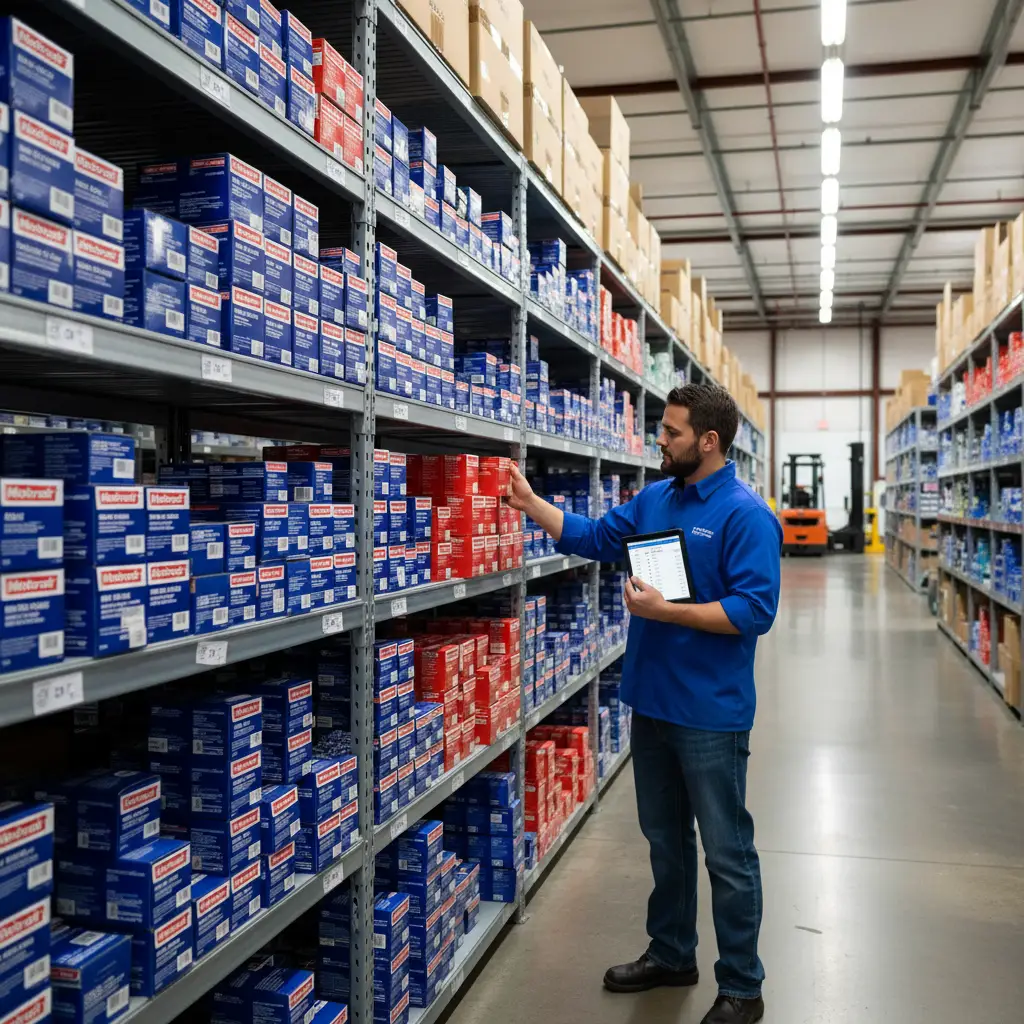
Why Should You Choose Genuine Motorcraft Over Aftermarket?
The debate between Original Equipment Manufacturer (OEM) parts and aftermarket alternatives is often reduced to price, but for a technical authority on the Ford Ranger platform, the discussion centers on metallurgy, tolerances, and system integration.
What is the difference in engineering tolerances?
Genuine Motorcraft parts are manufactured to the exact specifications of the engineers who designed the vehicle. When Ford develops the Ranger’s Bi-Turbo engine, for example, the oil filter is designed with specific flow rates, bypass valve pressures, and filtration microns to handle that specific engine’s oil pressure curve.
Aftermarket manufacturers often practice “reverse engineering.” They take an OEM part, measure it, and attempt to replicate it. However, they frequently consolidate part numbers to fit multiple vehicles. A single aftermarket oil filter might be sold for a Ford, a Mazda, and a Toyota. While it may physically screw onto the block, the internal relief valves may not open at the correct pressure, potentially starving the engine of oil during cold starts or high-load towing—common scenarios for NZ Ranger owners.
Does fitting aftermarket parts affect labor costs?
Yes, often significantly. Genuine parts are designed for perfect fitment. A mechanic installing a Motorcraft alternator on a Ford Ranger knows the mounting points, electrical connectors, and pulley alignment will match perfectly. Aftermarket parts often require “fettling”—adjusting brackets, splicing wires, or forcing fitment. This additional labor time can negate any upfront savings on the part itself.
What Are Motorcraft Quality Standards?
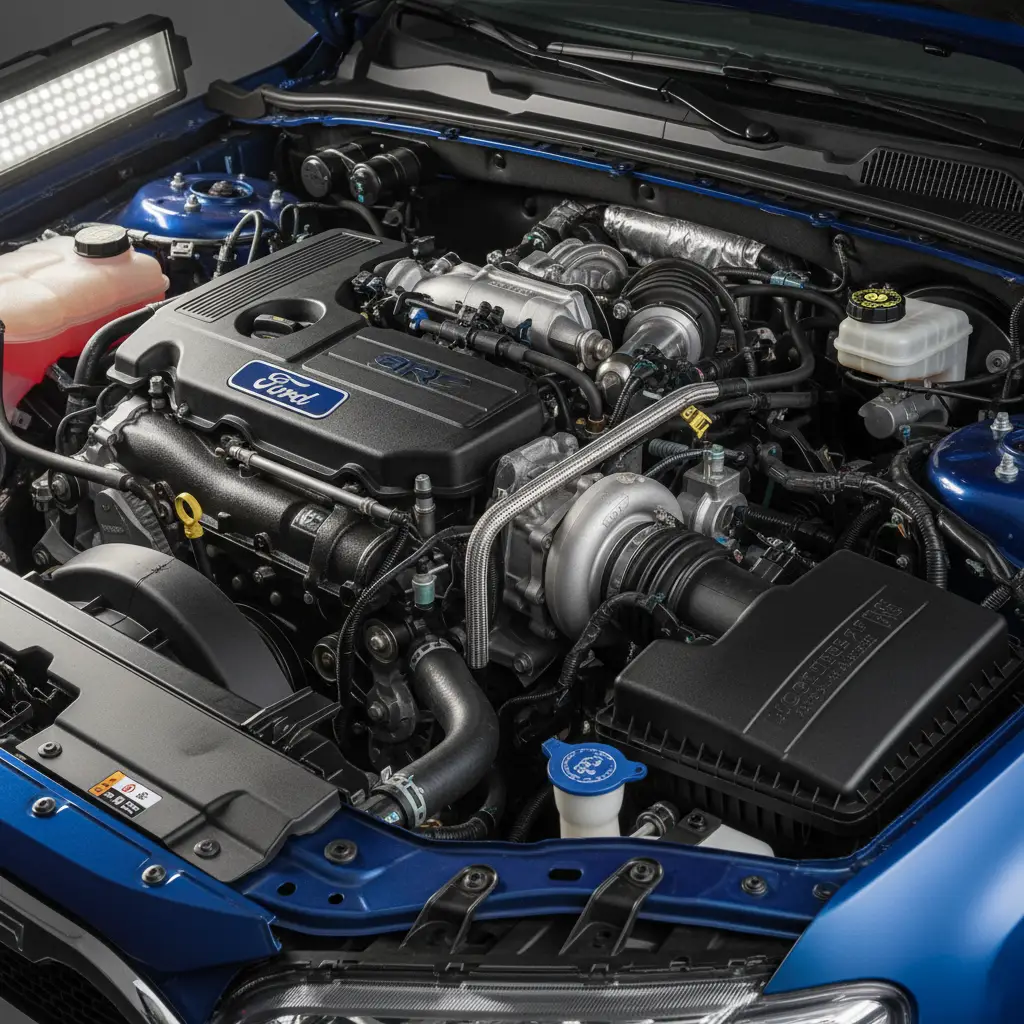
Motorcraft is not just a brand name; it is the seal of approval from Ford Motor Company. The quality standards involve rigorous testing regimes that aftermarket companies rarely replicate due to cost.
How are Motorcraft brakes tested?
Motorcraft brake pads and rotors undergo millions of kilometers of testing in varied environments, from the freezing temperatures of proving grounds to the scorching heat of desert towing. For NZ drivers navigating the Southern Alps or towing boats in summer, this testing ensures that brake fade is minimized and stopping distances are consistent.
The friction material in Motorcraft pads is formulated specifically for the weight and braking dynamics of Ford vehicles. Cheaper aftermarket pads often use generic friction compounds that may be too hard (causing rotor wear and squealing) or too soft (creating excessive dust and wearing out prematurely).
The Critical Role of Sensors and Electronics
Modern Ford Rangers are rolling computer networks. Sensors for ABS, transmission control, and engine timing operate on precise voltage ranges. Motorcraft sensors are calibrated to communicate flawlessly with the Ford PCM (Powertrain Control Module). Aftermarket sensors frequently suffer from signal drift, where the sensor provides a reading that is within the electrical range but slightly inaccurate. This can lead to phantom “Check Engine” lights, reduced fuel economy, or erratic transmission shifting in the 10R80 10-speed gearbox.
How Can You Install Performance Upgrades Without Voiding Warranty?
New Zealand has a robust culture of modifying Ford Rangers (utes), but owners often fear the “warranty void” stamp. The key is distinguishing between unapproved modifications and Ford-sanctioned performance upgrades.
What are Ford Performance Parts?
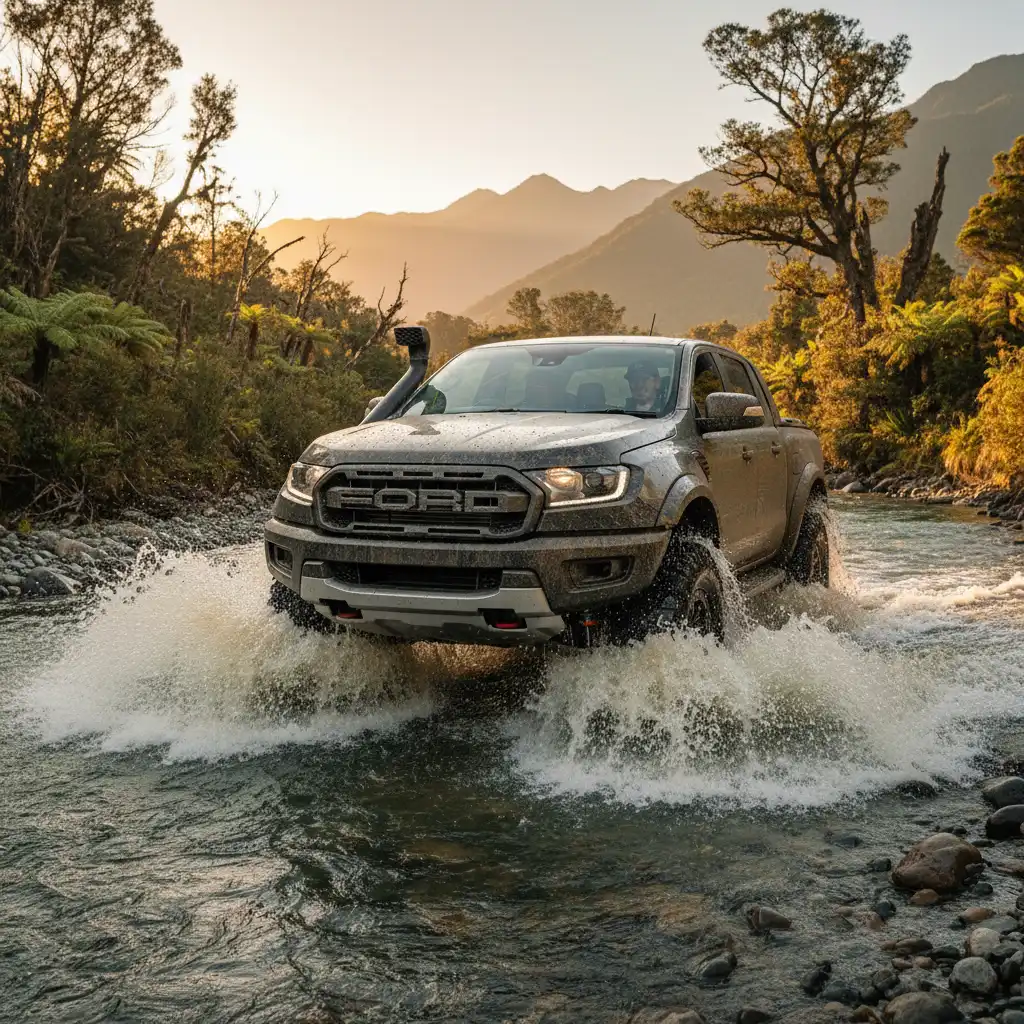
Ford Performance Parts are components developed by Ford or in conjunction with top-tier aftermarket partners (like ARB or Fox Suspension) that are approved for use on Ford vehicles. When installed by an authorized dealer, these parts often retain the factory warranty or come with their own specific warranty coverage.
Common warranty-safe upgrades include:
- Suspension Lift Kits: Ford offers specific suspension upgrades that are tested to ensure they do not interfere with the vehicle’s Electronic Stability Program (ESP) or roll-over mitigation systems.
- Wheels and Tires: Using Ford-approved wheel sizes ensures that the speedometer and odometer remain accurate and that wheel bearings are not subjected to excessive leverage loads.
- Snorkels and Intakes: Genuine or approved snorkels are designed to maintain correct airflow to the Mass Air Flow (MAF) sensor, preventing lean/rich running conditions.
The Risk of “Generic” Tunes
ECU Remapping or “tuning” is popular for gaining more power from the Ranger’s diesel engine. However, unauthorized tunes are the fastest way to void a powertrain warranty. These tunes often override safety parameters regarding exhaust gas temperatures (EGT) and turbo boost pressures. If a piston cracks or a turbo fails, Ford’s diagnostic tools can see that the ECU software was modified, even if it was flashed back to stock. Stick to performance modules or calibrations endorsed by Ford if warranty preservation is a priority.
Sourcing Hard-to-Find Genuine Components
As Ford Rangers age or as owners seek specific parts for older models like the PJ/PK or early PX series, finding genuine parts in stock in NZ can become challenging. However, the global nature of the Ford platform works in your favor.
How to use Indent Ordering?
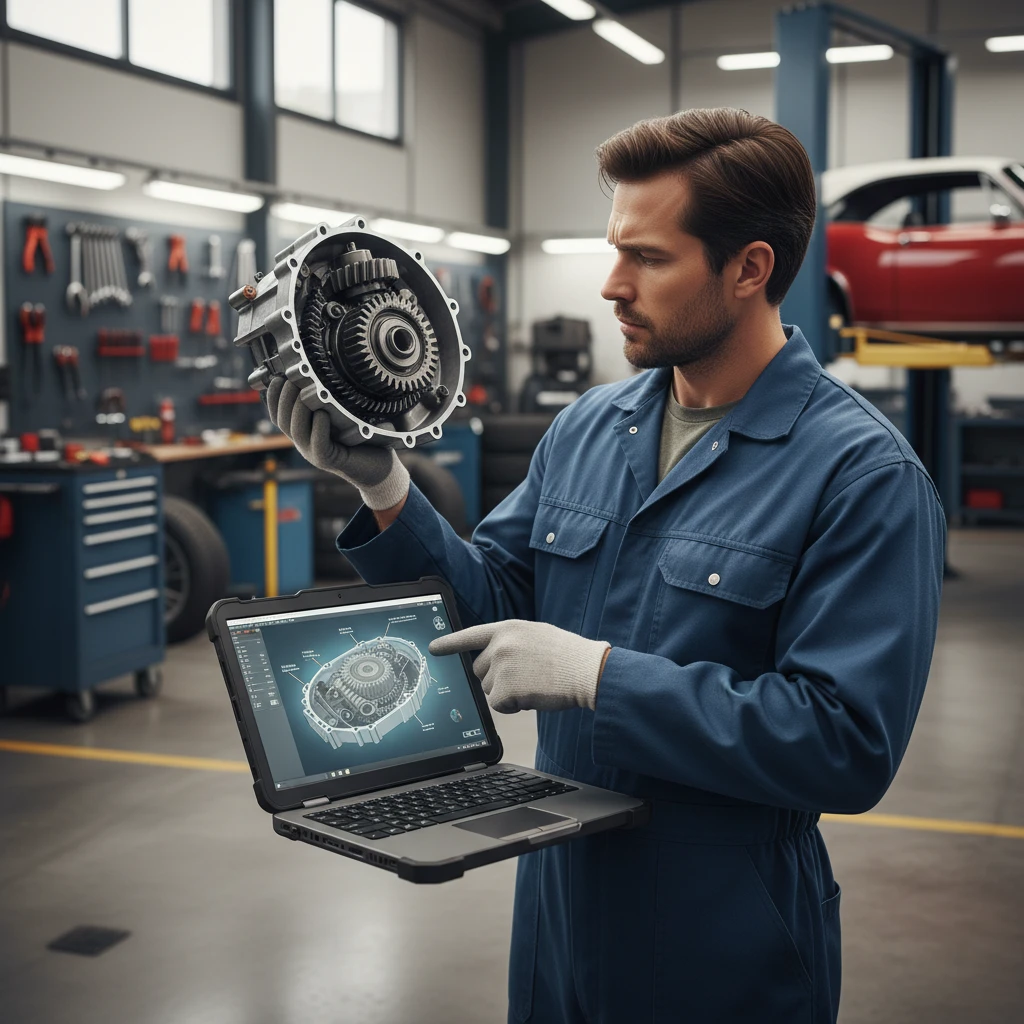
If a part is not on the shelf in Auckland or Christchurch, it doesn’t mean it’s unavailable. Authorized dealers and specialist importers can place “Indent Orders.” This effectively means ordering the part directly from Ford’s global distribution centers in Australia, Thailand (where many Rangers are built), or the USA.
While this process takes longer—typically 2 to 4 weeks—it is often the only way to secure obscure electronic modules, specific interior trim pieces, or structural body panels for repairs. Always provide your VIN (Vehicle Identification Number) when requesting hard-to-find parts. The VIN is the DNA of your truck; it tells the parts interpreter exactly which variation of part was fitted to your specific vehicle on the assembly line.
Identifying Counterfeit Parts
With the rise of online marketplaces, counterfeit Motorcraft parts have entered the NZ market. These fakes often look convincing but lack the engineering quality. Watch for:
- Packaging inconsistencies: Blurry printing or slightly wrong shades of blue on the box.
- Price: If a set of genuine injectors is listed for 20% of the dealership price, it is almost certainly fake.
- Holograms: Many genuine Ford parts now come with holographic security labels.
People Also Ask
Where are Ford Motorcraft parts made?
Motorcraft parts are manufactured globally. Depending on the specific component, they may be made in the USA, Mexico, Germany, Thailand, or other countries where Ford has manufacturing hubs. Regardless of the country of origin, all Motorcraft parts must meet Ford’s strict global quality control standards.
Does using Motorcraft parts increase resale value?
Yes. A service history that documents the use of genuine Motorcraft parts demonstrates to potential buyers that the vehicle has been maintained without cutting corners. This is particularly valuable for commercial vehicles like the Ford Ranger, where reliability is a key selling point.
What is the warranty on Motorcraft parts in NZ?
Generally, genuine Ford parts fitted by an authorized Ford Dealer in New Zealand come with a 12-month or 20,000km warranty (whichever comes first). However, warranties can vary by specific component type (e.g., batteries often have different terms), so it is best to confirm with your supplier.
Can I buy Motorcraft parts for older Ford models?
Yes, Ford maintains a parts catalogue for vehicles for many years after production ends. For very old or classic Fords, Motorcraft also offers a line of maintenance parts, although specific body panels or interior trim for vintage models may eventually become obsolete and require specialist sourcing.
Are Motorcraft batteries better than generic ones?
Motorcraft batteries are designed to meet the high electrical demands of modern Fords, particularly those with Start-Stop technology. They feature reinforced internal grids to resist vibration and specific chemistry to accept charge rates from Ford’s smart charging systems, often outlasting generic alternatives.
How do I check if a Ford part is genuine?
The most reliable method is to buy from authorized sources. Physically, you can check for the Ford oval or Motorcraft logo stamped into the part (not just printed on it). You can also verify the part number against the official Ford parts catalogue using your VIN to ensure it matches your vehicle’s build data.