
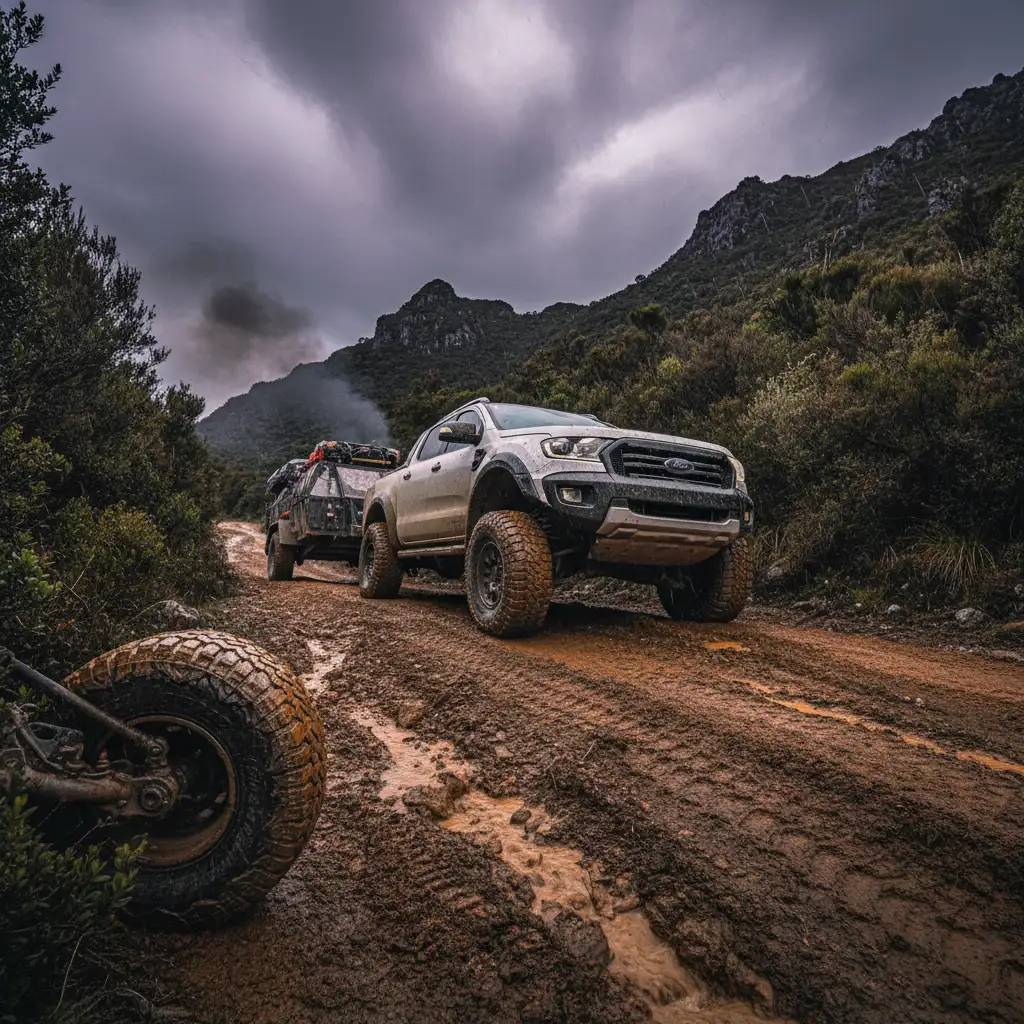
Heavy Duty Clutch Upgrades
A Ford Ranger heavy duty clutch upgrade involves replacing the standard factory clutch system with a high-performance kit featuring increased clamping force and superior friction materials. Essential for NZ owners who tow heavy loads or have tuned engines, this upgrade often includes converting from a Dual Mass Flywheel (DMF) to a Single Mass Flywheel (SMF) to prevent premature failure and handle torque outputs exceeding 500Nm.
The Ford Ranger is undisputed as New Zealand’s favourite ute. From the rugged 3.0L TDCi of the early PJ/PK era to the dominant 3.2L Duratorq in the PX series, and now the sophisticated 2.0L Bi-Turbo Next-Gen models, these vehicles are the backbone of Kiwi trade and recreation. However, despite their robust powertrain, the factory clutch system is often the first component to surrender under the unique pressures of the New Zealand lifestyle.
Whether you are hauling a digger to a job site in Christchurch, launching a heavy boat in the Coromandel, or navigating the steep, technical tracks of the Southern Alps, the stock clutch has its limits. As a technical authority on Ford Ranger genuine and performance parts in NZ, we understand that upgrading to a Ford Ranger heavy duty clutch in NZ isn’t just a modification; it is often a necessity for reliability.
Signs Your Ford Ranger Needs a Heavy Duty Clutch
Before diving into the technical specifications of flywheels and friction plates, it is crucial to identify when your standard clutch has reached its operational limit. The OEM (Original Equipment Manufacturer) clutch in a Ford Ranger is designed for “average” use. It prioritizes a light pedal feel and smooth engagement for city driving. It is not engineered to handle the sustained high-torque demands of heavy towing or performance tuning.
What is clutch slip and how do I detect it?
Clutch slip occurs when the friction disc cannot maintain a grip on the flywheel under load. In a Ford Ranger, this often manifests when you are in a high gear (4th, 5th, or 6th) and you accelerate hard to overtake or climb a hill. You will notice the engine RPM rising disproportionately to the vehicle’s speed. If the rev counter shoots up but the ute doesn’t accelerate effectively, your clutch is slipping. This generates immense heat, glazing the flywheel and destroying the friction material rapidly.
Why does the pedal feel spongy or the bite point change?
In hydraulic systems like the Ranger’s, a changing bite point (engaging very high or very low) or a spongy pedal often indicates issues with the hydraulic pressure or the self-adjusting mechanism in the pressure plate. However, it can also signal that the Dual Mass Flywheel (DMF) springs have failed, causing excessive play and vibration.
The Great Debate: Single Mass vs Dual Mass Flywheel
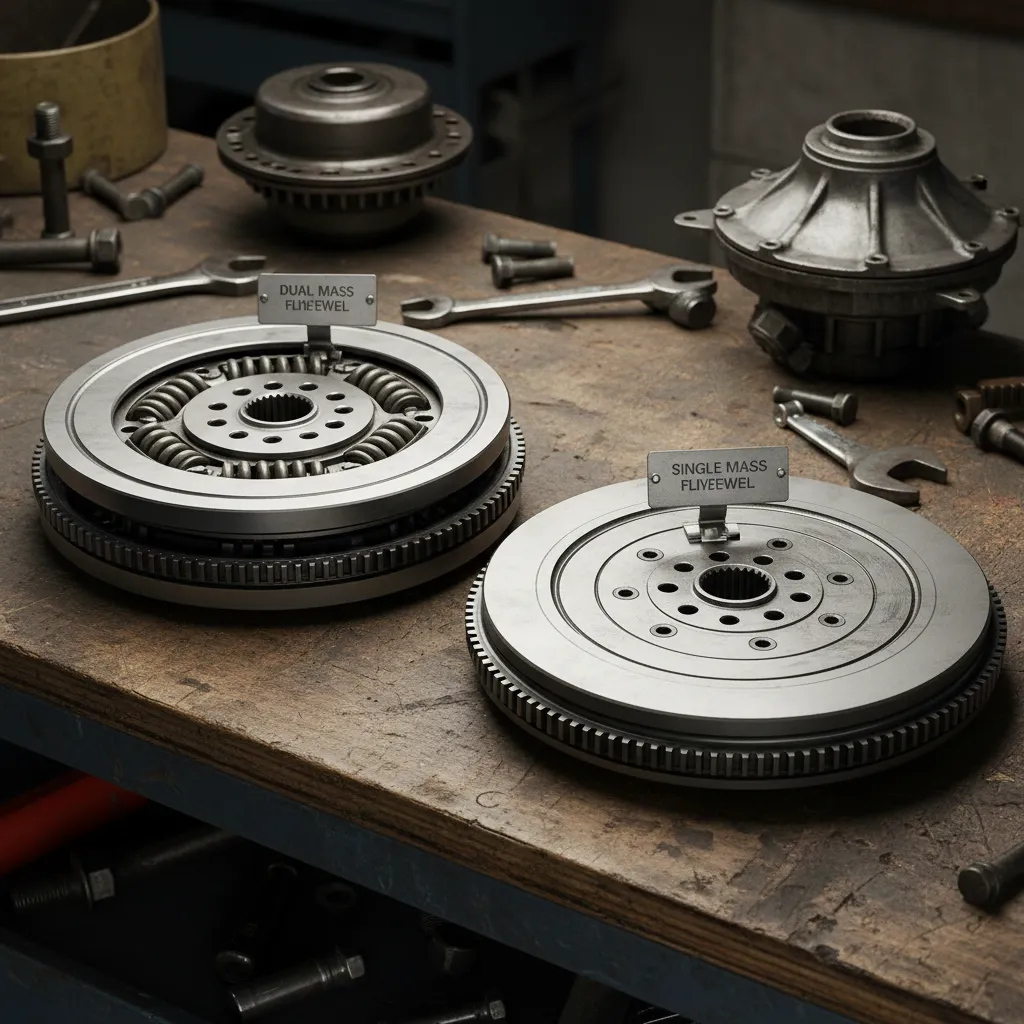
When searching for a Ford Ranger heavy duty clutch NZ, the most significant technical decision you will face is whether to retain the factory Dual Mass Flywheel (DMF) or convert to a Single Mass Flywheel (SMF).
What is a Dual Mass Flywheel (DMF)?
The DMF is the standard fitment for most modern diesel Rangers (PX1, PX2, PX3). It consists of two independent flywheels connected by a series of internal springs and dampers. Its primary purpose is to absorb the torsional vibrations generated by high-compression diesel engines, protecting the gearbox and providing a car-like driving experience with smooth shifting and low noise.
The Downside: While excellent for comfort, DMFs are mechanical wear items. Under heavy loads, heat, or high torque (from ECU remapping), the internal springs can fatigue and fail. A failed DMF can separate, causing catastrophic damage to the bell housing and gearbox.
What is a Single Mass Flywheel (SMF) Conversion?
An SMF conversion replaces the complex two-piece unit with a solid block of steel or chromoly. Because it has no moving parts, an SMF is virtually indestructible. It can be resurfaced multiple times and handles immense heat without failure.
The Trade-off: Because the flywheel no longer dampens engine pulses, those vibrations are transmitted to the drivetrain. This results in “gear rollover noise”—a growling sound from the gearbox at low RPMs or idle (neutral). This noise is harmless but can be annoying to some drivers. To counteract this, high-quality heavy-duty kits for the Ford Ranger utilize a “wide-angle damper” in the clutch friction disc itself to absorb some of the vibration previously handled by the DMF.
Clutch Kits for Tuned Engines and Towing
New Zealand has a thriving 4WD tuning culture. It is common to see Ford Ranger 3.2L engines remapped to produce over 550Nm of torque. The stock clutch is generally rated to handle roughly 10-15% above stock torque figures. Once you exceed this via an ECU tune or by adding larger tyres (which changes the final drive ratio load), the stock clamping force is insufficient.
Stage 1 vs Stage 2 Upgrades
Stage 1 (Heavy Duty Organic): This is the ideal choice for 90% of NZ Ranger owners. It typically features a pressure plate with 20-40% higher clamping force than stock and a high-quality organic friction disc. It retains near-factory drivability and is perfect for towing boats, caravans, and trade use. It manages heat better than stock but is not designed for repeated clutch kicks or competition use.
Stage 2 (Ceramic/Paddle): Designed for extreme off-roading or highly tuned engines. These kits use ceramic friction buttons (pucks) instead of a full-face organic lining. Ceramic has a much higher coefficient of friction and temperature tolerance. However, the engagement is aggressive (on/off feel), making it difficult to drive in stop-start Auckland traffic or when reversing a trailer smoothly.
The Critical Importance of Concentric Slave Cylinders
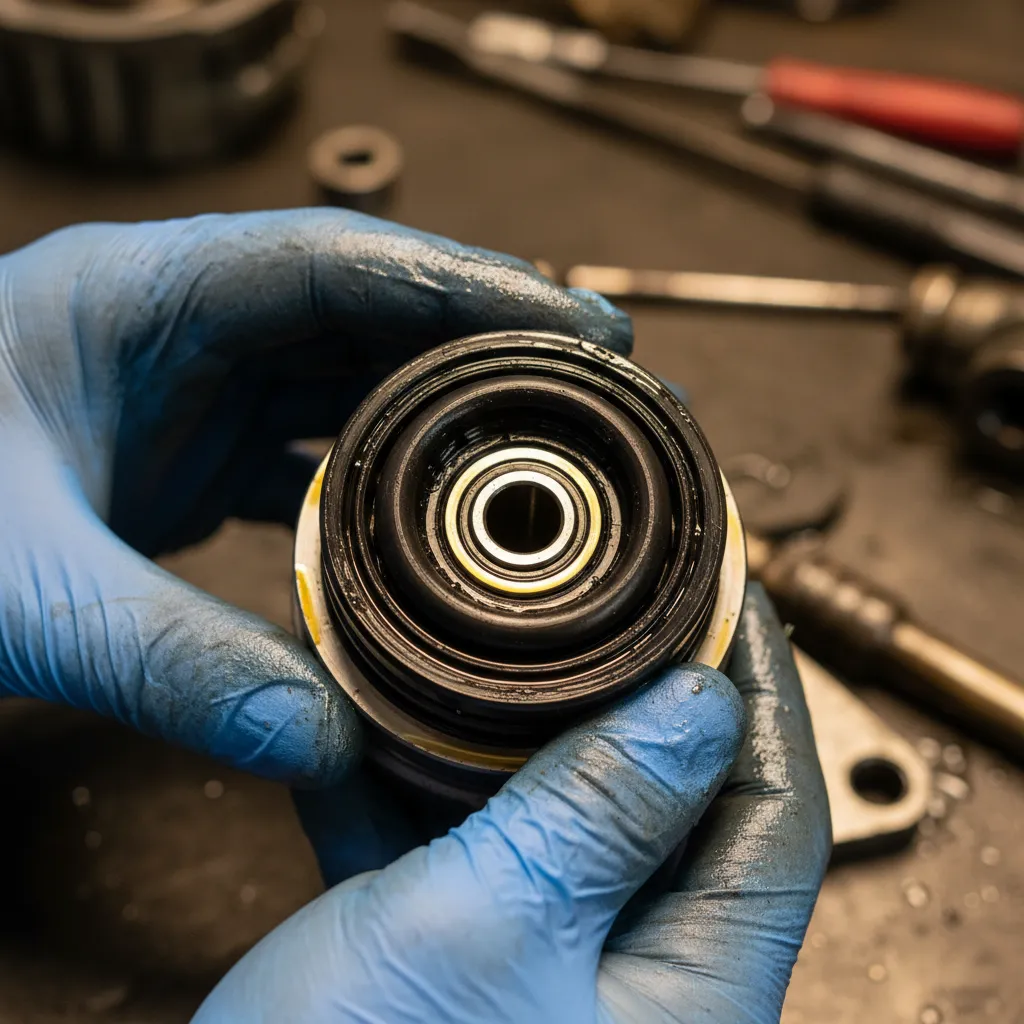
If you are upgrading your clutch, you must replace the Concentric Slave Cylinder (CSC). In older vehicles, the slave cylinder was external and pushed a fork. In the Ford Ranger (and most modern utes), the slave cylinder is a hydraulic unit located inside the bell housing, wrapped around the input shaft. It acts directly on the pressure plate diaphragm.
Why do CSCs fail?
The CSC is exposed to all the clutch dust and heat inside the bell housing. Over time, the seals degrade, or the plastic body can crack. If the CSC fails, you lose all clutch pressure and cannot change gears.
Why replace it with the clutch?
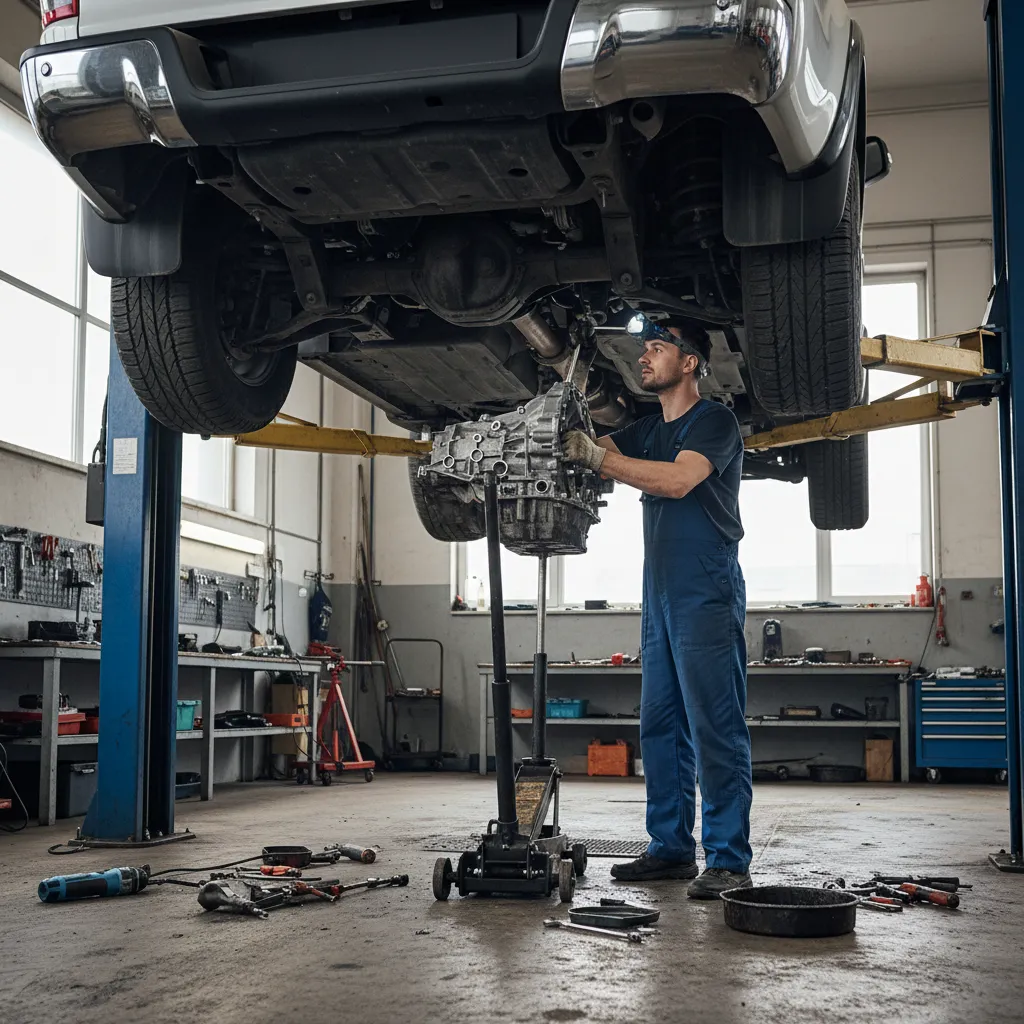
To access the CSC, the entire transmission must be removed—a labour-intensive job taking 4-6 hours. Installing a brand new heavy-duty clutch while leaving an old CSC is a false economy. The increased pressure from a heavy-duty pressure plate puts extra strain on the hydraulic system, often causing an old CSC to blow shortly after the upgrade.
Pro Tip: For the Ford Ranger PX series, look for aftermarket CSC upgrades that feature a metal body rather than the factory plastic design. These are far more robust and less prone to cracking under the increased load of a heavy-duty pressure plate.
Choosing the Right Friction Material: Organic vs Ceramic
Understanding friction material is key to selecting the right heavy duty clutch for your specific NZ application. The material dictates how the clutch grabs, how much heat it can take, and how long it will last.
Organic Facings
Modern heavy-duty organic facings are composed of woven glass fibres, copper strands, and friction modifiers bound by high-temp resins. The inclusion of copper helps conduct heat away from the surface.
- Pros: Smooth engagement, long life, minimal wear on the flywheel surface.
- Cons: Will fade (lose grip) if overheated significantly (e.g., riding the clutch up a long steep hill).
- Best For: Daily drivers, tradies, towing caravans/boats, beach driving.
Ceramic/Cera-Metallic Buttons
These are sintered metal pads riveted to the disc.
- Pros: Incredible grip, almost impossible to slip once engaged, withstands extreme heat.
- Cons: Aggressive engagement (chatter), wears the flywheel surface faster, difficult to modulate.
- Best For: Competition trucks, pure off-road toys, engines with massive turbo upgrades.
Installation Best Practices and Break-In Procedure
Installing a Ford Ranger heavy duty clutch NZ kit is a precision job. Poor installation is the leading cause of premature failure, not the parts themselves.
Resurfacing is Non-Negotiable
If you are retaining a flywheel (rare in upgrades, as most convert to SMF or replace the DMF), it must be machined. However, when installing a new SMF kit, ensure the crankshaft flange is meticulously cleaned. Any rust or debris can cause the flywheel to sit unevenly, leading to severe vibration.
Rear Main Seal
While the gearbox and flywheel are off, inspect the engine’s rear main oil seal. If there is any sign of weeping oil, replace it immediately. Oil leaking onto a new clutch disc will ruin it instantly, voiding your warranty.
The Break-In Period
This is where many owners go wrong. A new heavy-duty clutch requires a “bedding-in” period to mate the friction disc to the flywheel and pressure plate surfaces effectively.
- Duration: Typically 500km to 1,000km of stop-start city driving.
- Technique: Avoid heavy towing, full-throttle acceleration, or slipping the clutch during this period.
- Result: Proper bedding ensures maximum clamping force and longevity. ignoring this can lead to glazing and permanent slip.
Frequently Asked Questions
Does a heavy duty clutch make the pedal harder?
Yes, usually. Because a heavy-duty clutch relies on a pressure plate with a stronger diaphragm spring to increase clamping force, the pedal will feel heavier than stock. However, modern engineering in kits from reputable brands (like Xtreme Outback or Exedy Safari) has minimized this, often keeping the increase to within 15-20% of the factory feel.
Can I tow immediately after installing a new clutch?
No. You should drive approximately 500km to 1,000km of mixed city driving before towing heavy loads. This bedding-in process ensures the friction surfaces mate correctly. Towing immediately can glaze the clutch surface, leading to permanent slipping issues.
Will a Single Mass Flywheel damage my Ford Ranger gearbox?
It is unlikely if you choose a high-quality kit. While SMF conversions transmit more vibration than DMFs, reputable kits include a specialized clutch disc with high-capacity damper springs to absorb these shocks. However, driving in a high gear at very low RPMs (lugging the engine) should be avoided to protect the transmission internals.
How much does a Ford Ranger clutch replacement cost in NZ?
In New Zealand, a quality heavy-duty clutch kit (including SMF conversion) typically costs between $1,200 and $2,000 NZD for the parts. Labour for installation generally takes 4-6 hours, bringing the total estimated cost to between $2,000 and $3,200 NZD depending on the workshop and specific kit chosen.
What is the best clutch brand for Ford Ranger in NZ?
Top-tier brands available in NZ include Exedy (Safari Tuff), Xtreme Outback, and DKM. For most Kiwi drivers towing boats or trade trailers, the Exedy Safari Tuff or Xtreme Outback heavy-duty organic kits are considered the industry standard for reliability and performance.
Do I need to remap my ECU after a clutch upgrade?
No, a clutch upgrade does not require an ECU remap. However, if you have already remapped your ECU for more power, a clutch upgrade is strongly recommended to handle the extra torque that the stock clutch likely cannot support.