
Interior Trim & Switchgear
Ford Ranger interior spares encompass the essential genuine replacement components required to restore the cabin functionality of your utility vehicle, ranging from master window switch clusters and seat belt assemblies to SYNC infotainment modules. Utilizing authentic parts ensures precise fitment, seamless integration with onboard electronics, and long-term durability against harsh New Zealand environmental conditions.
Maintaining the interior of a Ford Ranger is about more than just aesthetics; it is about preserving the functionality, safety, and resale value of New Zealand’s favorite ute. Whether you are driving a PX1, PX2, PX3, or the Next-Gen Ranger, the interior components are subject to significant wear and tear. From the constant use of window switches to the safety-critical nature of seat belt assemblies, sourcing high-quality Ford Ranger interior spares is vital for any owner looking to perform repairs or upgrades.
What Are the Common Faults with Ford Ranger Window Switches?
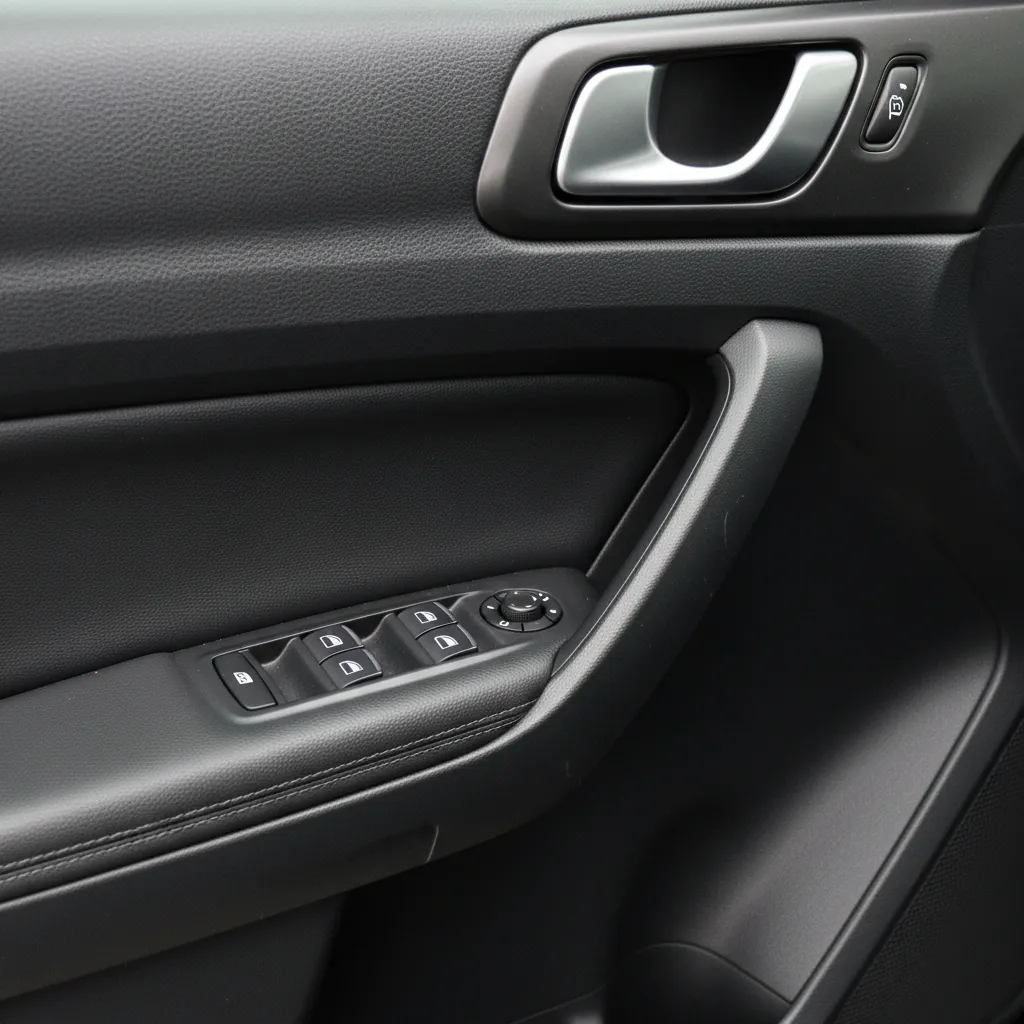
The master window switch cluster, located on the driver’s side door, is one of the most frequently replaced Ford Ranger interior spares. Due to its location, it is susceptible to moisture ingress from rain when the door is opened, as well as dust and debris from work sites.
Diagnosing Switch Failure
Before purchasing a replacement, it is essential to confirm that the switch is indeed the culprit. Common symptoms of a failing master switch unit include:
- Intermittent Operation: The window requires multiple presses to actuate.
- Loss of ‘One-Touch’ Functionality: The auto-down or auto-up feature stops working, even after a reset procedure.
- Dead Switches: Specific windows (often the passenger or rear windows) cannot be controlled from the driver’s seat but work fine from their individual door switches.
- Physical Stickiness: The buttons feel gummy or do not spring back to the neutral position, often caused by spilled liquids.
Choosing the Correct Replacement Unit
When sourcing a replacement, you must match the part specifically to your model year and trim level (e.g., XLT, Wildtrak, or XL). The internal circuitry differs between models. For instance, a PX2 Wildtrak switch often includes illumination pins and auto-fold mirror controls that are absent in base XL models. Installing an incorrect aftermarket unit can lead to parasitic battery drain or short circuits in the Body Control Module (BCM).
Genuine Ford switches feature superior contact plating compared to cheap aftermarket alternatives, ensuring they withstand the high-cycle usage typical of a work vehicle. Replacement is generally straightforward, requiring the removal of the door armrest trim to access the retaining clips.
Why Are Genuine Seat Belt Assemblies Critical for NZ WOF?
Seat belt assemblies are not just interior trim; they are primary safety devices. In New Zealand, a frayed, retracting-slowly, or damaged seat belt is an immediate fail for a Warrant of Fitness (WOF). When looking for Ford Ranger interior spares in this category, compromise is not an option.

Understanding the Pretensioner System
Modern Ford Rangers (T6 platform and onwards) utilize seat belts equipped with pyrotechnic pretensioners. In the event of a collision, these devices instantaneously tighten the belt to secure the occupant. Once a pretensioner has been deployed (usually indicated by a locked belt or an airbag warning light on the dash), the entire assembly must be replaced. You cannot repair a deployed pretensioner.
Retractor Mechanism Failures
Over time, the spring mechanism inside the retractor can weaken, leading to a belt that hangs loose and does not retract fully when unbuckled. This is a common issue in older high-mileage Rangers. Dirt and grime accumulation inside the B-pillar can also gum up the mechanism. While cleaning can sometimes help, a weak spring requires a full unit replacement. Always ensure that the replacement part matches the specific airbag architecture of your vehicle to prevent SRS (Supplemental Restraint System) faults.
How to Fix Ford Ranger SYNC Infotainment Issues?
The infotainment system is the command center of the modern Ford Ranger interior. Whether your vehicle is equipped with the older SYNC 1, the popular SYNC 2 (MyFord Touch), or the modern SYNC 3 and 4 systems, hardware failures can occur.
Common SYNC Module (APIM) Failures
The Accessory Protocol Interface Module (APIM) is the computer behind the touch screen. Symptoms of a failing APIM include:
- Black Screen of Death: The screen remains blank upon startup.
- Bluetooth Lag: Phones fail to connect or audio stutters significantly.
- System Freezing: The interface becomes unresponsive to touch inputs.
- GPS Drift: The navigation system shows the vehicle in the wrong location.
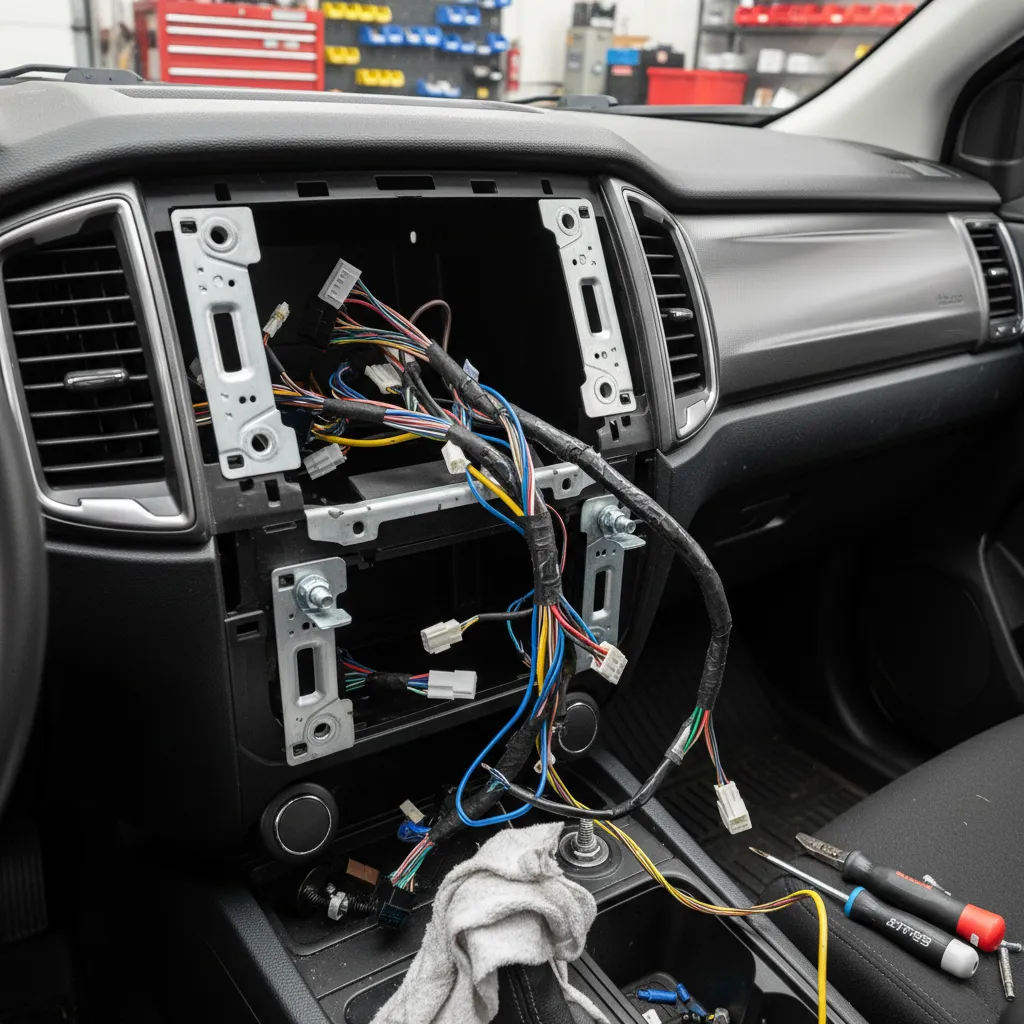
Replacing the APIM requires programming the new module to the vehicle’s VIN to retain features like the reverse camera, climate control display, and steering wheel controls. When buying spares, ensure the unit is “unlocked” or ready for programming.
Touch Screen Digitizer Replacement
A specific issue affecting PX2 and early PX3 models is screen delamination or “ghost touching,” where the screen registers touches that haven’t happened. This is often caused by the adhesive between the glass and the LCD failing due to heat exposure. In many cases, you can replace just the digitizer (the glass front) rather than the entire expensive head unit, provided the LCD underneath is undamaged.
How to Source and Replace Dashboard and Door Trims?
Interior aesthetics play a huge role in the driving experience. Scratched silver accents, broken air vent tabs, and peeling door handles can make a rugged Ranger feel tired.
Inner Door Handles and Release Cables
The inner door handle mechanism on the Ford Ranger is connected via a cable to the latch. It is not uncommon for the plastic pivot point on the handle to snap, or for the cable end to stretch. When sourcing these spares, it is often more economical to buy the complete handle assembly. Note that the finish (chrome vs. grey plastic) varies by trim level, so check your VIN code before ordering.
Dashboard Clips and Fascias
If you are removing dashboard panels to install a radio or fix an AC actuator, you will likely break the retaining clips. These are sacrificial parts. It is highly recommended to purchase a bag of genuine Ford metal and plastic trim clips alongside any major interior trim piece. Reusing bent metal clips often results in annoying rattles and squeaks that are difficult to diagnose later.
What Are Common Center Console Spares?
The center console sees a lot of traffic, functioning as an armrest, storage unit, and control hub. Wear items here are frequent candidates for replacement.
Gear Shift Knobs and Boots
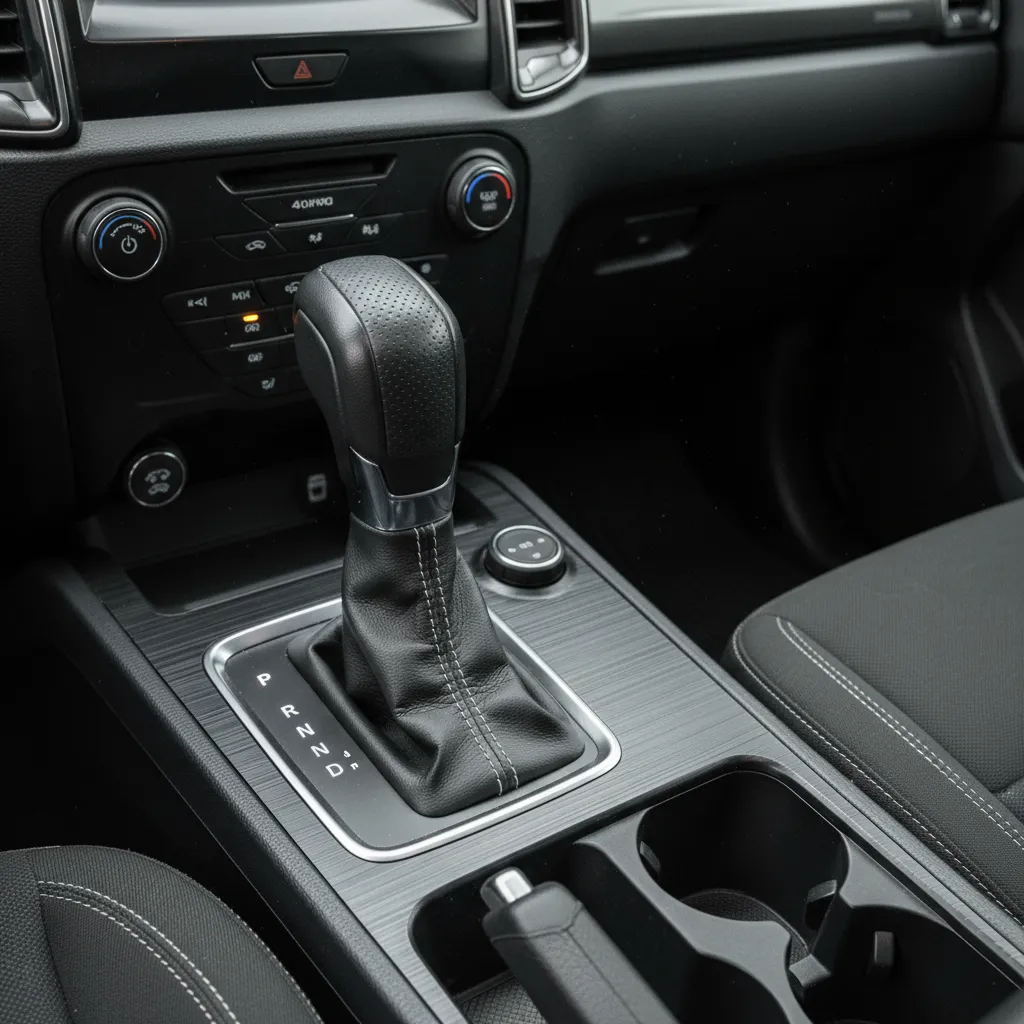
On manual transmission Rangers, the leather gaiter (boot) can crack and peel over time. Similarly, the automatic gear selector button can become sticky or loose. Replacing the gear knob is a quick way to freshen up the interior. For automatic models, ensure the replacement knob includes the correct linkage for the lockout button to function safely.
Console Lid Latches
The latch mechanism for the center console storage bin is plastic and can snap if the lid is slammed. Unlike some vehicles where you must replace the whole lid, for the Ford Ranger, the latch assembly is often available as a separate spare part, saving significant cost.
How to Distinguish Genuine Ford Parts from Aftermarket?
The market is flooded with “OEM-style” parts that claim to be as good as genuine. However, for interior switchgear and electronics, the difference is often in the longevity.
- Packaging: Genuine Ford parts will always come in Ford-branded packaging with a specific part number label (usually starting with ‘AB39’ or similar for Ranger T6 models).
- Material Quality: Genuine plastics usually have a specific texture and matte finish to match the rest of the cabin, whereas aftermarket parts often look shiny or brittle.
- Weight: Genuine switches and modules generally feel heavier due to higher quality internal components and shielding.
- Fitment: Genuine parts clip in with a satisfying ‘click’ and align perfectly with panel gaps. Aftermarket parts often require modification or force to fit.
Restoring Your Ranger with Confidence
Investing in genuine Ford Ranger interior spares is the best way to ensure your vehicle remains comfortable, functional, and safe. Whether you are fixing a faulty window switch to keep the rain out or replacing a fraying seat belt to pass your WOF, choosing the right parts is crucial. Always verify compatibility with your specific VIN to avoid costly mistakes.
People Also Ask
How do I reset the auto window on my Ford Ranger?
To reset the auto-window function, roll the window all the way up and hold the switch in the ‘up’ position for 5 seconds. Then, roll it all the way down and hold the switch in the ‘down’ position for 5 seconds. This recalibrates the motor limits.
Can I upgrade my Ford Ranger SYNC 2 to SYNC 3?
Yes, it is possible to upgrade from SYNC 2 to SYNC 3. You will need a new APIM module, a new capacitive touch screen, a GPS antenna, and a new USB hub that supports Apple CarPlay and Android Auto. Programming is required.
Why is my Ford Ranger airbag light on after changing seats?
If you disconnected the yellow SRS plugs under the seat without disconnecting the battery first, the system logs a fault code. Alternatively, if the seat belt pretensioner or airbag resistance values in the new seats do not match the module’s expectation, the light will remain on.
Where is the fuse for the interior lights in a Ford Ranger?
The interior light fuse is typically located in the Body Control Module (BCM) fuse box, found behind the kick panel on the passenger side footwell. Refer to your owner’s manual for the specific fuse number as it varies by model year.
Are Ford Ranger PX1 and PX2 interior parts interchangeable?
Some parts are interchangeable, such as certain floor mats and rear seat components. However, the dashboard, infotainment systems, and door trims are significantly different between the PX1 (2011-2015) and PX2 (2015-2018) models.
How do I remove the door panel on a Ford Ranger?
To remove the door panel, unscrew the hidden screws behind the inner door handle and inside the grab handle cup. Then, use a plastic trim tool to pop the perimeter clips, lift the panel upwards to clear the window seal, and disconnect the window switch and latch cables.