
Motorcraft Oil Filters NZ
When comparing a genuine vs aftermarket oil filter for the Ford Ranger, the critical difference lies in the internal pressure relief valve specifications and filtration media density. Genuine Motorcraft filters are engineered to Ford’s exact PSI requirements to prevent oil starvation during cold starts, whereas aftermarket alternatives often use generic valve settings that can lead to catastrophic engine wear under New Zealand’s towing and off-road conditions.
For Ford Ranger owners in New Zealand, the choice between a genuine Motorcraft oil filter and a cheaper aftermarket alternative is not merely about price—it is a decision that directly impacts the longevity of the 3.2L and 2.0L Bi-Turbo engines. While aftermarket filters may physically fit the threads, the internal engineering often fails to meet the rigorous hydraulic demands of modern common-rail diesel engines.
Genuine vs Aftermarket Oil Filter Ranger: The Technical Breakdown
The debate surrounding genuine vs aftermarket oil filter Ranger installations often centers on cost versus risk. However, from a technical standpoint, the disparity goes far beyond the price tag. The Ford Ranger, particularly the PX series equipped with the 3.2L Duratorq 5-cylinder engine, relies on a highly specific oil flow rate to maintain lubrication to the turbocharger and main bearings.
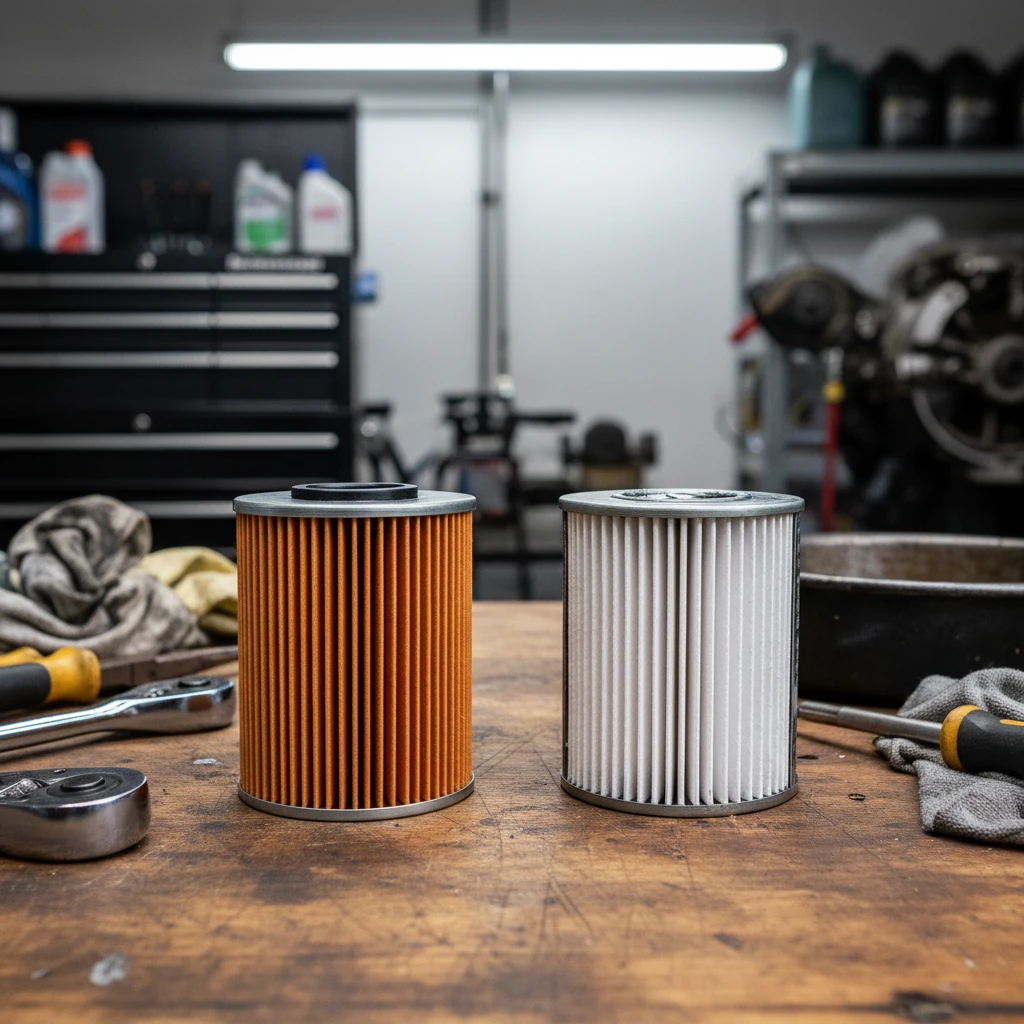
Motorcraft filters, specifically designed by Ford, utilize a synthetic-cellulose blend media. This material offers a dual advantage: it captures smaller contaminants (soot and metal shavings) while maintaining high flow rates even as the oil thickens. Many aftermarket filters use standard paper media, which may swell when exposed to moisture or heat, restricting oil flow and causing the pressure relief valve to open prematurely. When this happens, unfiltered oil circulates through the engine, accelerating wear.
Is the Construction Quality Different?
Yes, the construction quality differs significantly. Genuine Motorcraft filters feature a heavy-gauge steel canister designed to withstand high oil pressure surges, which are common during cold starts in New Zealand winters. Aftermarket filters often use thinner sheet metal, which can flex or even burst under extreme pressure spikes. Furthermore, the base plate of a Motorcraft filter is machined to ensure a perfect seal against the engine block, preventing the notorious oil leaks often associated with generic brands.
Why are Internal Bypass Valve Differences Critical?
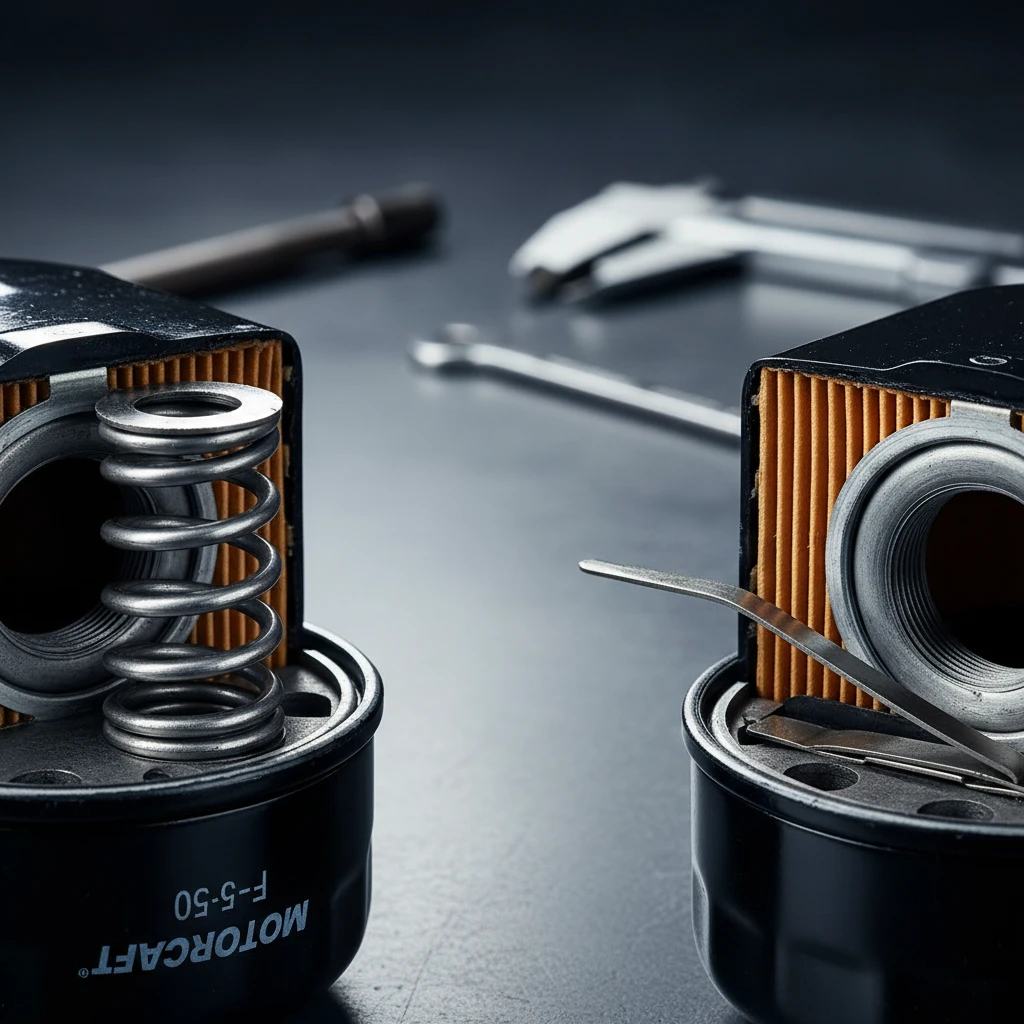
The internal bypass valve (or relief valve) is arguably the most critical component within an oil filter. Its function is to allow oil to bypass the filter media and flow directly to the engine if the filter becomes clogged or if the oil is too thick (viscous) to pass through the media, such as during a frosty morning start in the South Island.
The Motorcraft Specification: Ford engineers the bypass valve in Motorcraft filters to open at a specific pressure differential (Delta P). For the Ranger, this is calibrated to ensure the engine never runs dry, but also that the valve doesn’t open unnecessarily.
The Aftermarket Risk: Generic aftermarket filters often use a “one-size-fits-all” bypass valve setting.
- If the valve opens too early: The engine receives unfiltered oil constantly, even when the filter isn’t clogged. This sends abrasive soot and particles into the bearings and turbo.
- If the valve opens too late (or not at all): The engine suffers from oil starvation during cold starts or high-RPM operation, leading to rapid bearing failure.
What are the Filtration Micron Ratings?
Micron ratings define the size of the particles the filter can capture. A human hair is roughly 70 microns in diameter, while engine-damaging particles can be as small as 10-20 microns. The genuine vs aftermarket oil filter Ranger comparison highlights a massive discrepancy in filtration efficiency.
Genuine Motorcraft filters are rated to capture particles efficiently without impeding flow. They typically boast an efficiency rating of 98% or higher at 20 microns. This balance is difficult to achieve. To cut costs, aftermarket manufacturers often compromise in one of two ways:
- High Flow, Low Filtration: The filter allows oil to pass through easily but fails to catch harmful contaminants, leading to “dusting” of the engine internals.
- High Filtration, Low Flow: The media is too dense or restrictive, causing the bypass valve to stay open permanently, rendering the filter useless.
For the variable vane turbochargers found in Ford Rangers, clean oil is non-negotiable. Even microscopic debris can damage the turbo bearings or jam the variable vane mechanism, leading to expensive repairs.
How Does the Anti-Drain Back Valve Protect Your Engine?
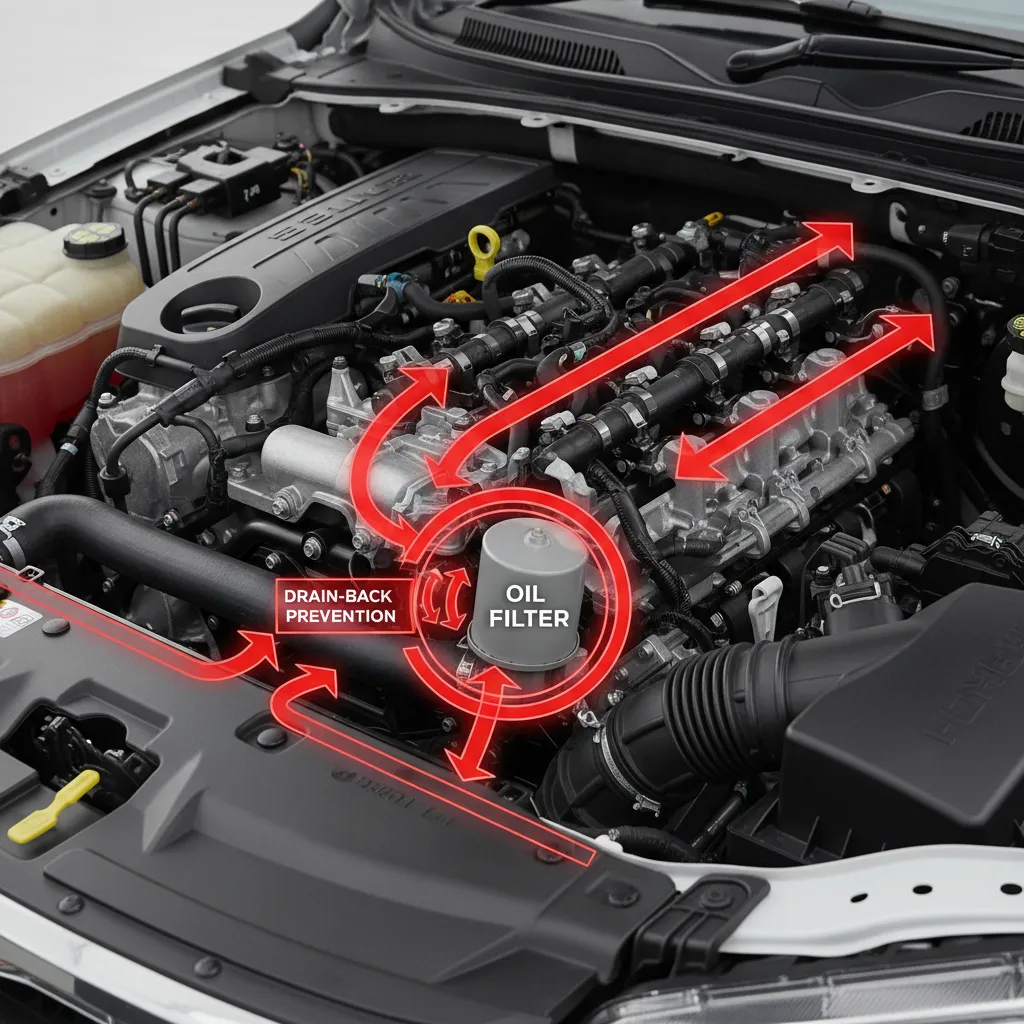
The Anti-Drain Back Valve (ADBV) is a silicone or nitrile rubber flap that prevents oil from draining out of the filter and back into the sump when the engine is turned off. This ensures that the filter remains full of oil, allowing for immediate oil pressure the next time the engine is started.
Silicone vs. Nitrile: Genuine Motorcraft filters for the Ranger typically use high-quality silicone ADBVs. Silicone retains its elasticity in extreme temperatures, from freezing alpine mornings to the heat of heavy towing. Many budget aftermarket filters use nitrile rubber, which hardens and becomes brittle over time. Once the nitrile hardens, the valve fails to seal, allowing oil to drain back.
The Result: The “dry start.” When you start a Ranger with a failed ADBV, you may hear a rattling noise for a few seconds. This is the sound of metal grinding on metal before the oil pump can refill the filter and build pressure. Over time, these dry starts cumulatively destroy the engine.
The Impact of NZ Driving Conditions on Oil Filtration
New Zealand presents a unique set of challenges for the Ford Ranger, which is consistently the country’s best-selling vehicle. These conditions make the choice of a genuine filter even more pertinent.
High-Load Towing
Kiwis frequently use Rangers to tow boats, caravans, and trade trailers. Towing places the engine under high load, increasing oil temperatures. Hotter oil is thinner, and the filter media must remain stable under this thermal stress. Motorcraft filters use resin-impregnated media that does not degrade in high heat.
Off-Road Dust and Debris
Rural driving and off-roading expose the engine to higher levels of ambient dust. While the air filter handles air intake, the oil filter must handle the soot and silica that inevitably make their way into the oil. The high capacity of Motorcraft filters ensures they can hold a significant amount of contaminants between service intervals without clogging.
Bulk Buy Options for DIYers in NZ
For the DIY enthusiast or the fleet owner in New Zealand, purchasing genuine Motorcraft filters does not have to break the bank. Buying single units from a dealership parts counter is often the most expensive route. However, sourcing “Genuine vs aftermarket oil filter Ranger” packs in bulk is a strategic move.
Advantages of Bulk Buying:
- Cost Per Unit: Buying a carton of 6 or 12 filters can reduce the per-unit cost significantly, often bringing the price of a genuine filter close to that of a premium aftermarket brand.
- Consistency: You ensure that every service is performed with the correct part, maintaining your service history integrity.
- Availability: Supply chain issues can lead to stock shortages. Having a supply on the shelf ensures you aren’t forced to use an inferior substitute during a scheduled service.
Many specialized Ford parts importers in NZ offer these bulk packs specifically for the Ranger PX1, PX2, and PX3 models.
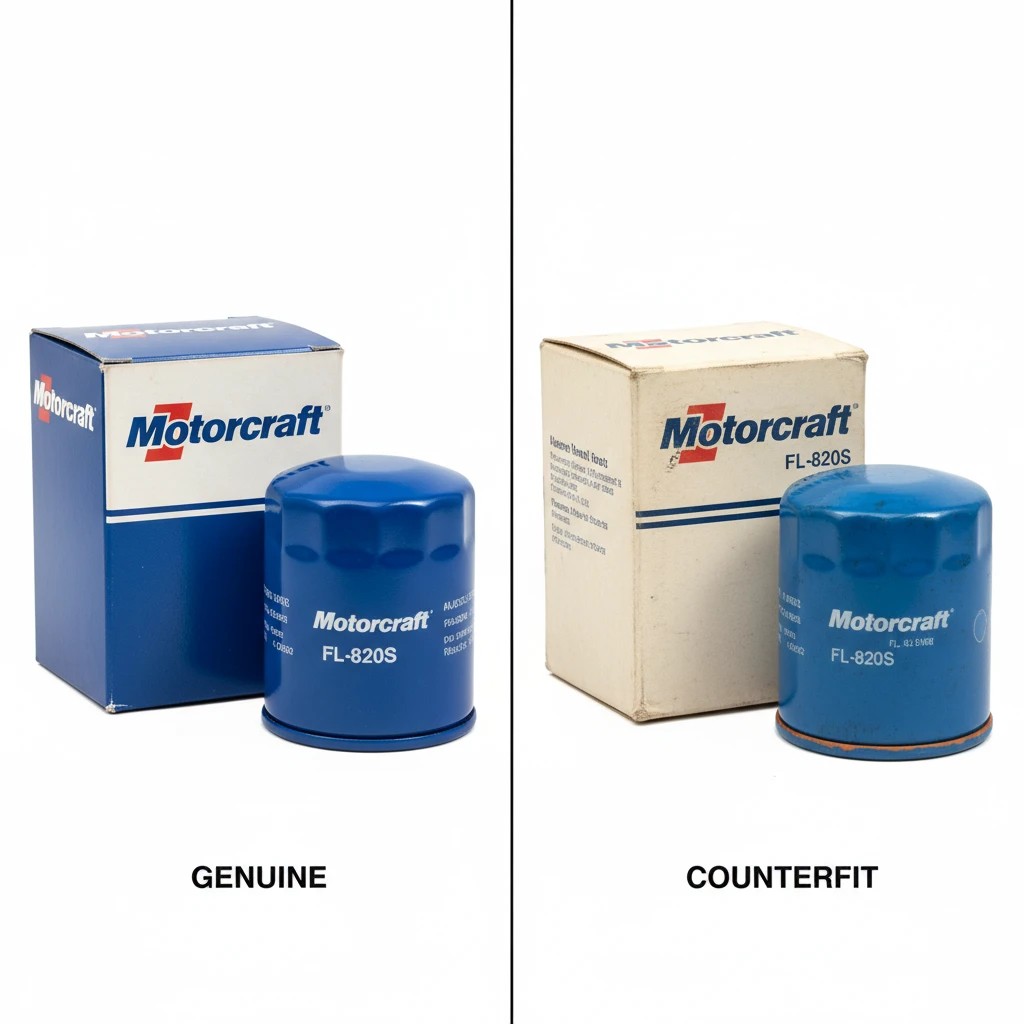
How to Spot Fake Motorcraft Filters
With the popularity of the Ford Ranger, counterfeit parts have flooded the market. A fake filter can be worse than a cheap aftermarket one.
Visual Checks:
- The Flutes: Genuine Motorcraft filters have distinct fluting on the canister end for removal tools. Fakes often have smooth or poorly defined flutes.
- The Print: Inspect the logo and part number printing. Genuine filters have crisp, laser-etched or high-quality paint markings. Fakes often smudge or look pixelated.
- The Base Plate: Look for the “ZZ” or similar production codes stamped into the metal base plate. Counterfeits often lack these manufacturing stamps.
Conclusion: Is the Saving Worth the Risk?
When weighing up the genuine vs aftermarket oil filter Ranger decision, the evidence heavily favors the genuine Motorcraft component. The Ford Ranger is a sophisticated machine that demands precise lubrication. The few dollars saved on an aftermarket filter pale in comparison to the cost of a replacement turbocharger or a short-block engine rebuild.
For New Zealand owners, sticking to Motorcraft ensures that the bypass valve settings, micron ratings, and anti-drain back features are perfectly aligned with the engine’s design, providing peace of mind whether you are commuting in Auckland or crossing a river in the Southern Alps.
People Also Ask
Are Ryco filters as good as Motorcraft for Ford Ranger?
While Ryco is a reputable aftermarket brand in Australia and New Zealand that generally meets OEM specifications, Motorcraft filters are engineered by Ford specifically for the engine’s harmonics and pressure dynamics. For warranty retention and guaranteed adherence to factory bypass valve PSI settings, Motorcraft remains the superior choice for the Ranger.
What is the correct oil filter part number for a Ford Ranger 3.2 diesel?
For the Ford Ranger PX 3.2L Duratorq diesel engine, the common genuine Motorcraft oil filter part number is BB3Q-6744-BA (or colloquially just the “6744”). However, always verify with your VIN number as variations exist between year models and production runs.
How often should I change the oil filter on my Ford Ranger?
Ford New Zealand typically recommends service intervals of 15,000km or every 12 months. However, for vehicles used for heavy towing, off-roading, or commercial work (“severe service”), it is highly recommended to reduce this interval to every 7,500km or 10,000km to prolong engine life.
Does using an aftermarket oil filter void my Ford warranty?
Technically, under consumer laws, using a non-genuine part does not automatically void a warranty unless that specific part causes a failure. However, if an engine failure is traced back to oil starvation caused by an aftermarket filter’s faulty bypass valve, Ford will likely deny the warranty claim. Using genuine parts eliminates this dispute.
Can I use a reusable stainless steel oil filter on my Ranger?
Reusable stainless steel filters are generally not recommended for daily driven diesel engines like the Ranger. While they offer high flow, their filtration efficiency (micron rating) is often lower than disposable synthetic media filters, allowing finer soot particles to circulate and wear down engine bearings.
Why does my Ford Ranger oil filter leak after changing?
Leaks usually occur due to “double gasketing” (where the old gasket sticks to the engine block and the new filter is screwed on top) or incorrect torque application. It can also happen if an aftermarket filter with a slightly different base plate profile does not seat correctly against the housing.