

Mud Flaps & Underbody Protection
Ford Ranger bash plates in NZ are specialized, heavy-duty armor panels designed to bolt onto the vehicle’s chassis, providing critical impact protection for the engine sump, transmission, and radiator. Essential for New Zealand’s rugged off-road terrain, they replace factory splash guards to prevent catastrophic mechanical failure caused by rocks, stumps, and deep ruts.
For New Zealand Ford Ranger owners, the transition from the showroom floor to the rugged backcountry requires more than just all-terrain tires and a suspension lift. The underbelly of your 4×4 is home to its most vital organs, yet it often remains the most exposed area. Whether you are navigating the river crossings of the South Island or the muddy tracks of the Waitakere Ranges, upgrading to high-quality Ford Ranger bash plates is not merely an accessory choice—it is an insurance policy for your vehicle’s longevity.
What Are Ford Ranger Bash Plates and Why Do You Need Them?
In the context of New Zealand’s diverse and often unforgiving landscape, a bash plate is a reinforced shield that replaces the thin, plastic, or tin factory “splash guards” found on stock vehicles. While factory guards are sufficient for deflecting light road debris and airflow, they offer virtually no structural resistance against the weight of the vehicle landing on a rock or a tree stump.
Ford Ranger bash plates NZ market options are specifically engineered to withstand high-impact forces. When you are traversing technical terrain, the clearance between your differential and the ground changes dynamically. A sudden drop into a rut can slam the undercarriage against the earth. Without a bash plate, this impact is transferred directly to the oil pan (sump), the transmission housing, or the intercooler. A cracked sump leads to immediate oil loss and engine seizure, stranding you miles from civilization.
Protecting the Sump and Transmission
The hierarchy of underbody protection generally starts at the front and works its way back. For the Ford Ranger (spanning PX1, PX2, PX3, and the Next-Gen models), the most critical zones are the radiator, the engine sump, and the transmission.
The Vulnerability of the Sump
The engine sump sits relatively low in the engine bay. It is essentially a reservoir holding your engine’s oil. On a standard Ranger, this component is made of stamped steel or cast aluminum depending on the engine variant. If a jagged rock punctures this reservoir, oil pressure drops to zero instantly. High-quality bash plates act as a sledge, allowing the vehicle to slide over obstacles rather than catching on them. The design usually features angled approaches to facilitate this sliding motion, effectively ramping the vehicle up and over the hazard.
Transmission and Transfer Case Armor
Moving further back, the transmission and transfer case are the next line of defense. These components are complex, expensive to repair, and hang lower than the chassis rails in some configurations. A comprehensive underbody protection system will include a transmission plate that interlocks with the front sump plate. This creates a continuous smooth surface beneath the vehicle, reducing drag in deep mud and preventing branches or debris from wedging into the shift linkages or electrical connectors.
Steel vs. Aluminum: Choosing the Right Material
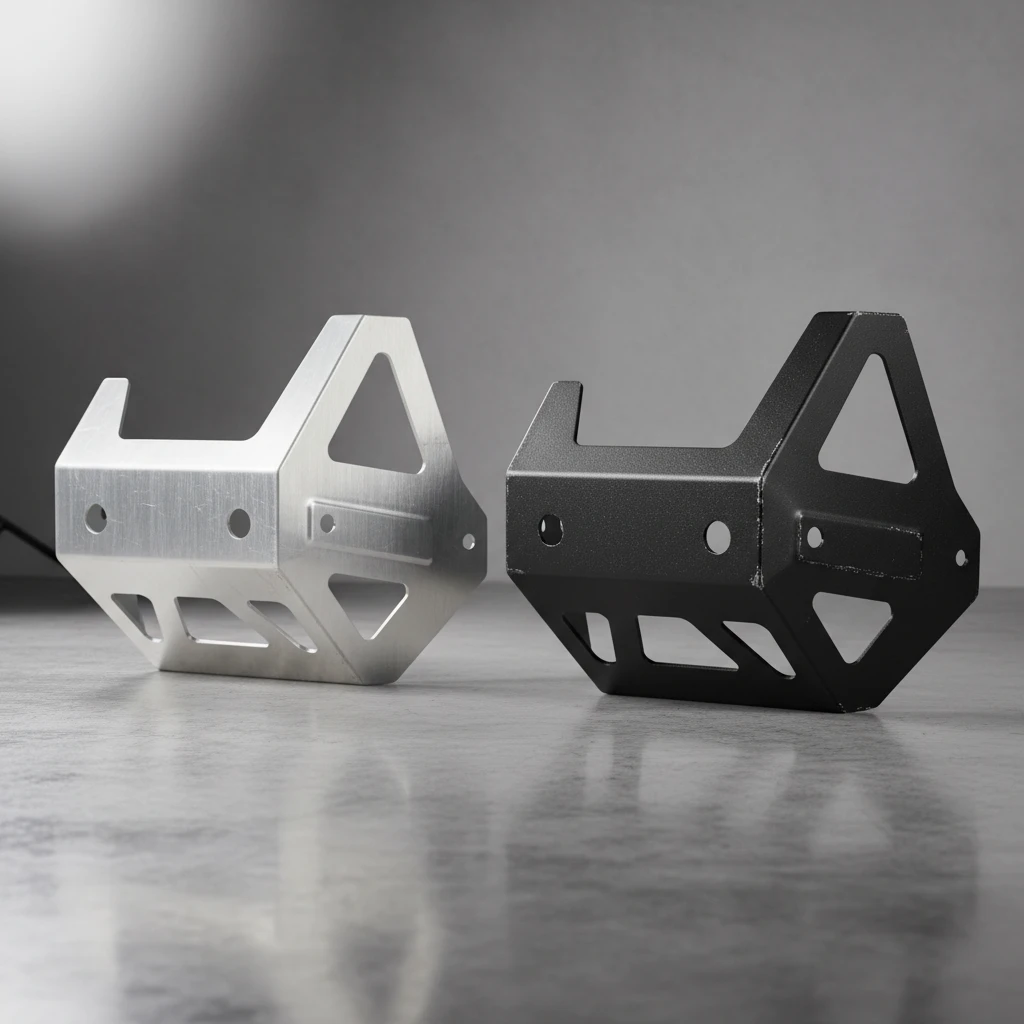
When shopping for Ford Ranger bash plates in NZ, you will typically encounter two primary material choices: Structural Steel and High-Tensile Aluminum. Understanding the trade-offs is vital for selecting the right gear for your specific application.
3mm to 4mm Stainless or Mild Steel
Steel is the traditional choice for hardcore off-roading. It is incredibly durable, resistant to gouging, and has a high modulus of elasticity, meaning it can take a hit and spring back (to an extent) or deform without cracking.
- Pros: Superior impact resistance, lower cost, slides well over rocks.
- Cons: Heavier (adding weight to the front axle), susceptible to rust if the coating is breached.
For the commercial user or the serious 4WD enthusiast tackling the Southern Alps, 4mm steel is often the gold standard.
6mm Marine Grade Aluminum
Aluminum bash plates are gaining popularity due to their weight-saving properties. A 6mm aluminum plate offers comparable strength to a 3mm steel plate but weighs significantly less.
- Pros: Lightweight (better for fuel economy and suspension dynamics), naturally corrosion-resistant.
- Cons: More expensive, tends to “grab” on rocks rather than slide, can crack under extreme repeated stress.
Heavy Duty Mud Flap Sets
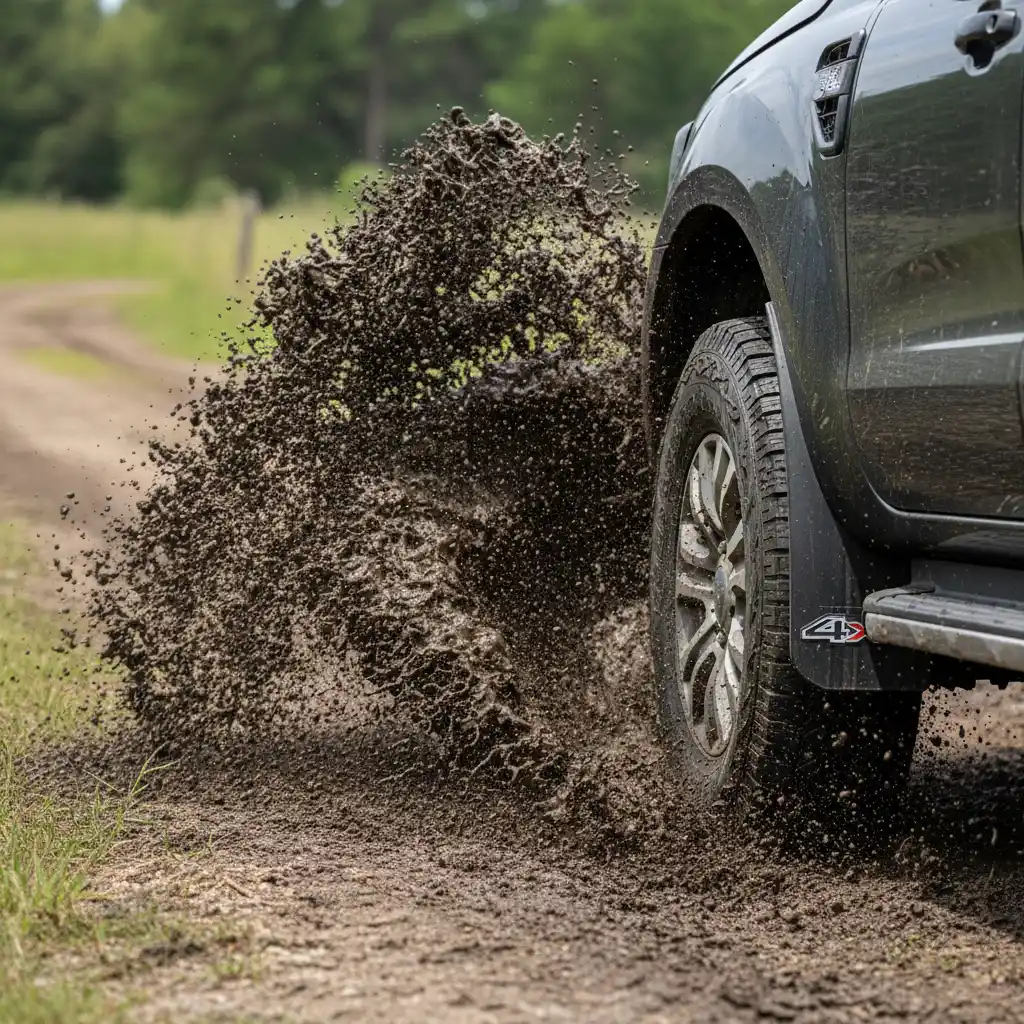
While bash plates protect the vehicle from the ground up, heavy-duty mud flaps protect the vehicle (and those behind it) from the tires back. The Ford Ranger, particularly when fitted with aggressive all-terrain or mud-terrain tires, is notorious for flinging stones, gravel, and mud at high velocities.
Why Stock Flaps Fail
Factory mud flaps are often made of rigid plastic. In an off-road environment, rigid plastic is a liability. When you reverse over a log or drop off a ledge, a rigid flap can get pinched between the tire and the obstacle, ripping it straight off the fender liner.
The Flexible Solution
Aftermarket heavy-duty mud flaps are typically constructed from reinforced rubber or flexible polyurethane. These materials are designed to bend and flex upon impact, returning to their original shape immediately.
Furthermore, they are usually wider and longer than stock options, providing broader coverage. This is crucial for complying with New Zealand transport regulations, which require the tire tread to be covered to prevent debris from becoming a projectile hazard for other road users. Protecting your own paintwork from stone chips along the sills and rear quarter panels is a secondary, financial benefit of upgrading your flaps.
Rust Prevention for Coastal Driving
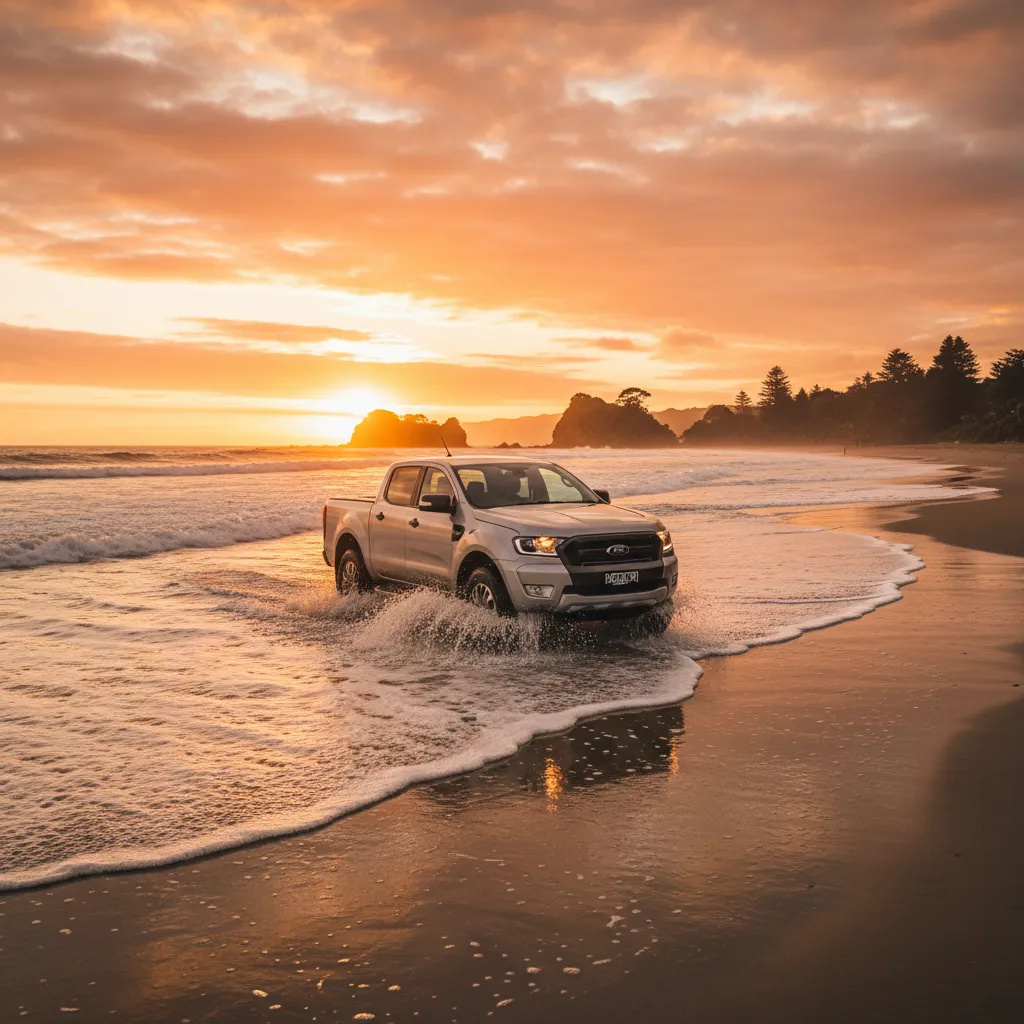
New Zealand is a coastal nation; no part of the country is far from the sea. This geography introduces a significant threat to underbody components: salt spray. Whether you are launching a boat, driving on Muriwai Beach, or simply living in a coastal zone, salt accelerates oxidation rapidly.
Coatings Matter
When selecting Ford Ranger bash plates in NZ, the finish is as important as the base material.
- Electro-Zinc Plating: A common base treatment that offers galvanic protection.
- Powder Coating: Provides a hard, durable skin that resists chipping. However, if deep scratches occur on steel plates, rust can spread underneath.
- Hot-Dip Galvanizing: The ultimate protection for steel, though less common due to the rough finish.
Maintenance Routine
To ensure your underbody protection lasts, a post-trip washdown is non-negotiable. Use a high-pressure hose to blast salt and sand out of the crevices between the bash plate and the chassis. Sand trapped here acts like a wet sponge, holding salty moisture against the frame rails, leading to severe structural corrosion over time. Periodic inspection of the mounting bolts is also recommended, as vibrations from corrugated roads can loosen hardware.
Installation and Model Compatibility
One of the most common questions regarding underbody protection is fitment. The Ford Ranger platform has evolved, and bash plates are not universally interchangeable between generations.
PX Series vs. Next-Gen
The mounting points on the chassis differ between the PX1 (2011-2015), PX2/PX3 (2015-2022), and the Next-Gen Ranger (2022+). Furthermore, the presence of a bull bar can alter how the front bash plate integrates. Many premium bash plate manufacturers in NZ design their front panels to be compatible with popular bull bar brands (like ARB, Ironman, or factory bars), but it is critical to verify this before purchase.
DIY vs. Professional Installation
Installing bash plates is generally a straightforward bolt-on task that can be performed in a driveway with basic hand tools (sockets and wrenches). However, the plates are heavy. Using a floor jack to hold the plate in position while you thread the bolts makes the job significantly easier. Always apply anti-seize compound to the bolts to ensure they can be removed easily for future vehicle servicing.
Conclusion
Investing in high-quality Ford Ranger bash plates in NZ is a decision that pays dividends the moment you hear that first loud “clunk” under your truck. Instead of a tow truck bill and a replacement engine, you get a scratch on a steel plate and a story to tell. By combining robust underbody armor with heavy-duty mud flaps and a strict rust-prevention maintenance schedule, you ensure your Ranger remains the commercial workhorse and off-road weapon it was designed to be.
People Also Ask
Do bash plates affect engine cooling?
Generally, no. well-designed aftermarket bash plates include ventilation slots or louvers specifically placed to maintain airflow to the engine and transmission while still blocking large debris.
Are aluminum bash plates strong enough for rock crawling?
For moderate off-roading, yes. However, for extreme rock crawling where the vehicle’s full weight rests on the rocks, 4mm steel is preferred as aluminum tends to gouge and grab rather than slide.
Do I need to remove bash plates for an oil change?
It depends on the design. Many premium bash plates feature service access panels or removal ports for the oil drain plug, allowing for maintenance without removing the entire heavy plate.
Will aftermarket bash plates fit with a factory bumper?
Yes, most bash plates are designed to work with the factory bumper, but you must select the specific kit for your model year (e.g., PX2 vs Next-Gen) to ensure the approach angle and mounting points align.
How much weight do steel bash plates add to the Ford Ranger?
A full set of steel underbody protection (sump and transmission) typically adds between 30kg to 50kg. This weight is carried low, which helps the center of gravity but should be considered when calculating payload.
Can I install bash plates myself?
Yes, installation is typically a bolt-on process using existing chassis holes. No drilling is usually required, making it a manageable DIY project for anyone with basic mechanical skills.