
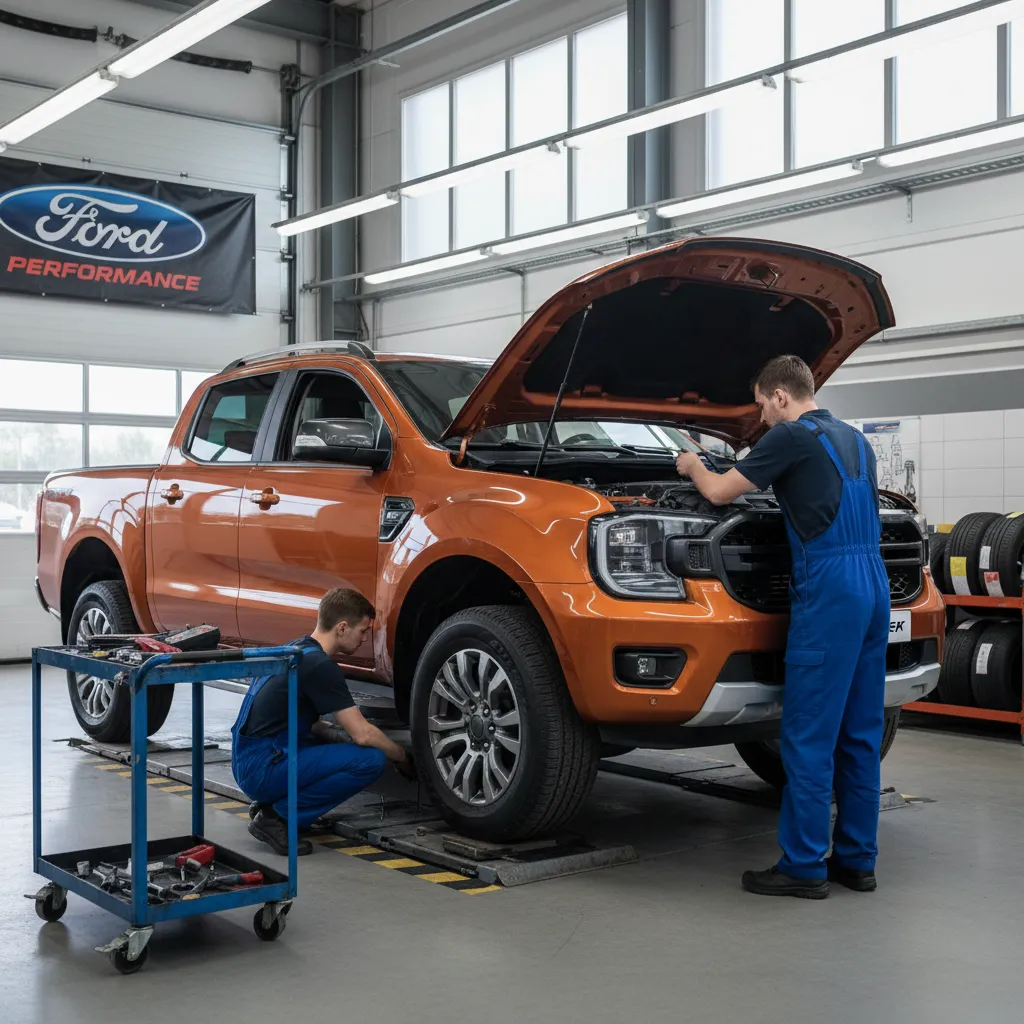
Next-Gen Ranger (2022+) Maintenance Hub
The Next-Gen Ranger maintenance schedule typically requires service intervals every 15,000 kilometers or 12 months, whichever occurs first, for New Zealand driving conditions. This regimen ensures optimal performance for both the 2.0L Bi-Turbo and 3.0L V6 Diesel engines, covering critical oil changes, filter replacements, and comprehensive system checks to maintain Ford New Zealand warranty compliance and resale value.
For owners of the 2022+ Ford Ranger (PY Model), adhering to a strict maintenance protocol is not merely a suggestion; it is an engineering necessity. The Next-Gen platform introduces sophisticated powertrains and advanced electronics that demand precise care. Whether you are operating a commercial fleet or a weekend adventure vehicle, understanding the nuances of the maintenance schedule and the necessity of genuine parts is the key to longevity.
The Next-Gen Ranger Maintenance Schedule Breakdown
The 2022+ Next-Gen Ranger has been engineered to withstand rigorous use, but its durability relies heavily on preventative maintenance. In New Zealand, where terrain varies from alpine passes to coastal highways, the standard “A” and “B” service logic applies, but with specific attention to the diesel particulate filter (DPF) and AdBlue systems.
The 15,000km / 12-Month Service (Service A)
This is the foundational service for your Ranger. At this interval, the primary focus is on engine lubrication and safety inspections. For the modern diesel engines found in the Next-Gen lineup, oil degradation is monitored by the Intelligent Oil Life Monitor (IOLM), but a physical change is mandatory at this cap.
- Engine Oil and Filter: Full replacement using Ford-specified synthetic oil.
- Vehicle Health Check: Diagnostic scan for any dormant trouble codes (DTCs).
- AdBlue Top-up: Replenishing the Diesel Exhaust Fluid to ensure emissions compliance.
- Tire Rotation and Brake Inspection: Checking pad thickness and rotor condition.
The 30,000km / 24-Month Service (Service B)
The “B” service is more comprehensive. In addition to the items covered in the 15,000km check, this interval often involves checking cabin filters and fuel filters, depending on fuel quality and usage. In New Zealand, where diesel quality is generally high but condensation can occur, checking the water separator is vital.
Long-Term Intervals (60,000km+)
As the vehicle matures, the maintenance schedule expands to include transmission fluid checks (for the 10R80 10-speed automatic), transfer case fluids, and differential oils. The Next-Gen Ranger utilizes an electronic shifter and advanced 4WD modes, making clean fluid essential for smooth engagement of 4H and 4L modes.
Warranty-Approved Service Parts: The Genuine Advantage
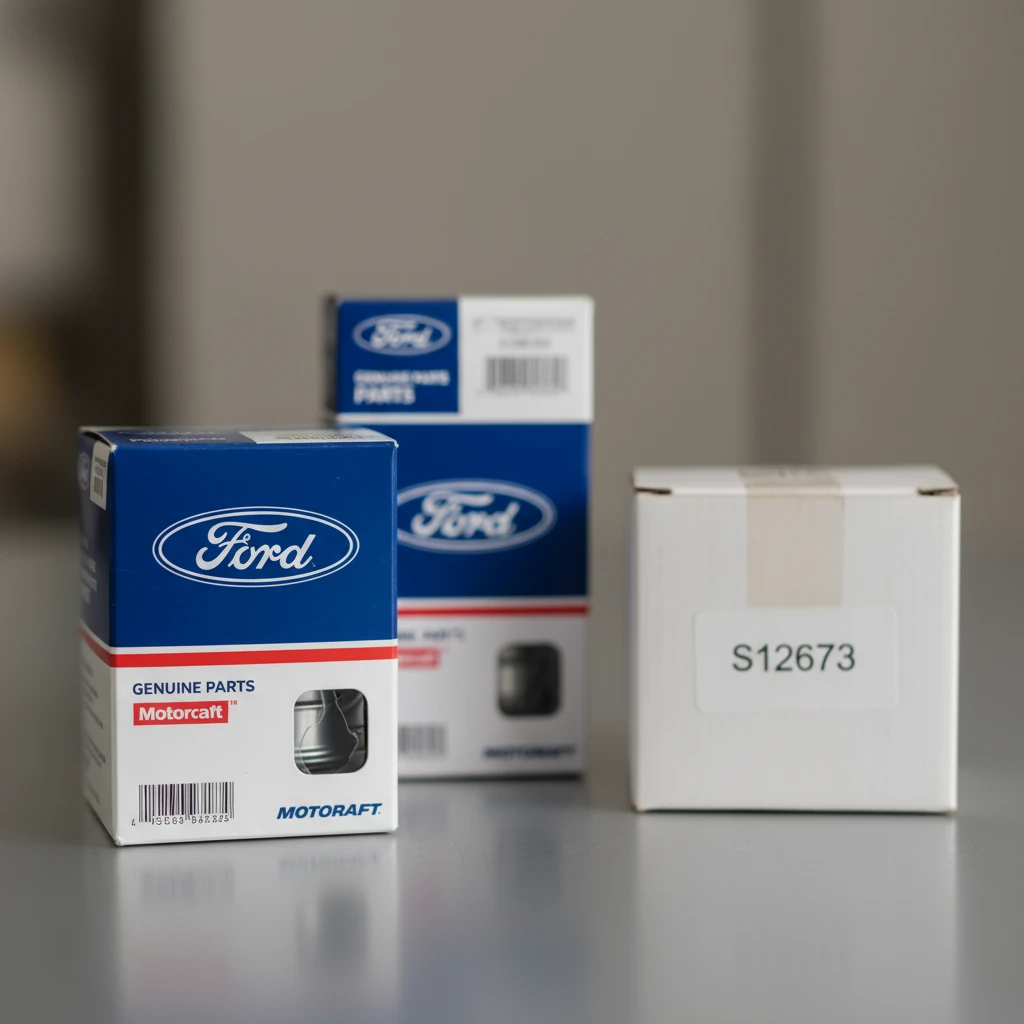
When maintaining a vehicle under the manufacturer’s warranty, the provenance of your parts is non-negotiable. Ford New Zealand’s warranty coverage requires that parts meet specific engineering standards. Using non-genuine or “white box” parts can lead to catastrophic failures that may not be covered.
The Risks of Aftermarket Filtration
The tolerances in the Next-Gen fuel injection system are measured in microns. Aftermarket fuel filters often lack the precise filtration media required to protect the high-pressure fuel pump and injectors from microscopic debris. A failure in the fuel system due to poor filtration can cost upwards of $10,000 NZD to rectify.
Genuine Ford Parts guarantee:
- Fitment Precision: No forcing or modifying required for installation.
- Material Integrity: Filters that won’t collapse under high oil pressure.
- Sensor Compatibility: Brake pads that work seamlessly with the autonomous emergency braking (AEB) system.
V6 Diesel vs. Bi-Turbo: Component Differences
One of the most significant changes in the Next-Gen Ranger is the introduction of the 3.0L V6 Turbo Diesel alongside the proven 2.0L Bi-Turbo. These two engines have distinct maintenance requirements and component sets. Owners must ensure they are purchasing the correct service kits, as very few consumable parts are interchangeable between the two powertrains.
The 3.0L V6 Turbo Diesel (Lion V6)
The V6 is a powerhouse, delivering 184kW and 600Nm. However, it is a physically larger engine with higher fluid capacities.
- Oil Capacity: The V6 typically requires a significantly higher volume of oil compared to the 2.0L. Using the incorrect volume can lead to oil starvation or aeration.
- Filter Location: The oil filter housing is located differently, requiring specific tools for removal without causing a mess in the engine bay.
- Timing Chain: The V6 utilizes a timing chain system designed for the life of the engine, provided oil changes are strictly adhered to.
The 2.0L Bi-Turbo Diesel (Panther)
The Bi-Turbo is a high-efficiency unit that relies on complex turbocharging geometry.
- Turbo Maintenance: The sequential turbo setup requires high-quality oil to prevent coking in the bearings. Neglecting oil changes is fatal for these turbos.
- Timing Belt: Unlike the V6 chain, the 2.0L engine utilizes a timing belt (often a wet belt system in modern Ford architectures, though specific implementation varies by year, check your specific VIN). This is a critical maintenance item at higher mileage.
- AdBlue Consumption: The 2.0L can sometimes consume AdBlue at a different rate depending on load, requiring frequent checks if towing heavy loads.

Critical Fluids and Filtration Specifications
Using the correct fluids is the single most important factor in Next-Gen Ranger maintenance. Ford has developed specific chemical standards (WSS specs) that fluids must meet.
Engine Oil Viscosity and Specification
For the Next-Gen Ranger, you cannot simply grab any diesel oil off the shelf. The engines require low-viscosity synthetic oils (typically 0W-20 or 5W-30 depending on the specific engine code and climate) that meet Ford’s stringent WSS-M2C specifications. These oils are designed to flow quickly at startup—reducing wear—and withstand the extreme heat of the turbochargers.
Transmission Fluid (Mercon ULV)
The 10-speed automatic transmission uses Ultra Low Viscosity (ULV) fluid. This fluid is designed to reduce parasitic drag and improve fuel economy. Putting standard ATF in a 10R80 transmission will result in poor shift quality and potential transmission failure.
Adjusting for New Zealand Severe Driving Conditions
The standard maintenance schedule assumes “normal” driving. However, many NZ owners fall into the “Severe Service” category. If you utilize your Ranger for any of the following, you should consider halving your oil change intervals (e.g., every 7,500km):
- Heavy Towing: Pulling boats, caravans, or horse floats regularly puts immense thermal load on the engine and transmission.
- Off-Roading: Low-speed, high-load driving (crawling) does not register many kilometers but runs the engine for hours. Dust ingress also loads air filters rapidly.
- Short Trips: Frequent trips under 10km where the engine does not reach operating temperature prevent the evaporation of condensation in the crankcase.
- Idling: Commercial site vehicles that idle for long periods need service based on engine hours, not kilometers.
Next-Gen Specific Accessories and Protection
Maintenance isn’t just about the engine; it’s about preserving the entire vehicle. The Next-Gen Ranger features a wider track and longer wheelbase, meaning previous generation accessories will not fit.
Functional Upgrades
To reduce maintenance costs caused by damage, consider these genuine or approved accessories:
- Bonnet Protectors: Prevent stone chips which can lead to rust on the leading edge of the hood.
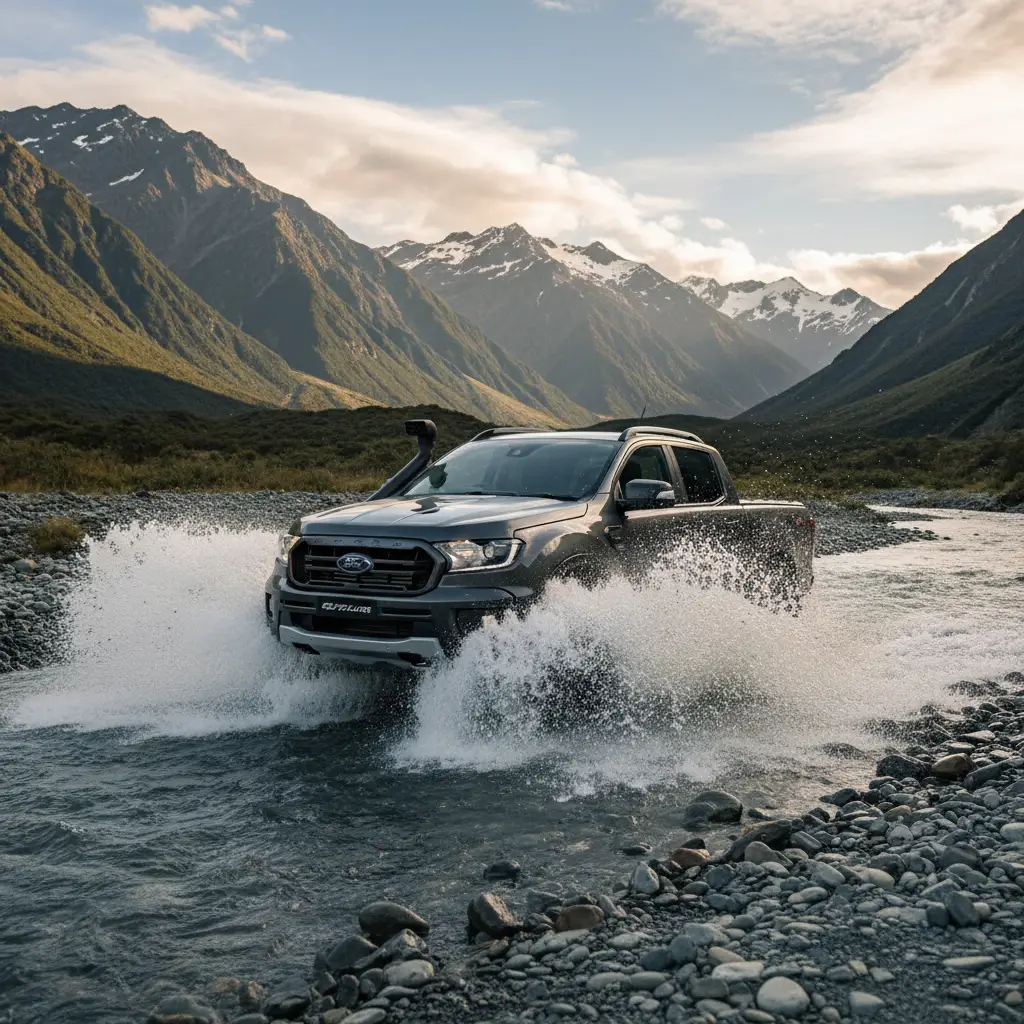
- Snorkels: Essential for NZ river crossings and dusty gravel roads. A snorkel raises the air intake, feeding cleaner, cooler air to the filter, extending its life.
- Underbody Protection: The Next-Gen chassis is robust, but the steering components and sump are vulnerable during heavy off-roading. Steel bash plates are a wise investment.
Frequently Asked Questions
What is the oil capacity of the Next-Gen Ranger V6?
The 3.0L V6 Diesel engine in the Next-Gen Ranger generally holds approximately 9 to 9.5 liters of oil, though this can vary slightly based on filter changes and drainage. Always verify with the dipstick after filling and refer to your owner’s manual for the exact specification.
How do I reset the oil life monitor on a 2022+ Ranger?
To reset the oil life monitor, navigate to the vehicle settings on the digital instrument cluster or the SYNC 4 screen. Look for ‘Vehicle Maintenance’ or ‘Oil Life,’ press and hold the ‘OK’ button on the steering wheel until the reset confirms. This should only be done after an oil change.
Does the Next-Gen Ranger require AdBlue?
Yes, both the 2.0L Bi-Turbo and the 3.0L V6 diesel engines utilize AdBlue (Diesel Exhaust Fluid) to meet Euro 6 emissions standards. The vehicle will warn you when the level is low, and allowing it to run empty will prevent the engine from starting.
How often should I change the fuel filter?
Under normal conditions, the fuel filter is typically changed every 30,000km or 2 years. However, in New Zealand, if you suspect poor fuel quality or drive in remote areas, it is recommended to inspect it at every service (15,000km) and drain the water separator regularly.
Can I use aftermarket parts without voiding my warranty?
While consumer laws protect your choice of repairer, using aftermarket parts that fail and cause damage to the vehicle will not be covered by Ford’s warranty. Using Genuine Ford Parts ensures that the warranty remains intact for those specific components and related systems.
What is the difference between Service A and Service B?
Service A is a standard interim service (usually annually or 15,000km) focusing on oil, filter, and safety checks. Service B is a major service (usually bi-annually or 30,000km) that includes everything in Service A plus additional replacements like cabin air filters, engine air filters, and fuel filters.