

PX3 (2018-2022) Bi-Turbo & Tech Parts
The most common Ford Ranger PX3 problems include 10-speed transmission overheating and gear hunting, premature wear on the 2.0L Bi-Turbo ‘wet belt’ timing system, and AdBlue heater element failures. Owners also report electrical issues with the Start-Stop system and intercooler hose splitting under heavy load.
The Ford Ranger PX3 (produced between 2018 and 2022) marked a significant technological leap for New Zealand’s favorite ute. Moving away from the agricultural feel of earlier models, the PX3 introduced the advanced 2.0L Bi-Turbo engine, a 10-speed automatic transmission, and sophisticated emissions systems. While these upgrades offered improved fuel economy and refinement, they also introduced a new set of mechanical complexities.
For owners and mechanics alike, understanding these specific fault points is critical. Unlike the older 3.2L Duratorq engines, the high-tech Panther engines require precision maintenance and specific genuine parts to ensure longevity. This guide serves as a technical authority on diagnosing and rectifying the most prevalent issues found in the PX3 platform.
2.0L Bi-Turbo Engine: The ‘Wet Belt’ & Oil Issues
The introduction of the 2.0L Bi-Turbo (Panther) engine was controversial for die-hard 3.2L fans, but it offers impressive torque figures. However, the engineering tolerances are tighter, and the maintenance requirements are far stricter. The primary concern for this powerplant revolves around its timing system and lubrication.

What is the ‘Wet Belt’ Timing System Issue?
Unlike the 3.2L engine which utilizes a timing chain, the 2.0L Bi-Turbo uses a timing belt that runs inside the engine oil (Belt-in-Oil system). The primary drive belt and the oil pump belt are both submerged in the engine’s oil supply.
The Problem: Over time, or if incorrect oil is used, the belt material can begin to degrade and delaminate. Fibers from the deteriorating belt can detach and migrate into the oil sump pickup screen (strainer). This blockage starves the oil pump, leading to a catastrophic drop in oil pressure and potential engine seizure.
The Fix: Strict adherence to oil change intervals is non-negotiable. You must use the specific Ford-spec oil (0W-30 meeting WSS-M2C950-A). Furthermore, the timing belt replacement interval should be adhered to religiously—or even preemptively shortened if the vehicle is used for heavy towing or off-road work in New Zealand conditions. When replacing these components, always use genuine Ford timing belt kits to ensure the material compound is compatible with the oil additives.
Oil Dilution and Turbo Wear
The Bi-Turbo setup uses a small high-pressure turbo for low RPM response and a larger low-pressure turbo for top-end power. These turbos rely heavily on clean oil for cooling and lubrication of the bearings.
Owners frequently report rising oil levels on the dipstick. This is caused by failed DPF regeneration cycles where unburnt diesel washes down the cylinder walls into the sump, diluting the oil. Diluted oil loses its protective film strength, which is fatal for high-speed turbo bearings. If you notice your oil level rising, an immediate oil change is required, followed by a diagnostic check of the DPF system.
10-Speed Transmission (10R80) Faults
The 10R80 transmission is a marvel of engineering, shared with the Ford Mustang and F-150, but in the Ranger PX3, it has exhibited specific behavioral issues that frustrate owners.
Why does the Ranger 10-speed transmission hunt for gears?
Many drivers experience indecisive shifting, clunking when coming to a stop, or “hunting” between gears at steady speeds. This is often software-related. The transmission features adaptive learning, which attempts to adjust shift points based on driving style. However, the factory calibration can sometimes become confused, particularly during the transition between city driving and highway cruising.
The Solution: In many cases, a Transmission Control Module (TCM) software update from a dealership or authorized specialist can resolve shift quality issues. Resetting the adaptive learning tables allows the transmission to “re-learn” proper shift patterns.

Overheating During Towing
The 10-speed transmission can run hot when towing heavy loads, such as caravans or boats, through New Zealand’s mountainous passes. The factory thermal management system is designed to warm the fluid up quickly for efficiency, but it can struggle to dissipate heat under sustained heavy load.
Preventative Measure: Installing a thermal bypass valve allows the transmission fluid to flow through the cooler immediately, rather than waiting for the fluid to reach a high temperature before the thermostat opens. Additionally, ensuring you use genuine Mercon ULV fluid is critical; standard ATF does not meet the ultra-low viscosity requirements of the 10R80 and will cause component failure.
AdBlue System & DPF Components
To meet Euro 5 emissions standards, the PX3 introduced the AdBlue (Diesel Exhaust Fluid) injection system. While effective for the environment, the system’s hardware is prone to specific failures.
AdBlue Heater & Pump Module Failure
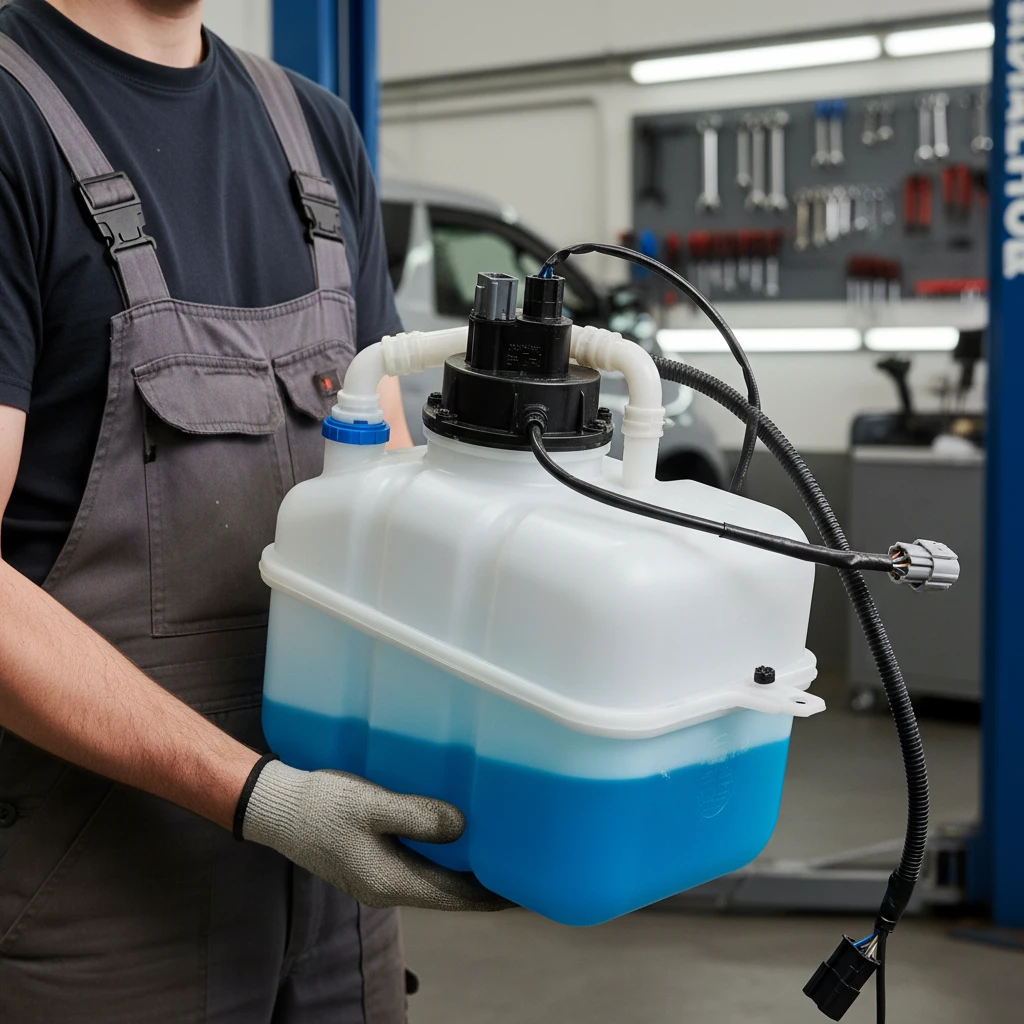
The most common fault code related to the emissions system often points to the AdBlue tank heater. The heater element is integrated into the pump module assembly inside the tank. Its job is to prevent the fluid from freezing and to ensure it is at the correct viscosity for injection.
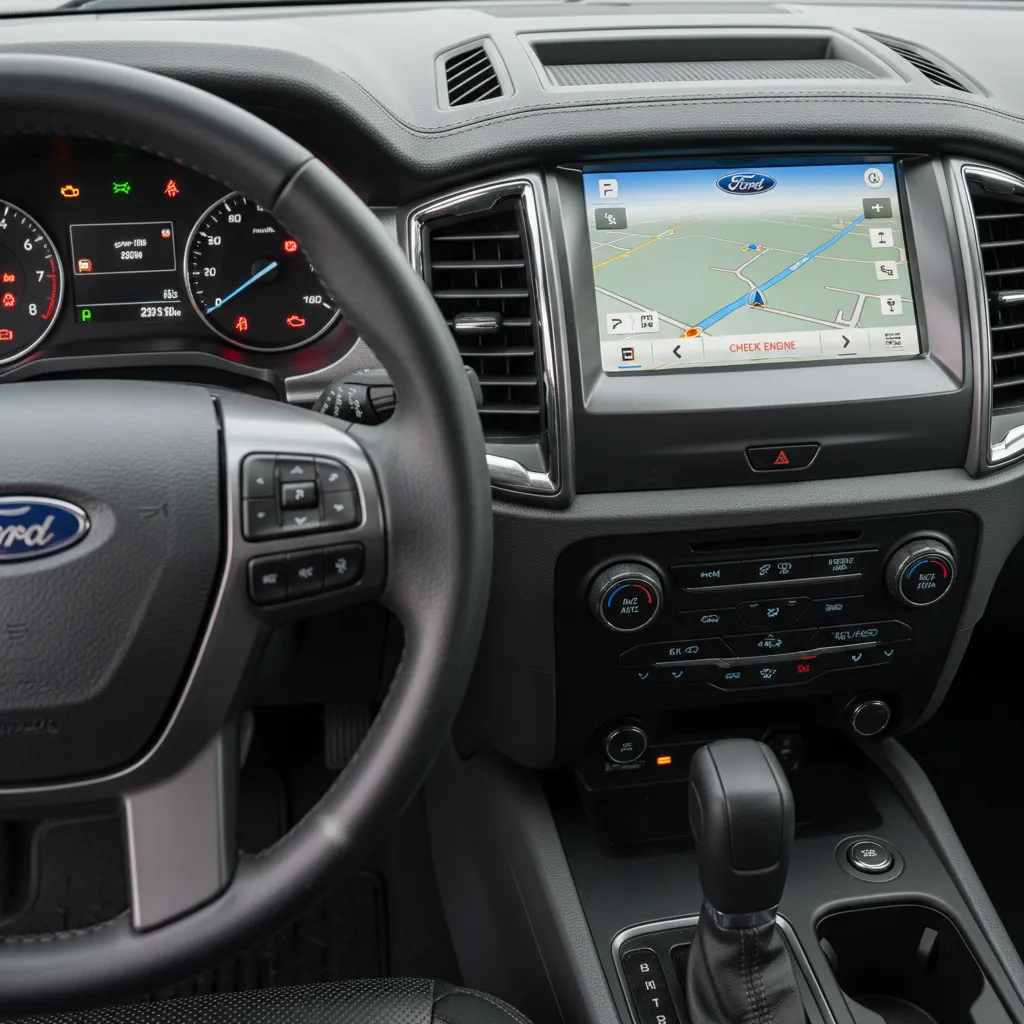
When this heater fails, the check engine light will illuminate, and the vehicle may eventually enter a “no start” countdown. Unfortunately, the heater is not always serviceable separately from the pump module. Replacing the entire reservoir pump assembly with a genuine unit is often the only reliable fix. Cheap aftermarket pumps frequently fail to communicate correctly with the ECU, leading to persistent error codes.
AdBlue Injector Crystallization
The injector that sprays the fluid into the exhaust stream can become clogged with crystallized urea. This is common in vehicles that do short trips where the exhaust doesn’t get hot enough to burn off deposits. A blocked injector leads to poor NOx reduction and DPF warnings. Regular highway driving and using fresh, high-quality AdBlue fluid can mitigate this.
Intercooler & Cooling System Weaknesses
Boost leaks are a performance killer on the Bi-Turbo engine. A sudden loss of power accompanied by a hissing noise usually points to one specific component.
Plastic Intercooler Pipe Failure
The factory intercooler piping on the cold side is made of plastic. Over time, heat cycles and the internal pressure from the turbos can cause this plastic to become brittle and crack. This is particularly common near the throttle body connection.
Upgrade Path: While you can replace this with another genuine plastic pipe, many owners opt for aftermarket silicone or aluminum hard pipe kits. However, if sticking to genuine parts for warranty or resale reasons, inspecting these pipes at every service is recommended.
EGR Cooler Issues
The Exhaust Gas Recirculation (EGR) cooler is another point of failure. Internal leaks can allow coolant to enter the intake or exhaust stream. If you are losing coolant but cannot see a visible puddle on the ground, the EGR cooler is a prime suspect. This requires immediate attention to prevent hydraulic locking of the engine.
Electrical & Start-Stop System Glitches
The PX3 is laden with technology, centered around the Sync 3 infotainment system and the Battery Management System (BMS).
Battery Management System (BMS) & Start-Stop
Owners often report that the Auto Start-Stop feature stops working. While some drivers prefer this, it is often a symptom of a battery that is not meeting the BMS requirements. The PX3 requires a high-performance AGM or EFB battery.
If a standard lead-acid battery is installed, or if a new battery is installed without resetting the BMS sensor via a diagnostic tool, the alternator will not charge it correctly. This leads to premature battery death and the disablement of non-essential electrical features.
Preventative Maintenance & Genuine Parts
Maintaining a Ford Ranger PX3 requires a shift in mindset from “fix it when it breaks” to “prevent it from breaking.” The complexity of the Bi-Turbo engine and 10-speed transmission means that cutting corners on parts is a false economy.
For New Zealand owners, specifically those utilizing the Ranger for its intended purpose—towing, hauling, and off-roading—the factory service intervals should be viewed as the maximum limit, not the target. Intermediate oil changes every 7,500km to 10,000km are highly recommended to protect the wet belt system and turbochargers.
When sourcing components, prioritize:
- Filters: Genuine Ford/Motorcraft oil filters (essential for correct flow rates and anti-drain back valves).
- Fluids: Strictly spec-compliant engine oil and Mercon ULV transmission fluid.
- Sensors: Genuine NOx and EGT sensors for the exhaust system (aftermarket sensors often have different resistance values causing ECU errors).
By addressing these common Ford Ranger PX3 problems proactively and utilizing high-quality components, the PX3 remains one of the most capable and comfortable utes on the market.
What are the signs of a failing 10-speed transmission in a Ranger?
Common signs include harsh or clunking gear changes (especially 1st to 3rd), delayed engagement when shifting from Park to Drive, and a whining noise from the transmission pump. If the transmission temperature gauge rises significantly while towing, it indicates the fluid is overheating.
How often should the timing belt be changed on a 2.0L Bi-Turbo Ranger?
Ford’s official interval is generally 240,000km or 10 years, but many specialists recommend changing the wet belt system much earlier—around 150,000km or 7 years—to prevent belt degradation and oil pickup blockage, especially in severe driving conditions.
Can I use aftermarket AdBlue in my Ford Ranger PX3?
Yes, you can use aftermarket AdBlue as long as it meets the ISO 22241 standard. However, ensure the fluid is fresh and not crystallized. Avoid cheap, uncertified fluids as they can damage the sensitive injector and pump module.
Why is my Ranger PX3 losing coolant but there are no leaks?
If there are no external leaks, the coolant may be leaking internally through a cracked EGR cooler. This allows coolant to enter the engine cylinders or exhaust system. This is a critical issue that requires immediate pressure testing.
Is the Ford Ranger 2.0L engine reliable?
The 2.0L Panther engine is generally reliable and capable of high mileage, provided it is serviced strictly. The primary reliability risks are associated with poor maintenance (wrong oil) affecting the wet belt, and DPF issues caused by exclusive city driving.
How do I fix the AdBlue system error on my Ranger?
If you have a “AdBlue System Malfunction” or “No Start in XXX km” warning, it is most likely a failed heater element in the tank or a blocked injector. Scanning the vehicle for codes is the first step. In many cases, replacing the reservoir pump assembly is the required fix.