
A Ford Ranger service kit price comparison reveals that DIY enthusiasts can save between 40% to 60% compared to dealership labor and markup costs. By purchasing pre-bundled genuine Ford parts, owners ensure warranty compliance while reducing maintenance expenses significantly, with standard kits ranging from $150 to $350 NZD depending on the specific service interval.
Why Use Pre-Bundled Service Kits?
For New Zealand Ford Ranger owners, maintaining the reliability of their ute is paramount, whether it is used for towing heavy loads, off-roading, or the daily commute. One of the most efficient ways to manage this maintenance is through the use of pre-bundled service kits. But what makes these bundles superior to purchasing individual components?
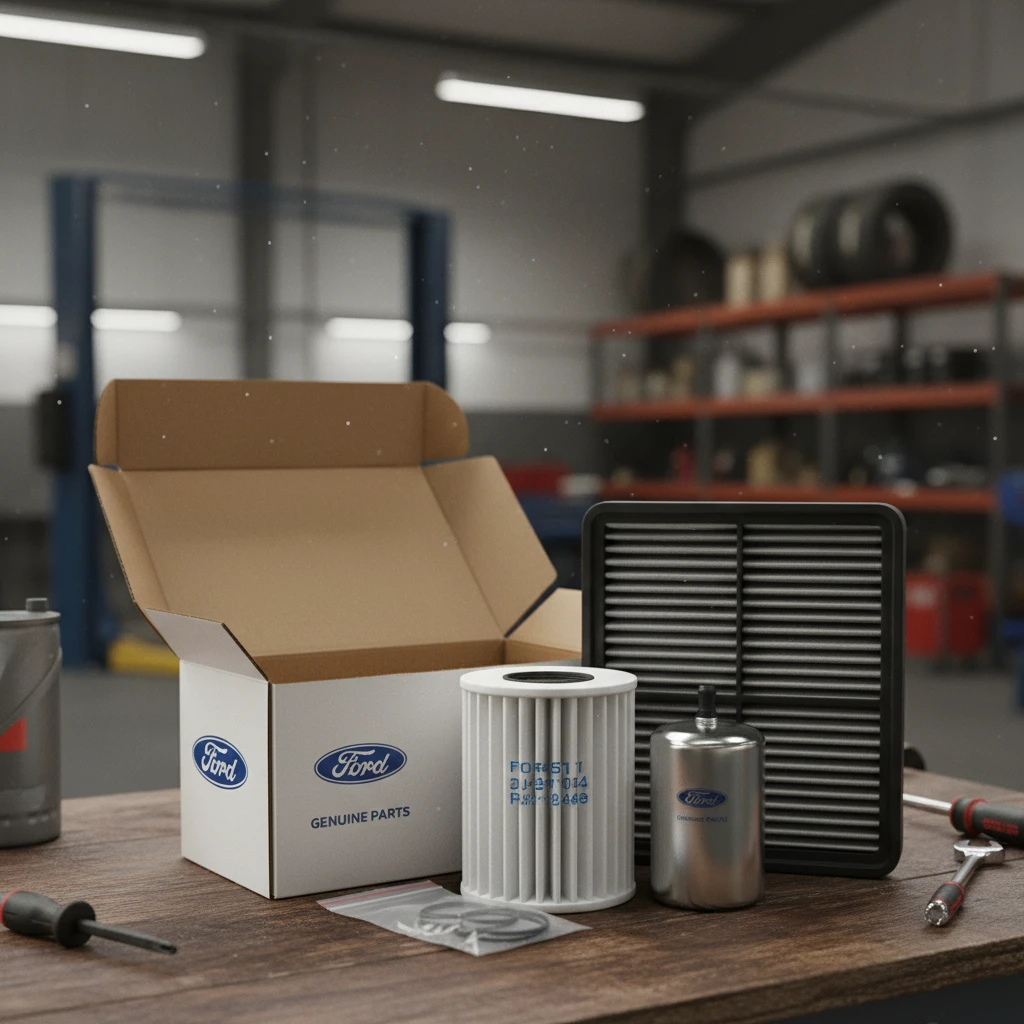
Pre-bundled service kits are curated packages that contain all the specific parts required for a scheduled service. Instead of cross-referencing part numbers for oil filters, air filters, fuel filters, and sump plugs separately, a kit provides a single SKU solution matched to your Vehicle Identification Number (VIN) or chassis code.
There are three primary advantages to this approach:
- Guaranteed Compatibility: Ford Ranger engines, particularly the 3.2L Duratorq and the 2.0L Bi-Turbo, have seen various revisions over the years. A pre-bundled kit eliminates the risk of buying the wrong filter thread size or O-ring diameter.
- Cost Efficiency: Suppliers often offer a bundled price that is lower than the sum of the individual parts. This contributes heavily to a favorable Ford Ranger service kit price comparison when stacked against buying single items.
- Completeness: It is easy to forget the small items, such as the copper crush washer for the sump plug. Kits ensure these critical consumables are included, preventing leaks and ensuring a professional-grade finish to your DIY service.
Mileage-Based Maintenance Requirements
Understanding when to service your vehicle is just as important as knowing how to service it. Ford Rangers generally follow a scheduled maintenance plan that dictates specific replacements at set mileage intervals. Ignoring these can lead to catastrophic failure, particularly in modern common-rail diesel engines.
Standard Interval (15,000 km or 12 Months)
For most PX2 and PX3 Rangers, the standard interval is every 15,000 km. At this stage, the primary focus is engine lubrication. The service kit for this interval typically includes:
- Genuine Oil Filter
- Sump Plug Washer
- Engine Oil (often sold separately from the hardware kit, but critical to spec correctly)
Major Interval (30,000 km to 60,000 km)
As mileage increases, the maintenance requirements expand. A Ford Ranger service kit price comparison for a major service will show a higher cost because the kit must include air intake and fuel system protection. The 30,000 km and 60,000 km services are critical for New Zealand conditions, where dust and moisture can compromise fuel and air quality.
Components added at these intervals often include:
- Fuel Filter: Absolutely vital for diesel Rangers. The high-pressure fuel pump and injectors are extremely sensitive to contaminants. Using a genuine Ford fuel filter ensures filtration down to the required micron level, separating water effectively.
- Air Filter: A clogged air filter reduces fuel economy and turbo efficiency.
- Cabin/Pollen Filter: Often overlooked, this ensures the air inside the cabin remains clean and free of allergens.
Ford Ranger Service Kit Price Comparison: Genuine vs. Aftermarket
When conducting a Ford Ranger service kit price comparison, it is tempting to look strictly at the bottom line. However, the market is flooded with “white box” aftermarket filters that claim to meet OEM specifications but often fall short. Below is a comparative analysis of what you can expect to pay in the NZ market and the value proposition of each.
The Dealership Service Cost
A standard dealership service for a Ford Ranger can range from $450 to $800 NZD, depending on whether it is a minor or major service. This price includes parts, fluids, and labor. The labor component usually accounts for 50-60% of this invoice.
DIY with Genuine Ford Parts
Purchasing a genuine Ford service kit (filters and washers) typically costs between $120 and $280 NZD, depending on the inclusion of fuel and air filters. Adding high-quality engine oil (approx. $100-$150 NZD) brings the total DIY cost to roughly $220 – $430 NZD. This represents a savings of roughly 40-50% compared to the dealer, while still using the exact same components.
DIY with Aftermarket Parts
Aftermarket kits can be found for as low as $80 to $150 NZD. While this looks like a win for the budget, the risk is significantly higher. Aftermarket oil filters may lack the correct bypass valve pressure settings, and cheap fuel filters may not strip water efficiently, leading to injector failure—a repair bill that can exceed $3,000 NZD.

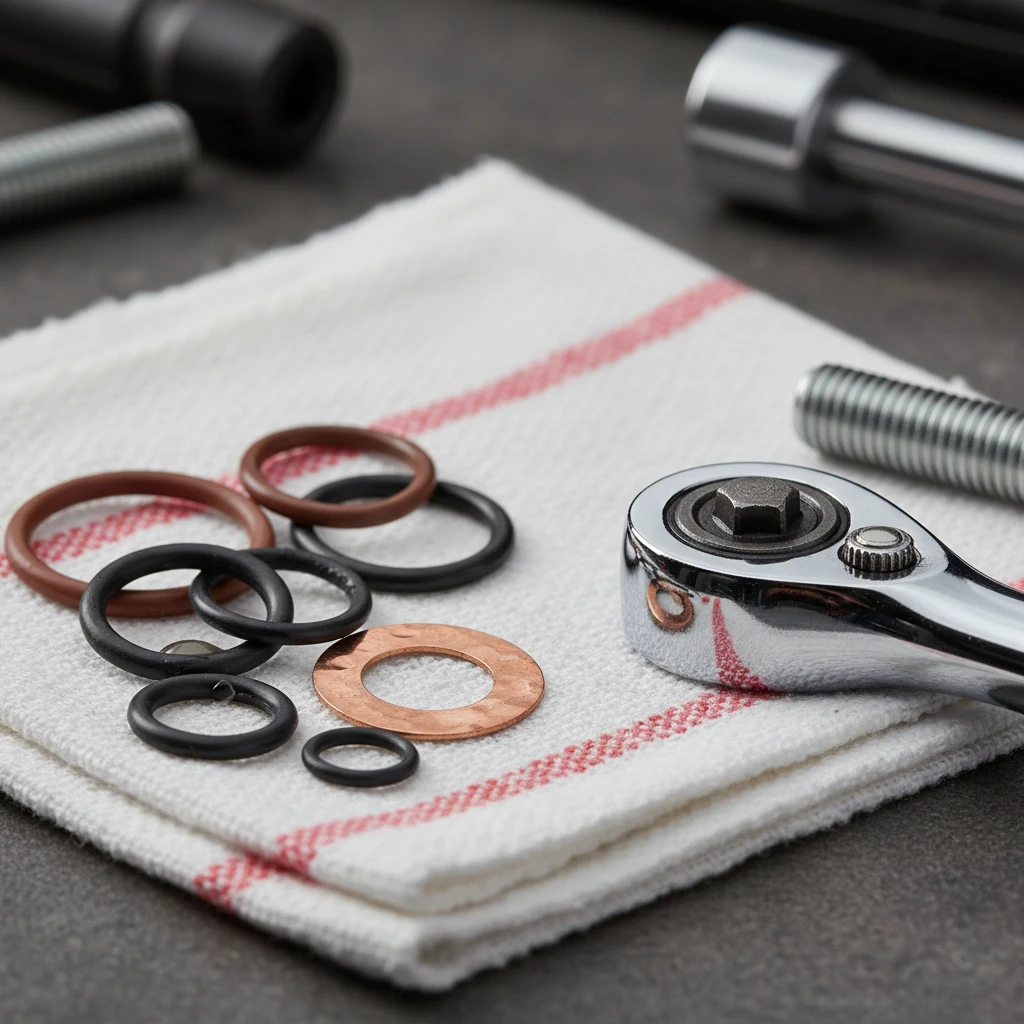
Included Components: Washers, O-rings, and Filters
A comprehensive service kit is defined by its attention to detail. When buying genuine, you aren’t just buying a filter; you are buying the assurance of a complete seal. Let’s break down the critical components included in these kits and why they matter.
The Sump Plug Washer
This is a single-use item. The washer acts as a gasket between the sump plug and the oil pan. When tightened, it crushes to form a seal. Re-using an old washer is the number one cause of oil drips on driveways after a DIY service. Genuine kits always include a new one.
The Oil Filter O-Ring
On modern cartridge-style oil filters (common on the 3.2L and 2.0L engines), the filter housing relies on a rubber O-ring to seal the cap. Over time, heat cycles cause this rubber to become brittle. A service kit provides a fresh O-ring, which must be lubricated with fresh oil before installation to prevent pinching.
The Water Separator O-Ring
For the fuel filter, the water separator bowl at the bottom must be transferred to the new filter. The O-ring sealing this connection is critical. An air leak here can cause the fuel system to lose prime, making the Ranger difficult or impossible to start.
The Real Cost Savings of DIY Servicing
Beyond the immediate Ford Ranger service kit price comparison, the long-term financial impact of DIY servicing is substantial. In New Zealand, mechanic labor rates fluctuate between $120 and $180+ GST per hour. A major service can easily consume 2 to 3 hours of billed labor.
By taking ownership of your maintenance, you are effectively paying yourself that labor rate. Furthermore, DIY servicing allows you to inspect other areas of the vehicle that a hurried mechanic might miss, such as brake pad wear, CV boot condition, or suspension play.
Investment in Tools
Critics of DIY servicing often cite the cost of tools. However, to service a Ford Ranger, the tool requirement is minimal:
- A reliable socket set (metric).
- An oil filter wrench or socket (specifically for the composite housing).
- A drain pan.
- A torque wrench (highly recommended for plastic filter housings).
The total investment for these tools is often recouped after the very first service. From the second service onwards, the savings are pure profit retained in your pocket.
Choosing the Right Kit for PX1, PX2, PX3, and Next-Gen
Not all Rangers are created equal. Selecting the correct kit is vital for a successful service. Here is a quick guide to the chassis codes and engine variations found in New Zealand.
PX1 (2011-2015)
The original T6 platform. Most commonly found with the 3.2L 5-cylinder engine. These models use a specific cylindrical air filter and a metal spin-on oil filter in some early variants, though most moved to cartridge style.
PX2 (2015-2018) & PX3 (2018-2022)
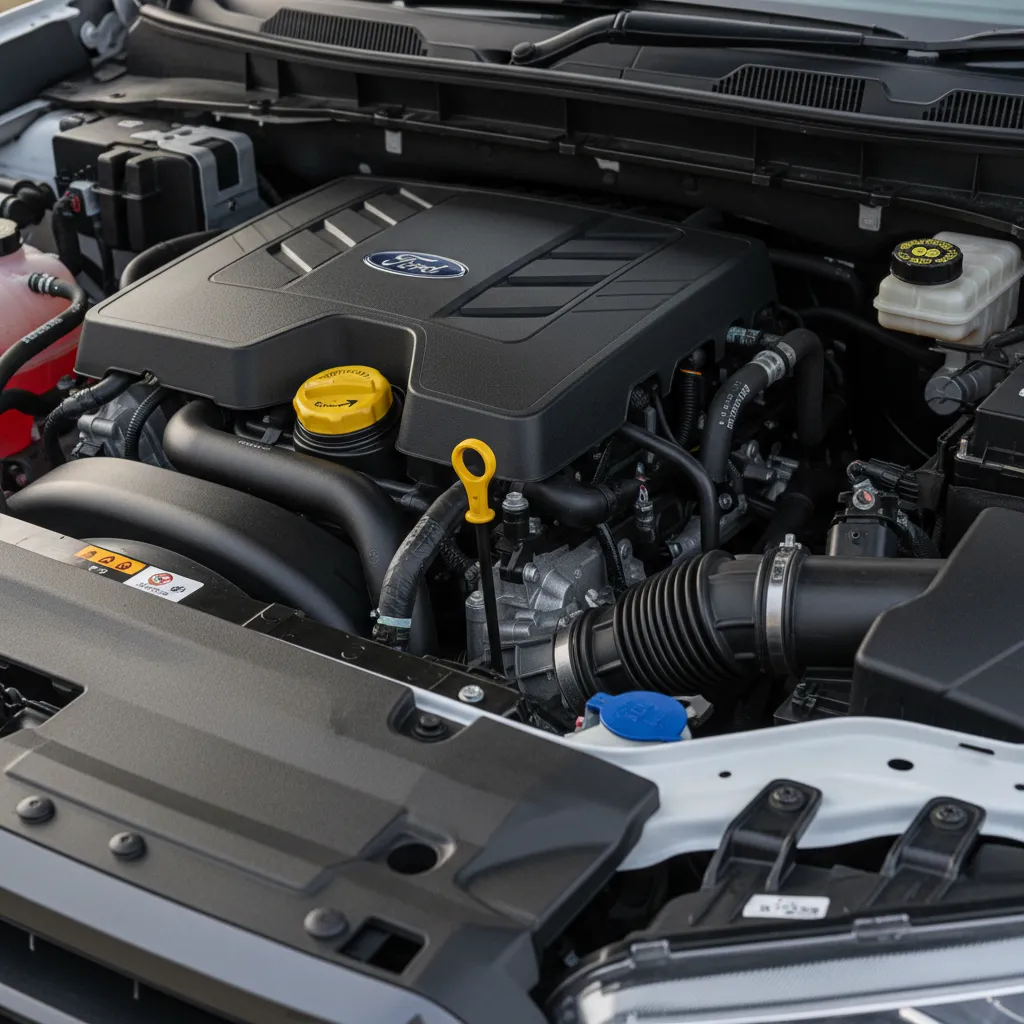
The PX2 introduced the facelift and tech upgrades. The 3.2L remained popular, but the PX3 saw the widespread introduction of the 2.0L Bi-Turbo engine. The 2.0L engine requires different oil filters and, crucially, a specific grade of 0W-30 oil. Using the wrong kit or oil on a Bi-Turbo can damage the wet belt system or turbos.
Next-Gen Ranger (2022+)
The latest platform features the 3.0L V6 diesel alongside the 2.0L Bi-Turbo. Service kits for the V6 are distinct and often carry a higher price point due to the larger oil capacity and specialized filters. Always verify your VIN with the parts supplier before purchasing for a Next-Gen model.
Frequently Asked Questions
Does DIY servicing void my Ford Ranger warranty?
In New Zealand, you are generally not required to service your vehicle at a dealership to maintain the manufacturer’s warranty, provided the service is done according to the manufacturer’s schedule and specifications, and genuine or equivalent quality parts (like OEM Ford parts) are used. Always keep receipts and a logbook of the work performed.
How often should I change the fuel filter on my Ranger?
While some schedules suggest longer intervals, most diesel specialists in NZ recommend changing the fuel filter every 30,000 km, or every second oil change. Given the quality of diesel can vary and the cost of injector failure is high, more frequent changes are cheap insurance.
What is the oil capacity of a Ford Ranger 3.2L?
The 3.2L 5-cylinder Duratorq engine typically holds roughly 9.8 liters of oil including the filter. You will usually need to purchase two 5-liter packs or a 10-liter drum of oil.
Can I use aftermarket filters on a 2.0L Bi-Turbo Ranger?
It is highly discouraged. The 2.0L Bi-Turbo is a high-performance, precision engine. Aftermarket oil filters may not have the correct flow rates or structural integrity to handle the pressures, potentially leading to oil starvation. Stick to Genuine Ford (Motorcraft) filters for this engine.
What tools do I need to change the oil filter on a Ranger?
For the cartridge-style filter housing found on most 3.2L and 2.0L models, you will need a 27mm (or sometimes 32mm depending on model year) socket and an extension bar. It is crucial not to overtighten the plastic housing cap upon reinstallation; a torque wrench set to 25Nm is recommended.
Are the washers included in the service kits really necessary?
Yes. The copper or aluminum crush washer on the sump plug deforms to create a seal. Once deformed, it cannot be reused reliably. Reusing it often leads to slow oil leaks that stain driveways and can lower engine oil levels over time.