

South Island Ford Parts Logistics
Ford parts delivery South Island services utilize a network of strategic distribution hubs, primarily centered in Christchurch, to ensure rapid deployment of genuine components to Nelson, Dunedin, and Invercargill. Specialized freight carriers handle heavy powertrain items like Ranger engines and transmissions, ensuring same-day or overnight dispatch for critical repair needs across the mainland.
For Ford Ranger owners, fleet managers, and automotive workshops located in New Zealand’s South Island, sourcing genuine parts is not just about availability—it is about logistics. The geographical separation from the primary North Island import centers, combined with the rugged terrain of the mainland, demands a robust supply chain strategy. Whether you are replacing a 3.2L Duratorq engine in a PX2 Ranger or sourcing a minor sensor for a Transit van, understanding the freight landscape is critical to minimizing downtime.
Overcoming Logistics Challenges in the South
The South Island presents a unique set of logistical hurdles that differ significantly from North Island distribution. The primary bottleneck is the Cook Strait. Most genuine Ford parts enter New Zealand via Auckland. To reach a workshop in Queenstown or a farm in Southland, that part must traverse the North Island, cross the strait via ferry, and then navigate the extensive South Island road network.
Effective Ford parts delivery South Island strategies mitigate these delays by utilizing air freight for urgent, smaller items and dedicated line-haul trucking for bulkier components. The weather also plays a significant role. During winter months, passes such as Lewis Pass or Arthur’s Pass can close due to snow, disrupting the flow of goods to the West Coast and Canterbury regions. Top-tier suppliers anticipate these disruptions by increasing stock levels in Christchurch hubs before the winter season hits.
The “Just-in-Time” Reality for Workshops
For commercial operators running fleets of Ford Rangers, downtime is expensive. A vehicle off the road means lost revenue. Therefore, the logistics model has shifted from a “ship on demand” approach to a “forward stocking” model. By analyzing data on high-failure items—such as EGR coolers, intercooler hoses, and specific suspension components for the Ranger PX series—logistics providers ensure these high-turnover SKUs are physically located on the South Island, ready for immediate dispatch.
Freight Options for Engines and Transmissions
Shipping a filter or a spark plug is simple; shipping a 200kg crate engine or a 10R80 transmission is a specialized operation. When dealing with heavy powertrain components, standard courier networks are often insufficient or prohibitively expensive. This is where specialized freight solutions become the backbone of the industry.
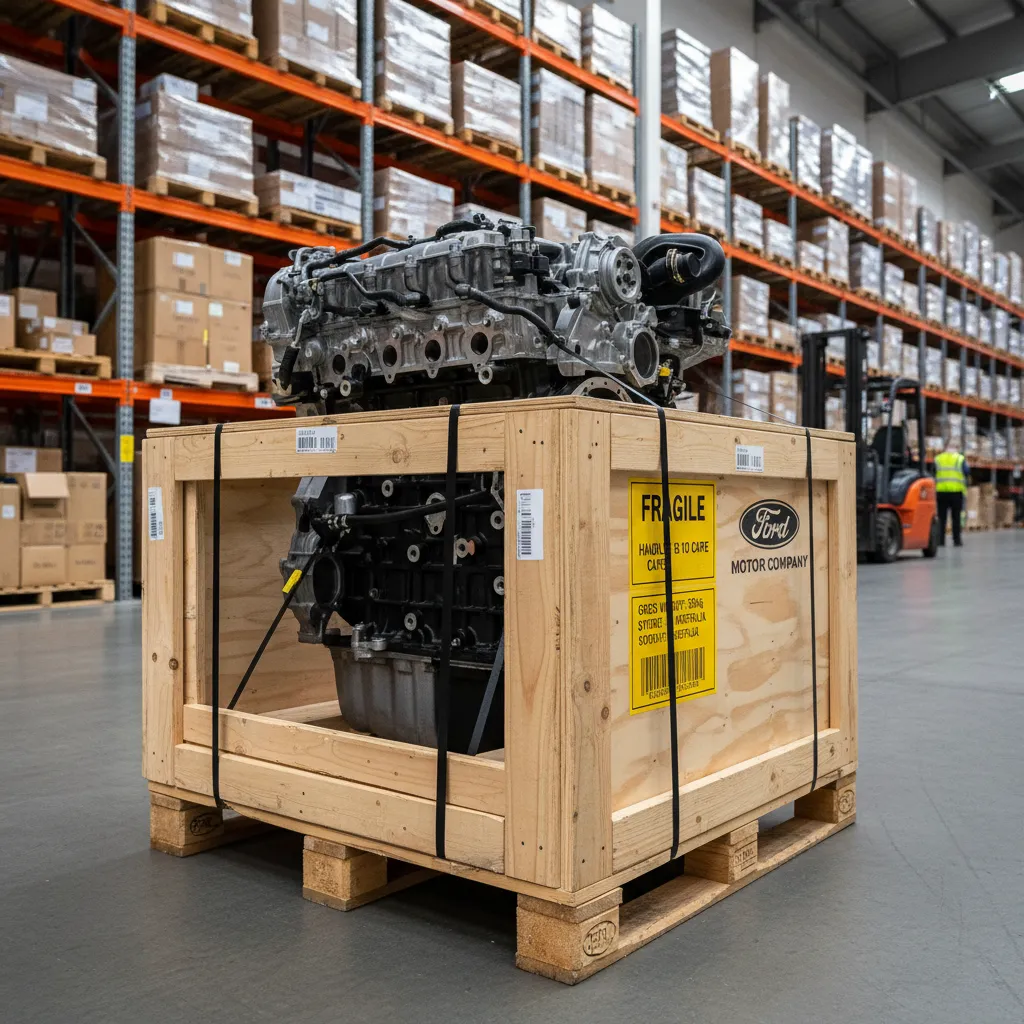
How are heavy Ford engines shipped to the South Island? Heavy components like long-block engines are secured on reinforced skids or enclosed in wooden crates, strapped with industrial banding, and transported via tail-lift trucks to ensure safe unloading at workshops without forklifts.
Transmission Logistics
Automatic transmissions, particularly the sophisticated 10-speed units found in the Bi-Turbo Rangers and Everests, require extreme care during transport. They must be kept level to prevent fluid migration into sensitive electronic areas, even if drained. Freight providers specializing in automotive parts use palletized systems with chocks to prevent shifting. Furthermore, the torque converter must be retained correctly to prevent damage to the pump drive.
Insurance and Liability
Given the high value of genuine Ford powertrain assemblies, standard carrier liability is often insufficient. Premium logistics services for the South Island include comprehensive transit insurance. This covers the component from the moment it leaves the distribution center until it is signed for at the destination. For a $10,000+ engine assembly, this peace of mind is non-negotiable.
Strategic Regional Hub Locations
To service the vast distances of the mainland, a centralized approach in Auckland is no longer viable for South Island customers. The decentralization of inventory into regional hubs is the key to achieving overnight delivery targets.
Christchurch: The Central Gateway
Christchurch serves as the primary distribution node for the entire island. Goods arriving from the North Island or directly via air freight are sorted here. A robust inventory of collision parts (bumpers, panels, headlights) and mechanical parts is maintained in Christchurch warehouses to serve the Canterbury plains and the greater metro area.
Dunedin and Invercargill: The Deep South
For the Otago and Southland regions, secondary hubs in Dunedin and Invercargill are vital. These hubs stock critical service items and “breakdown” parts. This ensures that a farmer in Gore or a mechanic in Balclutha doesn’t have to wait 3 days for a water pump. The logistics network connects Christchurch to these southern cities with overnight line-haul trucks.
Nelson and Blenheim: Top of the South
The Tasman region often receives freight directly from Wellington via the ferry, bypassing the Christchurch loop for faster service. This direct line is crucial for keeping the viticulture and horticulture fleets in Marlborough and Nelson operational.
Packaging Standards for Genuine Parts
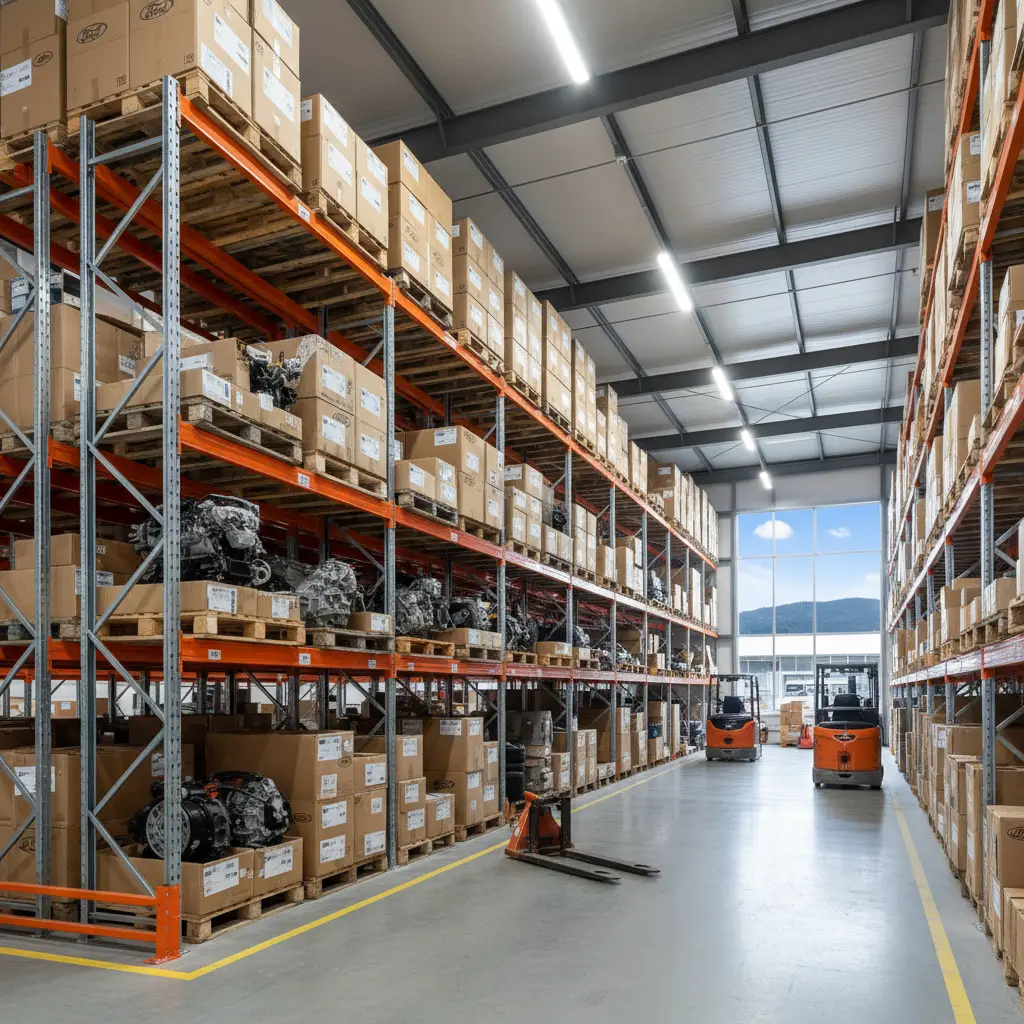
The journey across the Cook Strait and over New Zealand roads can be rough. Genuine Ford Parts are packaged to withstand this specific transit environment. Unlike aftermarket alternatives which may come in thin cardboard, genuine parts often feature:
- Reinforced Corrugation: heavy-duty boxes that resist crushing when stacked in a freight truck.
- VCI (Volatile Corrosion Inhibitor) Bags: Metal components like brake rotors and engine blocks are wrapped in VCI plastic to prevent rust caused by the salt air during the ferry crossing.
- Custom Foam Inserts: Delicate electronics and headlamps are suspended in custom-molded foam to absorb vibration from corrugated roads.
Proper packaging is the first line of defense against transit damage. When ordering Ford parts delivery South Island wide, ensuring the supplier adheres to these packaging standards is essential to receiving a part that is ready to fit.
The Importance of VIN Verification
Logistics isn’t just about moving boxes; it’s about moving the right boxes. The cost of reverse logistics (returning a wrong part from the South Island back to the North Island) is astronomical and eats into profit margins and repair timelines.
Why is VIN matching critical for South Island orders?
The Ford Ranger platform has undergone numerous updates (PX1, PX2, PX3, and Next-Gen). Parts often look identical but have different mounting points or connector pinouts. By enforcing a strict VIN verification process before the part leaves the warehouse, suppliers eliminate the error rate. This technical authority ensures that the logistics chain is efficient and that the mechanic in Wanaka receives the exact alternator required for the specific build date of the vehicle on the hoist.

Navigating Rural Delivery (RD) Networks
A significant portion of Ford Ranger owners in the South Island are located in rural zones. The “RD” (Rural Delivery) network operates differently from urban couriers. It often involves a hand-off to a local rural contractor who completes the final mile.
When arranging delivery to an RD address, allow for an extra 24-48 hours. Tracking updates may stall once the item is handed over to the rural driver. For urgent heavy freight to rural locations, it is often more efficient to have the item shipped to the nearest town’s depot or a local workshop, where the customer can collect it. This avoids the delays and surcharges associated with rural drop-offs for heavy pallets.
People Also Ask
How long does Ford parts delivery take to the South Island?
Delivery typically takes 1-2 business days for urban centers like Christchurch and Dunedin if the part is in stock in NZ. Rural addresses may take an additional 1-2 days. Heavy freight usually takes 2-3 days from the North Island.
Can I track my Ford parts shipment to the South Island?
Yes, all reputable genuine parts suppliers provide tracking numbers. Major carriers like CourierPost, NZ Couriers, and Mainfreight offer real-time tracking until the item reaches the local depot or delivery address.
Is it expensive to ship a Ford Ranger engine to the South Island?
Shipping a complete engine is a freight cost, typically ranging from $150 to $400 NZD depending on the exact destination and carrier. However, this cost is often subsidized by major suppliers or included in trade pricing agreements.
Do you deliver to rural South Island addresses?
Yes, delivery extends to rural (RD) addresses. Note that rural delivery incurs a surcharge and requires extra transit time. For heavy pallets, depot collection in the nearest town is often recommended.
What happens if my part arrives damaged?
If a part arrives damaged, it must be noted on the consignment note immediately upon receipt. Contact the supplier instantly. Genuine parts shipped via authorized channels are insured, and a replacement will be dispatched while the claim is processed.
Are parts available for older Ford models in the South Island?
Stock for older models is generally held in the main national distribution centers. While commonly available, these may require transfer from Auckland to Christchurch, adding a day to the delivery timeframe compared to current Ranger parts.