
Transmission Service Kits (Pan & Fluid)
A Ford Ranger automatic transmission service involves draining old fluid, replacing the internal filter, and refilling with genuine Mercon specification fluid. For 10R80 models, this necessitates replacing the single-use plastic sump with a steel pan upgrade to facilitate future draining and ensure a durable, leak-free seal under load.
The Importance of Transmission Maintenance in NZ
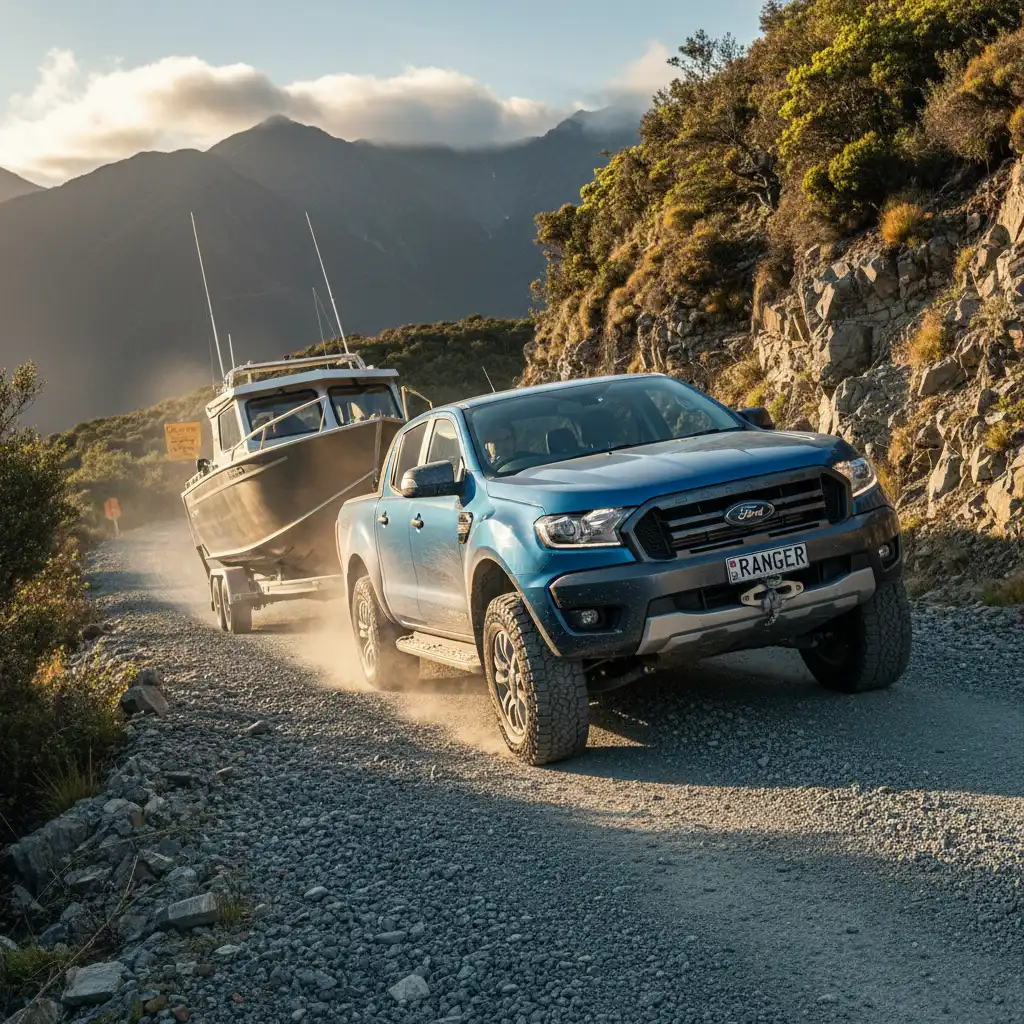
For New Zealand Ford Ranger owners, the automatic transmission is the heart of the vehicle’s driveline, particularly given how these utes are utilized. Unlike passenger cars driven on flat highways, NZ Rangers are frequently subjected to heavy towing, boat launching, and navigating steep alpine passes. These activities generate immense thermal load within the transmission housing.
While Ford marketing materials may occasionally reference “filled for life” fluids, any technical authority in the automotive sector will dispute this claim, especially for vehicles out of warranty or those under load. Transmission fluid (ATF) contains detergents, friction modifiers, and anti-wear additives that shear and degrade over time. Once these additives break down, the transmission is susceptible to overheating, shuddering, and catastrophic clutch pack failure. A proper Ford Ranger automatic transmission service is not just maintenance; it is an insurance policy for your powertrain.
Identifying Your Transmission: 6R80 vs 10R80
Before purchasing a service kit, it is critical to identify which transmission your Ranger is equipped with, as the parts and fluids are not interchangeable.
The 6R80 (6-Speed Automatic)
Found primarily in the PX1 and PX2 Ranger models (roughly 2011 to mid-2018), the 6R80 is a robust transmission based on a ZF design. It is characterized by a steel transmission pan from the factory. Servicing the 6R80 is relatively straightforward as the crossmember usually does not interfere significantly with the pan removal, and the fluid requirements are well-established.
The 10R80 (10-Speed Automatic)
Introduced with the PX3 (2.0L Bi-Turbo and some 3.2L updates) and carried over into the Next-Gen Ranger, the 10R80 is a highly complex 10-speed unit. It offers superior fuel economy and towing capability but introduces a significant serviceability hurdle: a plastic transmission pan. Identifying this transmission is easy—if you look under the vehicle and see a composite plastic sump with a waffle-pattern structure, you have the 10R80.
The 10R80 Solution: Steel Pan vs. Plastic Sump
One of the most contentious aspects of the modern Ford Ranger automatic transmission service is the 10R80’s factory plastic pan. For the professional mechanic and the DIY enthusiast, this component presents two major problems.
The Problem with the Factory Plastic Pan
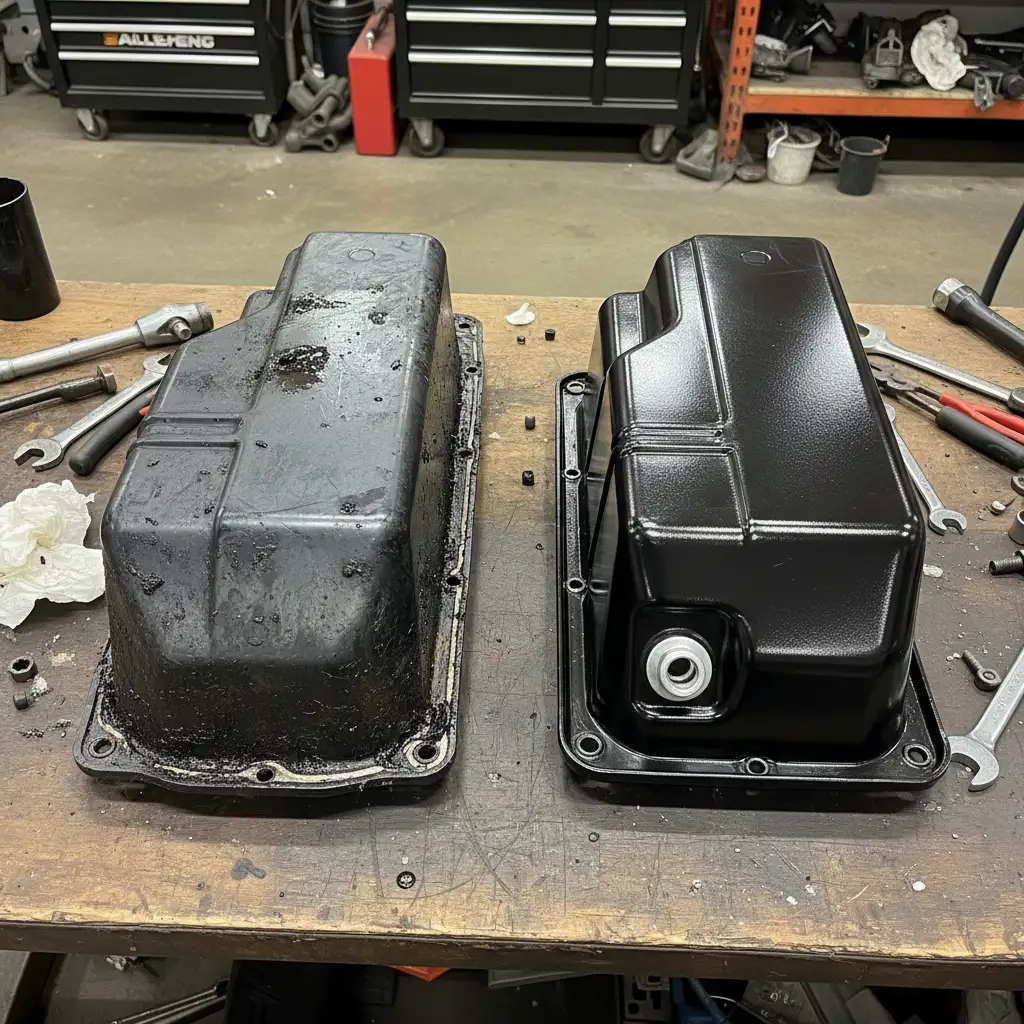
First, the plastic pan does not have a drain plug. To service the fluid, you must loosen the entire pan and let the fluid cascade over the sides, which is messy and imprecise. Second, and more critically, the exhaust cross-over pipe and structural crossmembers on the Ranger make removing this plastic pan nearly impossible without lifting the transmission or dropping the exhaust system. Because the plastic pan has a deep sump and a long pickup tube, it cannot slide out easily.
The Steel Pan Upgrade (Service Kit Essential)
The industry-standard solution for the New Zealand market is the replacement Steel Pan Kit. These aftermarket pans are designed to mimic the fluid volume of the original but feature a slightly different profile that allows them to be installed without removing the exhaust or lifting the engine. Crucially, they include a drain plug.
When you buy a 10R80 service kit, ensure it includes:
- Steel Sump Pan: Durable and reusable.
- Drain Plug: Makes future drain-and-fill services a 15-minute job rather than a 3-hour ordeal.
- Gasket: While the factory gasket is reusable, a high-quality kit should provide a new one or explicit instructions on RTV sealant usage if applicable (though a bonded gasket is preferred).
- New Filter: The filter on the 10R80 must be changed, not just cleaned.
Fluid Chemistry: Mercon LV vs. Mercon ULV
Using the wrong fluid is the fastest way to destroy your Ranger’s transmission. Ford has very specific friction requirements for their clutch packs.
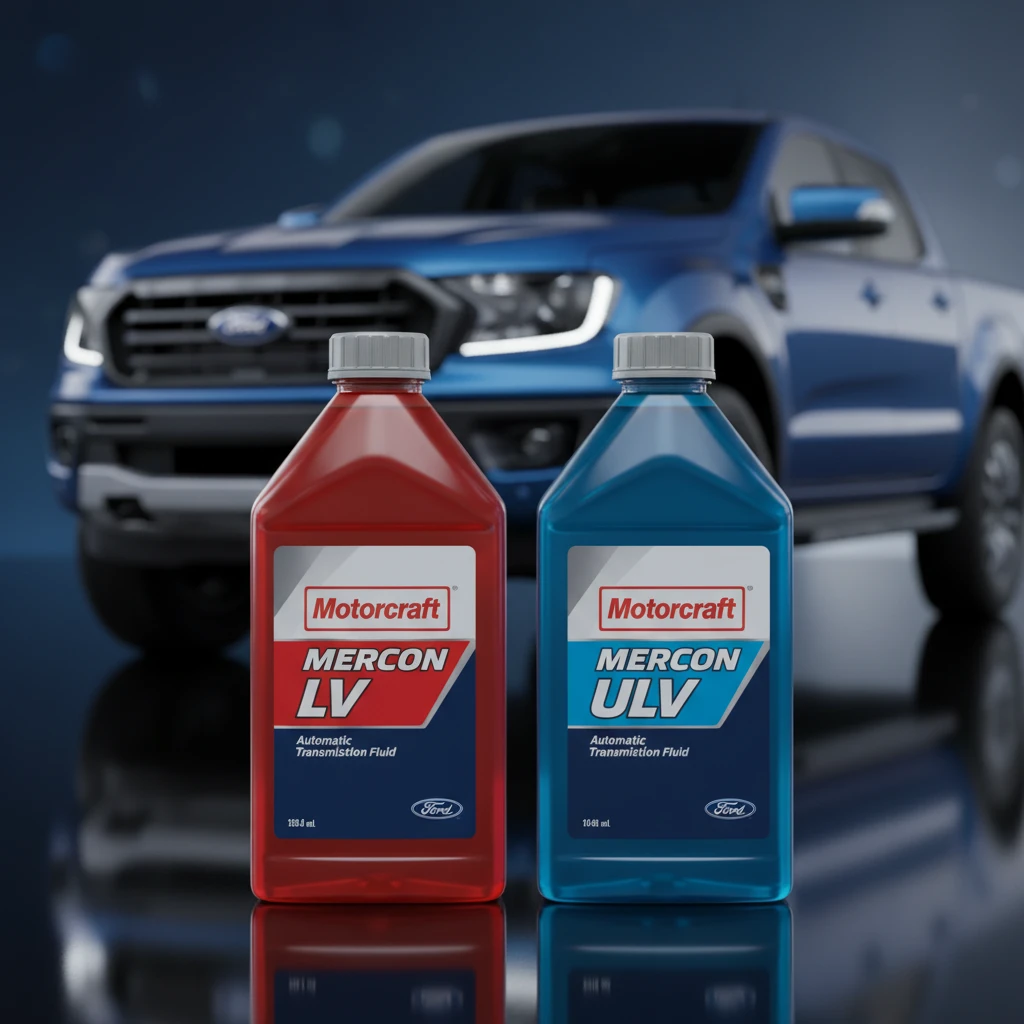
Mercon LV (Low Viscosity)
Application: 6R80 Transmissions (PX1, PX2).
Mercon LV is a premium synthetic ATF designed for the 6-speed era. It provides excellent thermal stability and consistent shift feel. It is generally red in color. Do not use generic “Multi-Vehicle” ATF unless it explicitly lists Ford Mercon LV approval. In the NZ market, sticking to Genuine Ford Motorcraft or high-end equivalents like Penrite or Castrol that carry the specific approval is vital.
Mercon ULV (Ultra Low Viscosity)
Application: 10R80 Transmissions (PX3, Next-Gen).
This is where many errors occur. The 10R80 requires Mercon ULV. As the name suggests, this fluid is extremely thin to reduce parasitic drag and improve fuel efficiency in the tight tolerances of the 10-speed unit. Mercon ULV is distinct because it often turns dark red or even brownish very quickly during normal operation—this is normal and not necessarily a sign of burning. However, putting LV fluid into a ULV transmission will cause sluggish shifting and potential overheating due to incorrect flow rates through the valve body.
Comprehensive Service Procedure Overview
Performing a Ford Ranger automatic transmission service requires patience and strict adherence to cleanliness. Dirt ingress can ruin the solenoids inside the valve body.
Step 1: Draining and Removal
For the 6R80, remove the drain plug (if equipped) or drop the pan. For the 10R80 with the factory plastic pan, you may need to loosen the bolts and carefully pry one corner to drain the fluid. If you are installing the steel replacement pan, many mechanics will cut the old plastic pickup tube (if discarding the pan) or manipulate the transmission mount to remove the old pan.
Step 2: Filter Replacement
Once the pan is off, pull the filter straight down. Ensure the old O-ring seal comes out with it. If the seal remains in the valve body bore, carefully remove it with a pick. Install the new filter, ensuring it is seated firmly. A loose filter will cause the pump to suck air, leading to transmission cavitation and loss of drive.
Step 3: Pan Installation
Clean the mating surface on the transmission case meticulously. If installing the 10R80 steel pan, align the gasket and bolt it up. Torque the pan bolts to the manufacturer’s specification (usually around 10-12 Nm, but check your specific kit instructions) in a crisscross pattern to ensure an even seal.
Step 4: Refilling and Level Check
This is the most technical part of the Ford Ranger automatic transmission service. These transmissions do not have a traditional dipstick in the engine bay.
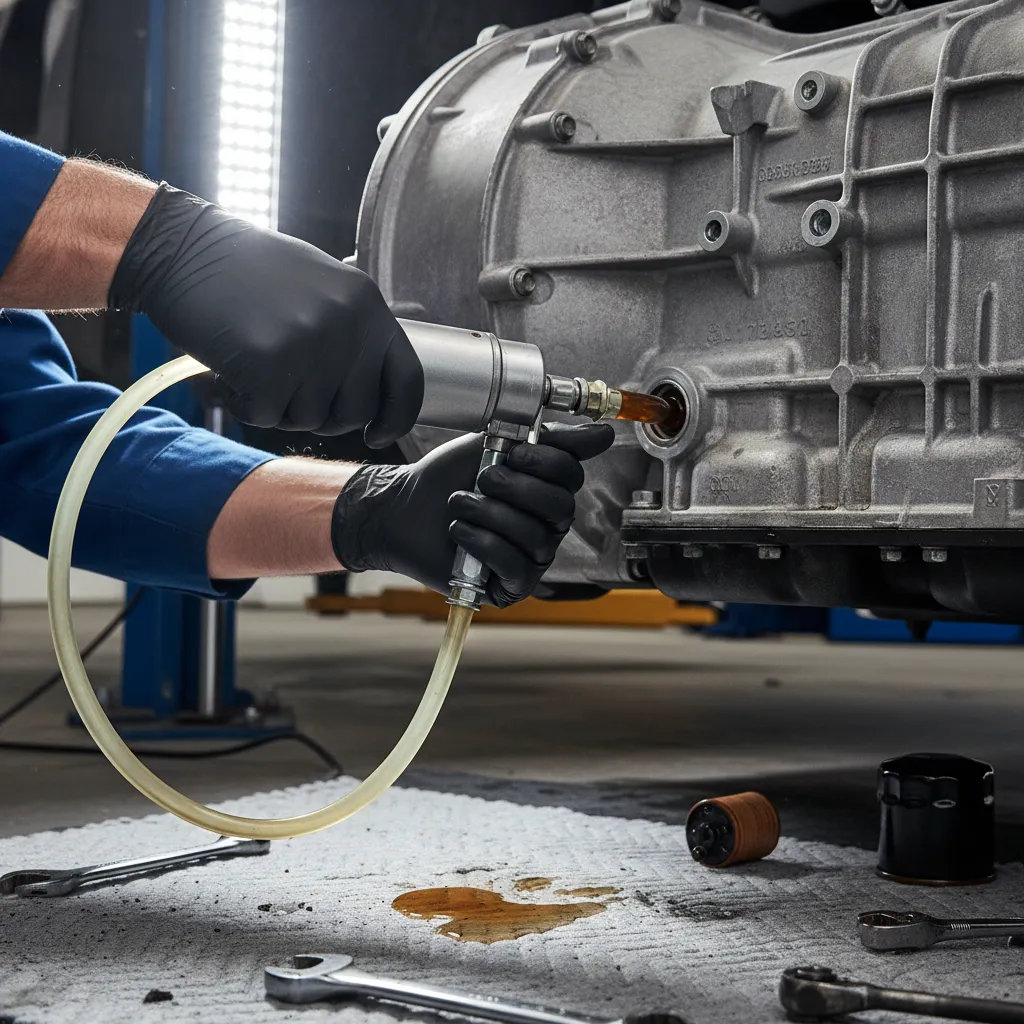
- Initial Fill: Pump roughly 4-5 liters of the correct Mercon fluid into the fill port (located on the side of the transmission case, often near the exhaust catalytic converter—use heat protection).
- Thermal Bypass: The transmission has a thermal bypass valve. You must run the engine and cycle through the gears to get the fluid circulating.
- Temperature Check: The fluid level must be checked when the transmission fluid temperature is between 85°C and 93°C (check specific manual for your model, as ULV temps can vary). You will likely need a scan tool to read the internal temperature sensor.
- Level Verification: With the engine running and the transmission at temperature, remove the level check plug (usually on the dipstick stub near the case). Fluid should trickle out. If nothing comes out, add more. If it gushes, let it drain until it trickles.
Recommended Service Intervals for Kiwi Drivers
New Zealand driving conditions are classified as “Severe Service” by most automotive engineering standards due to our topography and humidity.
Factory vs. Real World
While the manual might suggest intervals exceeding 150,000km or “sealed for life,” transmission specialists in NZ strongly advise against waiting this long.
The 60,000km – 80,000km Rule
For Rangers that tow boats, caravans, or carry heavy trade loads, a transmission service every 60,000km is recommended. For highway queens that rarely tow, you might stretch this to 80,000km or 100,000km. However, fresh fluid is the cheapest way to avoid a $8,000 transmission rebuild. If you have just purchased a used Ranger and have no record of the fluid being changed, book a Ford Ranger automatic transmission service immediately.
People Also Ask
How much does a Ford Ranger transmission service cost?
In New Zealand, a standard transmission service ranges from $400 to $700 depending on the fluid used and labor rates. However, for a 10R80 first-time service requiring a steel pan conversion kit, expect to pay between $800 and $1,200, though subsequent services will be cheaper thanks to the new drain plug.
Can I reuse the plastic transmission pan on my Ranger?
Technically yes, but it is highly discouraged. Reinstalling the plastic pan usually requires lifting the transmission or exhaust again for the next service. Furthermore, plastic pans can warp over time, leading to leaks. Upgrading to a steel pan is the industry standard best practice.
How do I check the transmission fluid level on a Ford Ranger?
There is no dipstick in the engine bay. You must raise the vehicle, run the engine until the transmission fluid reaches operating temperature (approx 90°C), and remove the small check plug located on the transmission case body. This usually requires a hoist and a scan tool to verify temperature.
What happens if I use the wrong transmission fluid?
Using Mercon LV in a 10-speed (which requires ULV) or generic ATF can cause shuddering, slipping clutches, and permanent damage to the valve body solenoids. The viscosity differences affect how the hydraulic pressure is applied to the clutch packs.
Does the Ford Ranger have a transmission filter?
Yes, both the 6R80 and 10R80 transmissions have an internal filter located inside the sump pan. This filter is not a mesh screen that can be cleaned; it is a fibrous media filter that must be replaced during every service to ensure proper flow.
What are the signs of low transmission fluid in a Ranger?
Symptoms include delayed engagement when shifting into Drive or Reverse, flaring (RPMs rising without acceleration) during gear changes, a burning smell, or the transmission going into “limp mode” (locking into a single gear like 3rd or 4th).