
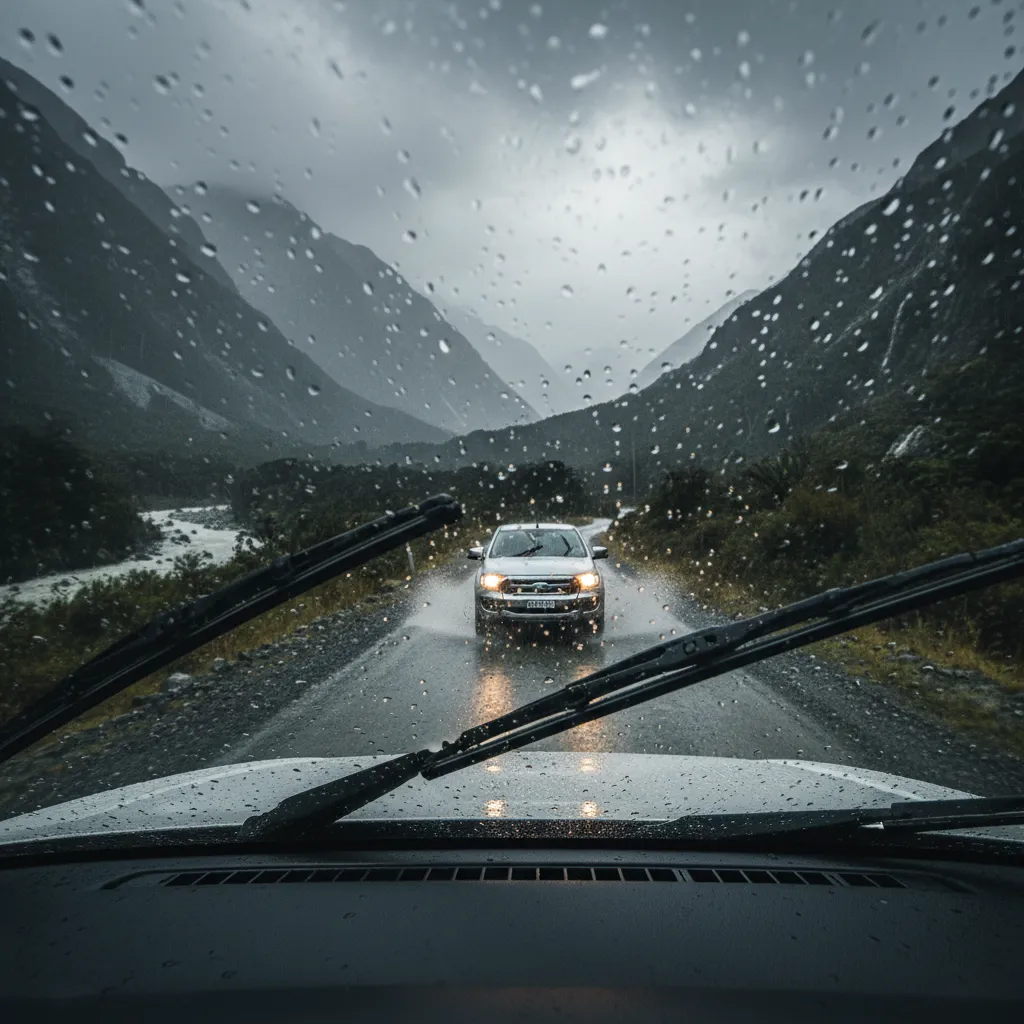
Wiper Blades & Visibility Kits
The best Ford Ranger wiper blades in NZ combine durability with aerodynamic design to handle heavy rainfall and high-speed winds. For optimal performance, we recommend upgrading from traditional metal frames to premium silicone or flat beam blades. These ensure streak-free visibility across the T6, PX, and Next-Gen platforms, specifically sized 24-inch (driver) and 16-inch (passenger) for most models.
Driving a Ford Ranger in New Zealand demands uncompromising visibility. Whether you are navigating the wet alpine passes of the South Island or dealing with coastal salt spray in the North, your wiper blades are a critical safety component. As the technical authority on Ford Ranger genuine parts and upgrades in NZ, we provide the definitive guide to maintaining clear vision.
What are the best Ford Ranger wiper blades available in NZ?
Selecting the correct Ford Ranger wiper blades NZ drivers rely on involves more than just picking the right length. It requires an understanding of the Ranger’s windshield curvature and the specific environmental challenges found in New Zealand. The Ford Ranger, particularly the T6 platform (PX series) and the Next-Gen models, features a large, raked windscreen that requires consistent downward pressure from the wiper arm to clear water effectively.
When shopping for replacements, you will generally encounter three categories:
- Genuine Ford Parts: These are OEM (Original Equipment Manufacturer) replacements. They guarantee a perfect fit but often utilize older “hybrid” or traditional frame designs depending on the model year.
- Aftermarket Beam Blades: These are the modern standard for performance. They lack external metal frames, preventing ice buildup and reducing wind lift at highway speeds.
- Silicone Blades: A premium option that applies a hydrophobic coating to the glass with every wipe, beading water off effectively.
Beam Blade vs. Traditional Wipers: Which is better for a Ranger?
The debate between beam blades and traditional wipers is settled by physics. For a vehicle as capable as the Ford Ranger, beam blades are the superior choice.
Traditional Frame Wipers
Traditional wipers use a metal framework with several pivot points (claws) to push the rubber strip against the glass. While cost-effective, they have significant downsides for NZ drivers:
- Wind Lift: The open framework catches the wind. On open roads like State Highway 1, this can cause the blade to lift off the glass, leaving un-wiped patches.
- Clogging: In rural areas, mud, snow, and ice can get stuck in the metal claws, preventing the blade from flexing properly.
- Uneven Pressure: Over time, the pivot points wear out, leading to streaking.
Beam Blades (Flat Blades)
Beam blades have no external frame. Instead, they use a tensioned steel spring enclosed inside the rubber or silicone element. This design offers distinct advantages:
- Infinite Pressure Points: The internal spring applies uniform pressure along the entire length of the blade, conforming perfectly to the Ranger’s windshield curvature.
- Aerodynamics: The integrated spoiler pushes the blade down harder as you drive faster, ensuring clear vision at 100km/h.
- Durability: With fewer moving parts, they are less likely to break under the stress of heavy debris or UV exposure.
What size wiper blades does a Ford Ranger need?
Fitting the incorrect size can result in blades hitting each other, damaging the wiper motor, or leaving uncleared blind spots. Below is the technical sizing chart for Ford Ranger models in New Zealand.
Ford Ranger PX1, PX2, PX3 (2011–2022)
The T6 platform Rangers (including the Wildtrak, XLT, and Raptor variants) utilize a standard J-Hook attachment, making them compatible with a wide range of aftermarket options.
- Driver Side: 24 inches (600mm)
- Passenger Side: 16 inches (400mm)
- Connector Type: Standard J-Hook (9x3mm) or Hook Arm.
Next-Gen Ford Ranger (2022–Present)
The Next-Gen Ranger has updated aerodynamics and may use different connector types depending on the trim level, though sizes often remain similar. Always verify the connector mechanism before purchasing, as some newer models utilize a “Push Button” or “Top Lock” system rather than the traditional hook.
- Driver Side: 24 inches (600mm)
- Passenger Side: 16 inches (400mm) – Note: Some owners opt for 17″ or 18″ on the passenger side for wider coverage, but 16″ is factory spec.

How do you fix a Ford Ranger washer pump?
Even the best wiper blades are useless if you cannot clear mud or road film from the glass. If your wipers are moving but no fluid is spraying, and you have topped up the reservoir, you likely have a failed washer pump or a blockage.
Symptoms of a Failing Washer Pump
- Silence: You do not hear the electric whirring sound when activating the washer switch.
- Weak Pressure: Fluid barely reaches the bottom of the windscreen.
- Leaking: A puddle of blue fluid appears under the front right wheel arch (where the reservoir is located).
Step-by-Step Washer Pump Replacement
Replacing the pump on a Ford Ranger is a moderate DIY task usually requiring the removal of the inner wheel arch liner.
- Access: Jack up the front right side of the vehicle and remove the wheel for easier access. Remove the plastic clips holding the inner wheel arch liner.
- Locate: The washer bottle is tucked inside the fender. The pump is mounted at the bottom of this bottle.
- Disconnect: Unplug the electrical connector and the fluid hoses. Be prepared for remaining fluid to drain out.
- Replace: Pull the old pump out (it is held in by a rubber grommet). Insert the new grommet and push the new pump firmly into place.
- Test: Reconnect hoses and power. Fill with water and test before reassembling the wheel arch.
How to use Headlight Restoration Kits on a Ford Ranger?
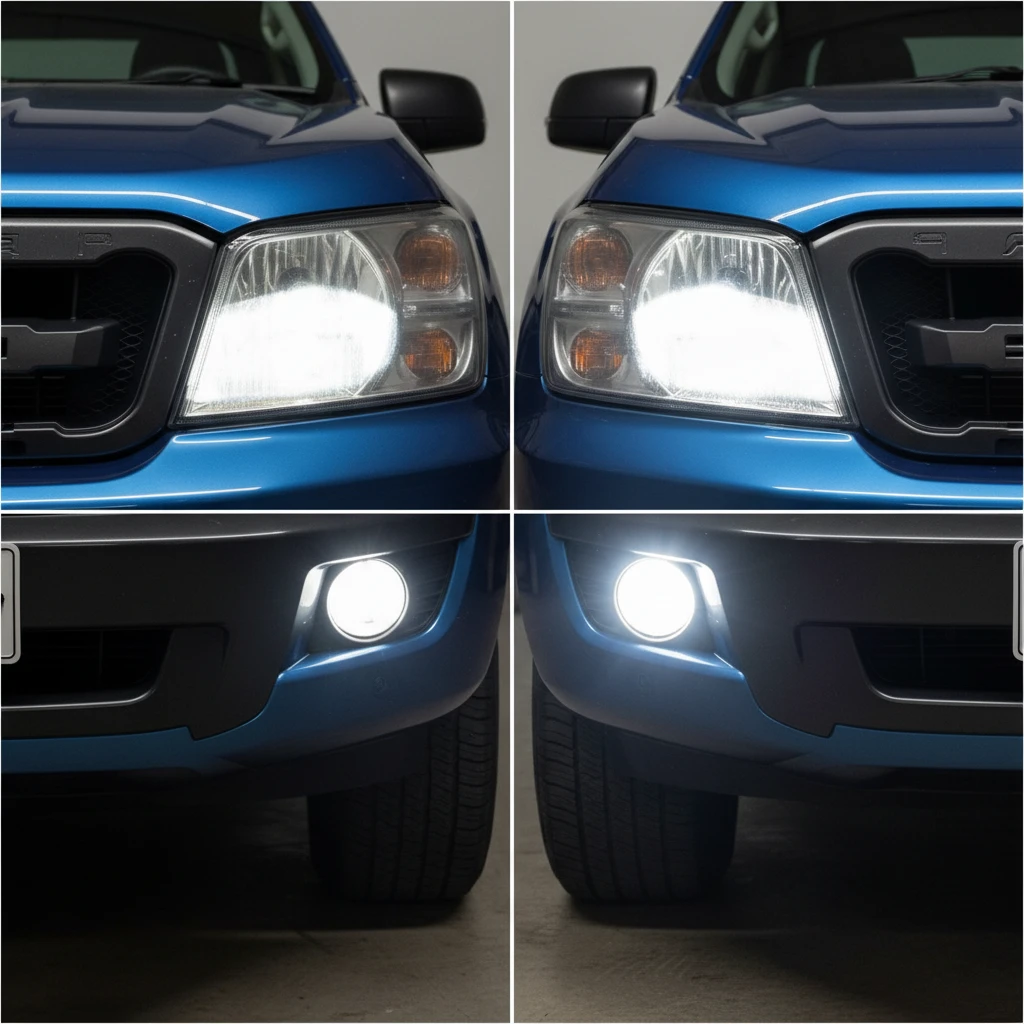
Visibility isn’t just about what you see through the glass; it is also about how well you light up the road. Older PX1 and PX2 Rangers often suffer from oxidized, yellowed polycarbonate headlight lenses. This reduces light output significantly, failing WOF checks and making night driving dangerous.
Headlight restoration kits are a cost-effective alternative to replacing the entire headlight assembly. These kits generally work through a process of abrasion and sealing.
The Restoration Process
- Masking: Use automotive tape to protect the paintwork around the headlights.
- Sanding: Wet sand the lens with progressively finer grit sandpaper (usually starting at 800 grit and moving to 3000 grit). This removes the yellowed UV coating.
- Polishing: Use a rubbing compound and a buffing pad (often drill-mounted) to polish the plastic back to crystal clarity.
- Sealing: Crucial Step. Apply a UV-resistant clear coat or ceramic sealant. Without this, the lights will yellow again within months.
How to install wiper blades on a Ford Ranger?
Installing new Ford Ranger wiper blades NZ drivers have purchased is a straightforward process, but care must be taken to avoid damaging the windscreen.
WARNING: The wiper arm is spring-loaded metal. If it snaps back against the glass without a blade attached, it will crack your windshield. Always place a thick towel or folded cardboard on the glass under the arm while changing blades.
Installation Steps (J-Hook Type)
- Lift the wiper arm away from the windshield until it locks in the upright position.
- Rotate the old blade perpendicular to the arm to expose the locking tab.
- Press the release tab and slide the blade down towards the base of the arm to disengage the hook.
- Slide the new blade into the hook until you hear a firm “click”.
- Gently lower the arm back onto the glass.
How to maintain visibility in NZ conditions?
New Zealand’s unique environment—high UV radiation and frequent rain—accelerates rubber degradation. To extend the life of your visibility kit:
- Clean the Blades: Every time you wash your Ranger, wipe the rubber edge of the wiper blades with a damp cloth or an alcohol wipe. This removes road tar and oxidation that causes streaking.
- Use Quality Washer Fluid: Avoid using plain water, which can freeze in the South Island or cause bacterial growth in the reservoir. Use a dedicated windscreen washer fluid that dissolves bugs and road grime.
- Decontaminate the Glass: If new wipers still chatter or streak, your glass might be the issue. Use a clay bar or glass polish to remove embedded contaminants that normal washing misses.

People Also Ask
How often should I change my Ford Ranger wiper blades?
In New Zealand conditions, it is recommended to replace your wiper blades every 6 to 12 months. Signs that replacement is needed include streaking, chattering noises, or visible cracks in the rubber edge. UV exposure in NZ can degrade rubber faster than in other climates.
Can I put bigger wiper blades on my Ford Ranger?
While you can sometimes increase the size by 1 inch (e.g., moving from 16″ to 17″ on the passenger side), it is generally safer to stick to factory specifications. Oversized blades may overlap in the center, hit the windshield trim, or put excessive strain on the wiper motor.
Why are my new wipers streaking immediately?
If new wipers streak, the issue is usually contamination on the windshield glass (wax, tree sap, or road tar) rather than the blades themselves. Clean the glass thoroughly with a clay bar or glass polish. Alternatively, ensure the protective plastic cover was removed from the rubber blade before use.
Are silicone wiper blades worth the extra cost?
Yes, for many NZ drivers, silicone blades are worth the investment. They last up to two times longer than standard rubber blades and leave a hydrophobic coating on the glass that helps water bead off, improving visibility during heavy downpours without using the wipers as frequently.
How do I adjust the washer jets on a Ford Ranger?
On most Ranger models, the washer jets are located on the cowl panel or under the bonnet lip. You can adjust the spray angle by inserting a fine needle into the nozzle hole and gently pivoting it to the desired position. Aim for the center of the windshield to account for wind deflection while driving.
What is the best windscreen washer fluid for NZ winter?
For NZ winters, especially in the South Island, use a washer fluid with antifreeze properties (often labeled as “All Season” or “Winter Formula”). This prevents the fluid from freezing in the lines or on the windshield, which can blind the driver and damage the washer pump.